Thermal Challenges in Modern Wafer Fabrication Facilities
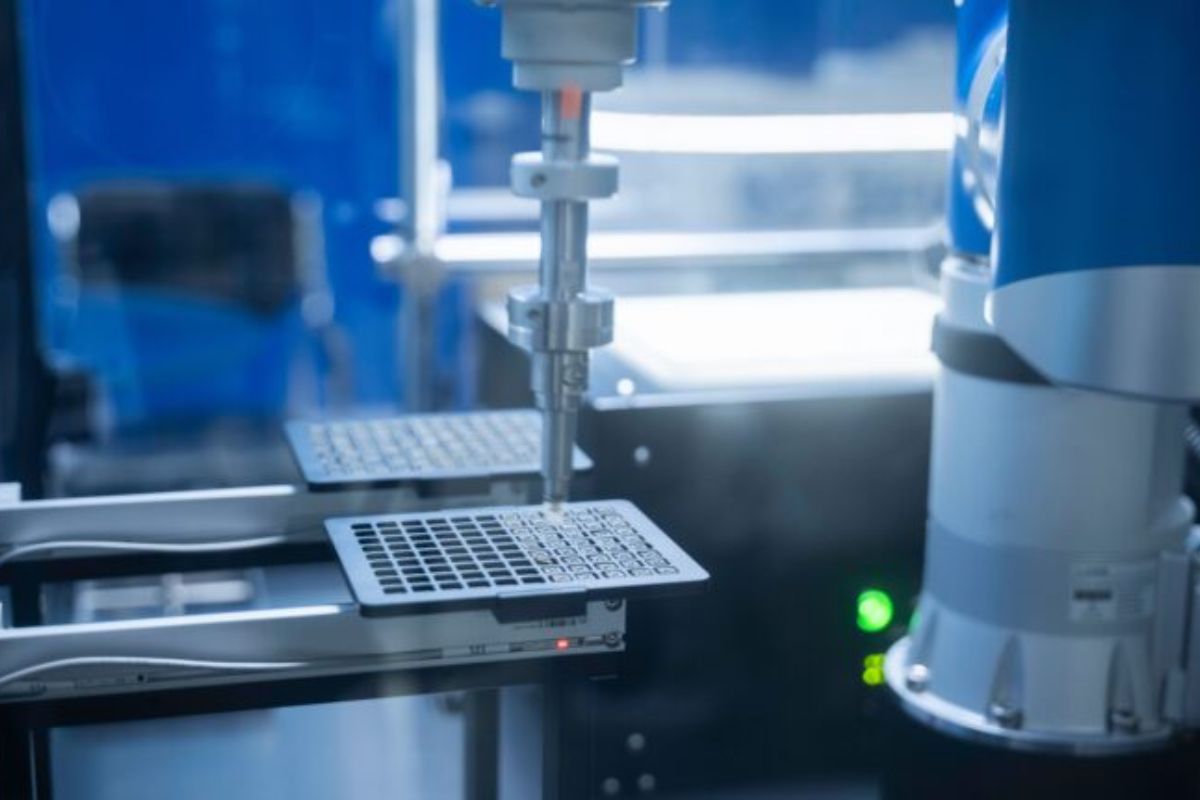
Modern semiconductor fabs rely on tightly controlled process conditions, where even small temperature variations can influence process consistency, equipment performance, and manufacturing yield. Effective thermal management is no longer limited to removing excess heat. It is an essential part of maintaining stable production environments throughout the wafer fabrication process.
Why Temperature Control Matters
Wafer fabrication involves a series of highly precise manufacturing steps, including deposition, lithography, etching, cleaning, chemical mechanical planarization (CMP), and testing. Each process depends on maintaining specific temperature ranges to achieve repeatable results.
Temperature fluctuations can affect chemical reaction rates, material deposition, wafer uniformity, and critical dimensions. Even slight variations may contribute to defects, lower yields, or inconsistent device performance. As semiconductor process nodes continue to advance, maintaining precise thermal stability becomes increasingly important.
Sources of Heat Within the Fab
Heat is generated throughout semiconductor manufacturing equipment. Plasma reactors, vacuum chambers, lasers, pumps, power supplies, and high-performance electronics all produce significant thermal loads during operation. These heat sources create several challenges, including:
- Maintaining stable process temperatures
- Protecting sensitive equipment
- Preventing thermal drift during production
- Reducing equipment downtime
- Supporting continuous, high-volume manufacturing
Addressing these challenges requires carefully engineered cooling systems that operate reliably over extended production cycles.
The Role of Advanced Thermal Fluids
Many wafer fabrication solutions rely on advanced thermal fluids to transfer heat efficiently while maintaining consistent operating conditions. Compared with conventional coolants, specialized thermal fluids provide several advantages for semiconductor manufacturing:
- Excellent thermal stability across a wide operating range
- High chemical inertness to reduce contamination risks
- Compatibility with sensitive materials and equipment
- Reliable long-term performance under continuous operation
- Dielectric properties for applications involving electronic components
These characteristics help maintain precise temperature control while supporting the demanding operating conditions found in semiconductor fabrication facilities.
Cooling Technologies Across the Manufacturing Process
Different manufacturing tools require different thermal management approaches. Closed-loop liquid cooling systems are commonly used to regulate temperatures in process equipment and vacuum systems. Chillers maintain stable coolant temperatures for deposition and etching tools, while specialized thermal fluids support precise temperature control during wafer testing and inspection. As equipment power densities continue to increase, advanced cooling technologies are becoming more important for maintaining both process stability and equipment reliability.
Selecting the Right Thermal Management Solution
Thermal performance depends on more than the cooling system itself. Selecting the appropriate thermal fluid requires evaluating operating temperature, viscosity, heat transfer characteristics, chemical compatibility, dielectric performance, and long-term stability. Because each wafer fabrication process has unique operating requirements, there is no single fluid that is suitable for every application. Engineers must balance thermal efficiency with equipment compatibility and process reliability to achieve optimal results.
Looking Ahead
The semiconductor industry continues to push toward smaller process nodes, greater wafer throughput, and increasingly sophisticated manufacturing equipment. As these demands grow, thermal management will remain a fundamental part of maintaining yield, protecting capital equipment, and supporting efficient production.
Advanced cooling technologies and high-performance thermal fluids are becoming key components of modern wafer fabrication facilities, helping manufacturers achieve the precision and consistency required for next-generation semiconductor devices.

Leave a Reply
You must be logged in to post a comment.