The Most Effective Strategies for Extending the Life of a Commercial Roof
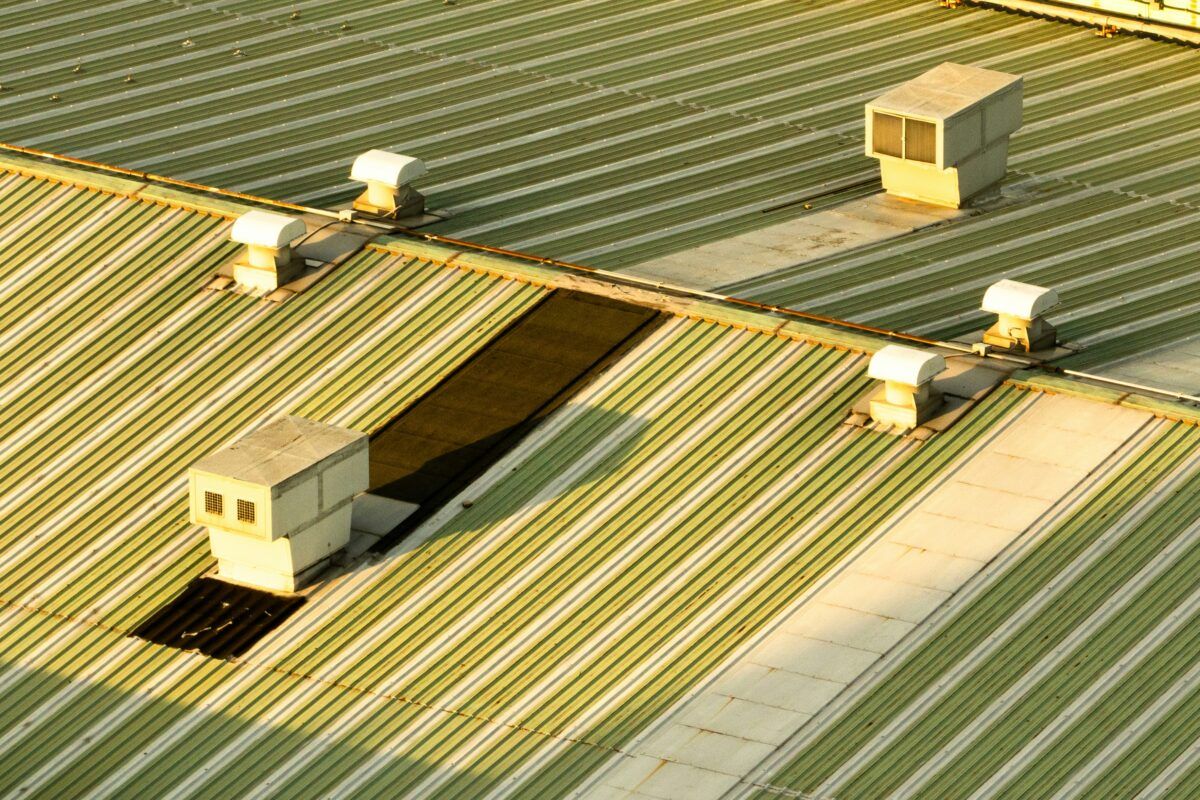
A commercial roof is one of the largest investments in any building. Whether it covers a warehouse, office complex, retail center, school, or manufacturing facility, its condition directly affects the property’s safety, operating costs, and long-term value. While every roofing system has an expected service life, many roofs fail earlier than necessary because routine maintenance is overlooked.
Extending the life of a commercial roof is less about reacting to leaks and more about preventing them. A proactive approach helps property owners reduce repair costs, avoid business disruptions, and get the maximum return on their roofing investment.
Schedule Regular Roof Inspections
Routine inspections are one of the most valuable tools for preserving a commercial roof. Many roofing problems begin as small defects that are difficult to spot without a trained eye. Loose flashing, damaged seams, punctures, or deteriorating sealants can all allow moisture to enter the roofing system long before a leak becomes visible inside the building. Professional inspections should be performed at least twice a year, typically in the spring and fall, as well as after severe storms or high-wind events.
Address Minor Repairs Quickly
Small roofing issues rarely remain isolated. Water naturally follows the path of least resistance, meaning a small membrane tear or damaged flashing can allow moisture to spread beneath the roofing system. Prompt commercial roof repair helps prevent damage from reaching insulation, roof decking, and interior building components. Early repairs are almost always less expensive than waiting until the damage becomes widespread.
Keep Roof Drainage Systems Clear
Standing water is one of the most common causes of premature roof deterioration, especially on flat and low-slope commercial roofs. When drains, scuppers, or gutters become clogged with leaves, dirt, or debris, water remains on the roof longer than intended. Proper drainage reduces stress on roofing materials and lowers the risk of leaks, membrane deterioration, and structural loading caused by excessive ponding water.
Limit Unnecessary Roof Traffic
Commercial roofs often serve as access points for HVAC technicians, electricians, and other contractors. Frequent foot traffic can damage roofing membranes, particularly if workers are unfamiliar with the roofing system. Designated walk pads and controlled access help minimize punctures, seam damage, and unnecessary wear. Property managers should also ensure that anyone accessing the roof follows appropriate procedures.
Maintain Rooftop Equipment
Many roof leaks develop around rooftop penetrations rather than across the field of the roof itself. HVAC units, vents, skylights, and exhaust systems all require properly sealed flashing and regular inspection. When rooftop equipment is serviced, the surrounding roofing materials should also be checked for signs of movement, deterioration, or accidental damage.
Develop a Preventative Maintenance Plan
Rather than waiting for problems to appear, many property owners benefit from a structured maintenance program. Preventative maintenance includes scheduled inspections, cleaning, documentation of roof conditions, and timely repairs based on the roof’s current condition. This approach allows facility managers to budget for maintenance, monitor roof performance over time, and make informed decisions before larger issues develop.
Work With an Experienced Roofing Partner
Every roofing system ages differently depending on the building’s design, climate, and daily use. TPO, EPDM, PVC, modified bitumen, metal, and built-up roofing systems each require maintenance practices that match their materials and installation methods. Working with an experienced commercial roofing contractor ensures that inspections, repairs, and long-term planning are based on the specific needs of the roof rather than a one-size-fits-all approach.
Protect Your Investment for the Long Term
A commercial roof should never be treated as a building component that only receives attention after a leak appears. Consistent inspections, prompt repairs, proper drainage, and preventative maintenance all contribute to a longer service life and lower ownership costs. Investing in professional commercial roofing services helps property owners protect their buildings, avoid unnecessary disruptions, and extend the lifespan of one of their most valuable assets.

Leave a Reply
You must be logged in to post a comment.