How Strategic Air Freight Forwarders Optimize Complex Global Supply Chains
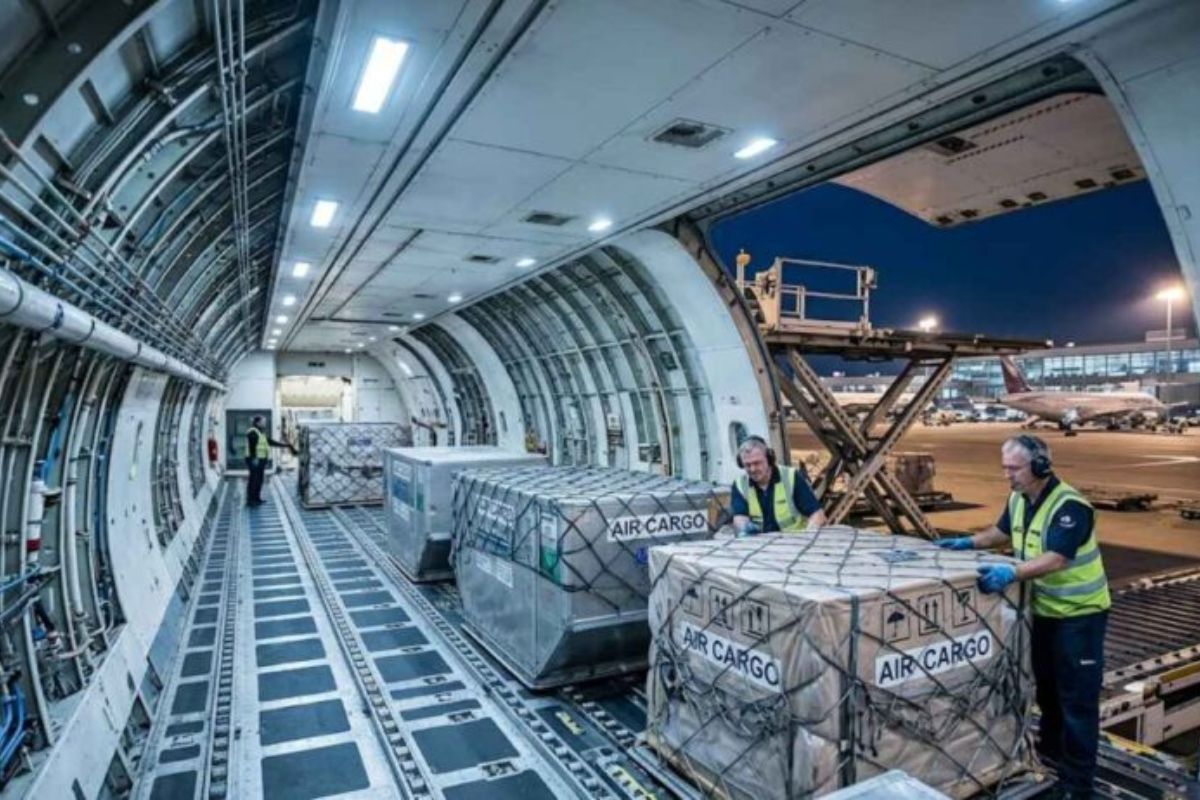
Modern business operations move at an exceptional pace, forcing contemporary enterprises to adapt swiftly or risk losing market relevance entirely. Consumers and corporate clients no longer tolerate waiting weeks for ocean liners to cross the sea; instead, they expect high-value products, critical components, and retail goods to arrive across vast continents in mere days or hours. This high-pressure economic reality transforms transit speed into the ultimate competitive edge for businesses worldwide.
Managing international logistics involves a chaotic web of complex challenges that can quickly overwhelm internal teams. Navigating erratic customs regulations, coordinating unpredictable flight schedules, and managing dense international documentation require specialized expertise. This is precisely where professional air freight forwarders become indispensable strategic partners, acting as logistics architects who design highly efficient routes, negotiate volatile carrier capacities, and secure premium cargo space to keep your business moving forward smoothly.
1. Defining the Strategic Role of Air Freight Forwarders
Many businesses mistake freight forwarders for standard international courier services, but their operational scale and underlying infrastructure are vastly different. Traditional couriers handle small, individual packages through highly standardized, proprietary networks that rely on their own vehicles and staff. In contrast, freight forwarders manage large-scale commercial shipments by utilizing diverse global networks of commercial passenger airlines and dedicated cargo carriers.
An air freight forwarder does not typically own the airplanes carrying the goods; instead, they function as highly specialized travel agents for commercial cargo. They leverage extensive industry relationships, historical volume data, and collective purchasing power to negotiate the best possible rates, secure guaranteed allocation space, and orchestrate the entire multi-modal logistics journey from the factory floor straight to the final destination.
The Mechanism of Consolidation
One of the most valuable financial strategies employed by forwarders to protect client budgets is freight consolidation. Shipping a small volume of goods independently via air cargo can be prohibitively expensive, as airlines charge premium rates for partially filled spaces. Forwarders solve this financial problem by combining smaller shipments from multiple independent clients into a single, massive consignment.
This combined cargo is meticulously packed into specialized aluminum containers known as Unit Load Devices, which are specifically shaped to fit the lower decks of wide-body aircraft. By consistently filling these large containers to maximum capacity, forwarders secure bulk-rate wholesale pricing from commercial airlines. They pass these substantial savings directly to their clients, making fast air transit financially accessible for small and mid-sized enterprises that would otherwise be priced out of the market.
Cross-Border Expertise and Compliance
Crossing international borders requires strict compliance with diverse, constantly shifting regulatory frameworks that vary by country, commodity, and political climate. A single documentation error, a misplaced tariff code, or an incomplete declaration form can lead to extended customs delays, expensive port storage fees, or devastating cargo seizures.
Experienced air forwarders possess deep, updated knowledge of international trade laws, localized tariff structures, and specific import restrictions. They manage every crucial document, including commercial invoices, detailed packing lists, certificates of origin, and the vital Air Waybill. By handling these administrative complexities with precision, they ensure your goods clear customs checkpoints smoothly without unexpected expenses or timeline disruptions.
2. Core Operational Services Provided by Forwarding Partners
Partnering with an established air freight forwarder unlocks a broad suite of end-to-end logistics solutions designed to minimize friction. They proactively manage every single stage of the supply chain journey, ensuring total visibility, environmental control, and physical security for your high-value inventory.
Comprehensive Documentation Management
The paperwork required for global trade is extensive, legally binding, and requires absolute precision. The Air Waybill serves as the definitive contract between the original shipper and the airline carrier, outlining the strict terms of carriage, liability limits, and tracking routing details. Forwarders take full responsibility for issuing, verifying, and filing this document alongside specialized consular invoices, export licenses, and toxic substance control declarations. This meticulous attention to administrative detail minimizes legal and compliance risks before the aircraft ever leaves the ground.
Warehousing, Packaging, and Distribution
Air cargo demands specific packing standards to maximize volumetric space efficiency and guarantee structural safety during high-altitude flights. Forwarders operate secure warehouse networks near major airport hubs where they inspect, palletize, shrink-wrap, and label your goods for optimal handling.
For specialized cargo, they offer highly tailored technical solutions:
- Temperature-Controlled Environments: Essential for preserving cold-chain integrity for pharmaceuticals, biologics, and perishable foods.
- Hazardous Materials Handling: Specialized packing and labeling that complies fully with rigorous International Air Transport Association regulations for industrial chemicals and lithium batteries.
- High-Security Vaults: Dedicated, monitored storage areas designed specifically for luxury goods, aerospace components, and high-end electronics.
Real-Time Tracking and Supply Chain Visibility
Modern logistics relies heavily on data transparency, as blind spots in a supply chain can cause severe downstream delays. Leading forwarders provide advanced digital platforms that offer granular, real-time tracking of your shipments throughout their transit. You can monitor milestone updates, track exact flight statuses, and receive instant automated notifications regarding customs clearance progression. This level of visibility allows your corporate inventory managers to manage warehousing levels accurately and provide precise delivery timelines to your final customers.
3. Financial and Operational Benefits of Air Cargo Logistics
While air shipping requires a higher initial capital investment than ocean or overland transport, it provides substantial operational advantages that easily justify the upfront costs.
| Metric / Feature | Ocean Freight Logistics | Air Freight Forwarding |
| Transit Speed | 20 to 45 Days | 1 to 5 Days |
| Insurance Premium Cost | Higher (Due to prolonged exposure risk) | Lower (Due to short transit times) |
| Inventory Holding Costs | High (Capital tied up in transit) | Low (Rapid inventory turnover) |
| Risk of Theft or Damage | Moderate | Minimal |
Drastic Reduction in Lead Times
The primary benefit of air cargo is the undeniable reduction in transit time compared to surface transportation. Shipments that take over a month on an ocean vessel reach their destination across the globe in just a few days when managed by air experts. This rapid transit allows companies to launch products ahead of competitors, restock popular items quickly during peak demand spikes, and respond immediately to sudden market shifts without maintaining bloated safety stocks.
Reduced Inventory Holding Costs
When goods spend weeks sitting on maritime vessels, your capital remains locked in transit, restricting your business flexibility. Utilizing fast air transit allows businesses to adopt highly efficient just-in-time inventory management models. By ordering smaller, frequent batches that arrive quickly, you reduce warehouse storage footprints, minimize the financial risk of product obsolescence, and significantly improve your company’s overall cash flow dynamics.
Enhanced Security and Lower Insurance Rates
Airports maintain exceptionally strict, militarized security protocols at cargo terminals, which drastically reduces the risk of pilferage, cargo theft, and unauthorized tampering. Furthermore, the brief duration of air transit minimizes the physical shocks, moisture exposure, and handling mishaps that cause cargo damage. Because insurance companies recognize these reduced operational risks, they offer significantly lower premiums for air cargo compared to maritime shipments, providing clear cost savings that offset higher freight rates.
4. How to Choose the Ideal Air Freight Forwarding Partner
Selecting a logistics provider is a critical business decision that directly impacts your customer satisfaction scores, operational sanity, and bottom line. You should carefully evaluate potential partners using several key criteria before signing long-term service agreements.
Industry-Specific Experience
Different industries have completely unique logistical requirements and regulatory hurdles. A forwarder who excels at shipping heavy, durable automotive components may lack the specialized expertise, cold-chain infrastructure, and certifications needed to handle temperature-sensitive biopharmaceuticals or fast-moving fashion lines. Look for a partner who demonstrates a proven track record, specific case studies, and compliance certifications within your specific industry vertical.
Network Reach and Carrier Relationships
A forwarder’s actual capability depends heavily on the geographic reach and depth of their partner network. Ensure your chosen provider maintains strong, established core-carrier relationships with major global airlines and regional ground transportation fleets. A broad, diversified network ensures your company can secure space and avoid delays even during peak shipping seasons, such as the intense holiday rush or global capacity shortages.
Technological Capabilities
Avoid logistics providers who rely on manual, outdated spreadsheet processes and slow email communication updates. Choose a forwarder who invests heavily in modern logistics technology, including online booking engines, automated documentation tracking, and transparent customer dashboards. Digital efficiency reduces human errors, streamlines communication, and saves your internal logistics team valuable administrative time every single day.
Conclusion: Driving Growth Through Strategic Air Logistics
In an era defined by rapid market shifts, brittle supply chains, and high customer expectations, a resilient logistics strategy is vital for business survival. Air freight forwarders provide the speed, regulatory reliability, and global expertise needed to turn complex logistical challenges into distinct competitive advantages.
By streamlining customs compliance, reducing transit times, and protecting high-value cargo, these specialists empower your business to expand confidently into international markets. The right forwarding partner does far more than move boxes from airport to airport; they optimize your entire operational workflow and help accelerate your long-term business growth.

Leave a Reply
You must be logged in to post a comment.