Sports Injury Braces – Complete Guide to Protection, Recovery, and Performance
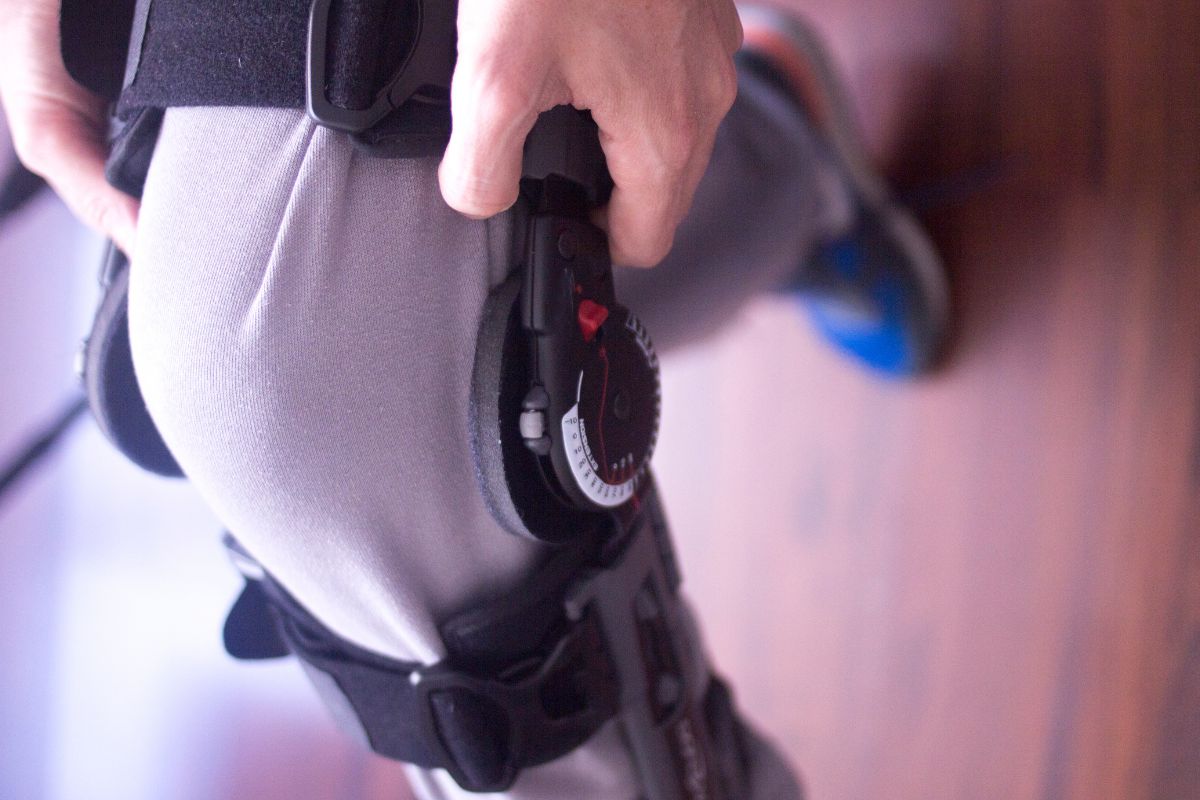
Whether you’re a professional athlete, a weekend runner, or someone who enjoys recreational sports, injuries can happen unexpectedly. Sprains, ligament tears, joint instability, and muscle strains are common among active individuals. Fortunately, sports injury braces provide targeted support that helps protect vulnerable joints, reduce pain, and promote faster recovery.
From preventing injuries during training to assisting rehabilitation after surgery, sports braces have become an essential part of modern sports medicine. In this guide, you’ll learn everything you need to know about sports injury braces, including their benefits, types, uses, and tips for choosing the right one.
What Are Sports Injury Braces?
Sports injury braces are orthopedic support devices designed to stabilize joints, protect injured tissues, and reduce excessive movement during physical activity. They are commonly worn on the knees, ankles, wrists, elbows, shoulders, and back. Depending on the injury, a brace may:
- Limit harmful joint movement
- Improve stability
- Reduce stress on ligaments
- Support muscles during recovery
- Minimize swelling and discomfort
- Help athletes return to activity safely
These braces are widely used by athletes across sports such as football, basketball, soccer, tennis, volleyball, cricket, running, hiking, cycling, and weightlifting.
Why Are Sports Injury Braces Important?
Sports place repeated stress on muscles and joints. Even minor instability can increase the risk of serious injuries. Sports injury braces help by:
- Preventing excessive joint movement
- Protecting healing ligaments
- Reducing the chance of re-injury
- Improving confidence during movement
- Supporting rehabilitation exercises
- Allowing safer participation in sports
Many athletes continue wearing braces even after full recovery to reduce future injury risk.
Common Sports Injuries That May Require Braces
Sports braces are commonly recommended for:
- ACL injuries
- MCL injuries
- PCL injuries
- Meniscus tears
- Patellar instability
- Knee arthritis
- Ankle sprains
- Achilles tendon injuries
Tennis elbow
- Golfer’s elbow
- Wrist sprains
- Thumb ligament injuries
- Shoulder instability
- Rotator cuff injuries
Types of Sports Injury Braces
1. Knee Braces
Knee braces are among the most commonly used sports braces. They help with:
- ACL recovery
- MCL injuries
- Meniscus tears
- Patellar tracking issues
- Osteoarthritis
- Knee instability
Popular options include:
- Hinged knee braces
- Compression knee sleeves
- Functional knee braces
- Unloader knee braces
- Post-operative knee braces
2. Ankle Braces
Ankle braces provide support after sprains and chronic ankle instability. Benefits include:
- Reduced ankle rolling
- Better balance
- Faster recovery
- Improved confidence during running and jumping
3. Wrist Braces
Ideal for:
- Wrist sprains
- Tendon injuries
- Weightlifting support
- Gym workouts
- Racquet sports
4. Elbow Braces
Often used for:
- Tennis elbow
- Golfer’s elbow
- Tendon inflammation
- Overuse injuries
Compression straps help reduce tendon stress during activity.
5. Shoulder Braces
Shoulder braces support:
- Rotator cuff injuries
- Shoulder dislocations
- Shoulder instability
- Post-surgical rehabilitation
6. Back Braces
Useful for athletes experiencing:
- Lower back strain
- Muscle fatigue
- Poor posture
- Lumbar instability
Benefits of Sports Injury Braces
1. Improved Joint Stability
Braces keep joints aligned during movement and reduce excessive motion.
2. Faster Recovery
By protecting injured tissues, braces allow the body to heal more efficiently.
3. Pain Reduction
Support reduces stress on injured structures, decreasing discomfort during daily activities and exercise.
4. Injury Prevention
Athletes with previous injuries often wear braces to prevent recurrence.
5. Enhanced Athletic Confidence
Knowing that a vulnerable joint is supported allows athletes to move more naturally and confidently.
6. Better Performance During Rehabilitation
Many rehabilitation programs include braces to allow controlled movement while protecting healing tissues.
Who Should Wear Sports Injury Braces?
Sports braces are suitable for:
- Professional athletes
- Amateur athletes
- Gym enthusiasts
- Runners
- Cyclists
- Hikers
- Football players
- Basketball players
- Tennis players
- Volleyball players
- CrossFit athletes
- Weightlifters
- Individuals recovering from surgery
- Anyone with joint instability
How to Choose the Right Sports Injury Brace
When selecting a brace, consider:
Injury Type
Choose a brace specifically designed for your injury.
Support Level
Options include:
- Light support
- Moderate support
- Maximum stabilization
Comfort
Look for:
- Breathable fabric
- Lightweight construction
- Adjustable straps
- Moisture-wicking materials
Proper Fit
A poorly fitted brace may slip, restrict circulation, or fail to provide adequate support. Always follow the manufacturer’s sizing chart.
Activity Level
Running, football, basketball, hiking, and weightlifting each place different demands on your joints. Choose a brace designed for your sport.
Can Sports Injury Braces Prevent Injuries?
While no brace can completely eliminate injury risk, they significantly reduce the likelihood of injuries by:
- Supporting weak joints
- Limiting dangerous movements
- Improving joint alignment
- Enhancing proprioception (body awareness)
- Providing external stability
Braces work best when combined with:
- Proper warm-ups
- Strength training
- Flexibility exercises
- Correct technique
- Adequate recovery
How Long Should You Wear a Sports Injury Brace?
The duration depends on:
- Injury severity
- Recovery stage
- Doctor’s recommendations
- Type of sport
Some athletes wear braces only during activity, while others may need continuous support throughout rehabilitation.
Caring for Your Sports Injury Brace
To extend its lifespan:
- Wash according to manufacturer instructions.
- Air dry completely.
- Keep straps clean.
- Inspect hinges regularly.
- Replace worn-out components if applicable.
- Store in a cool, dry place.
Signs You May Need a New Brace
Consider replacing your brace if:
- Elasticity has worn out.
- Hinges become loose.
- Straps no longer secure properly.
- Material begins tearing.
- The brace no longer provides adequate support.
Frequently Asked Questions (FAQs)
1. Do sports injury braces really work?
Yes. They help stabilize joints, reduce pain, protect healing tissues, and lower the risk of re-injury when used correctly.
2. Can I wear a sports brace every day?
Many braces are designed for daily use, but long-term wear should follow your healthcare provider’s advice.
3. Should I wear a brace while exercising?
If you have a previous injury, joint instability, or are recovering from surgery, wearing a brace during exercise can provide added support.
4. Can sports braces improve athletic performance?
Braces primarily improve stability and confidence rather than directly increasing strength or speed.
5. Are compression sleeves the same as braces?
No. Compression sleeves mainly provide mild support and improve circulation, while braces offer greater stability and protection.
6. Can I wash my sports brace?
Yes. Most braces are washable. Follow the care instructions provided by the manufacturer.
Conclusion
Sports injury braces are valuable tools for injury prevention, recovery, and long-term joint health. Whether you’re recovering from an ACL tear, managing an ankle sprain, or simply looking to reduce your risk of injury during training, the right brace can provide the stability and confidence needed to stay active.
Choosing the correct brace based on your injury, activity level, and support requirements is essential for achieving the best results. Combined with proper rehabilitation, strength training, and good technique, sports injury braces can help you return to the activities you enjoy while protecting your joints for the future.

Leave a Reply
You must be logged in to post a comment.