The Hidden Cost of Underestimating Security Risk
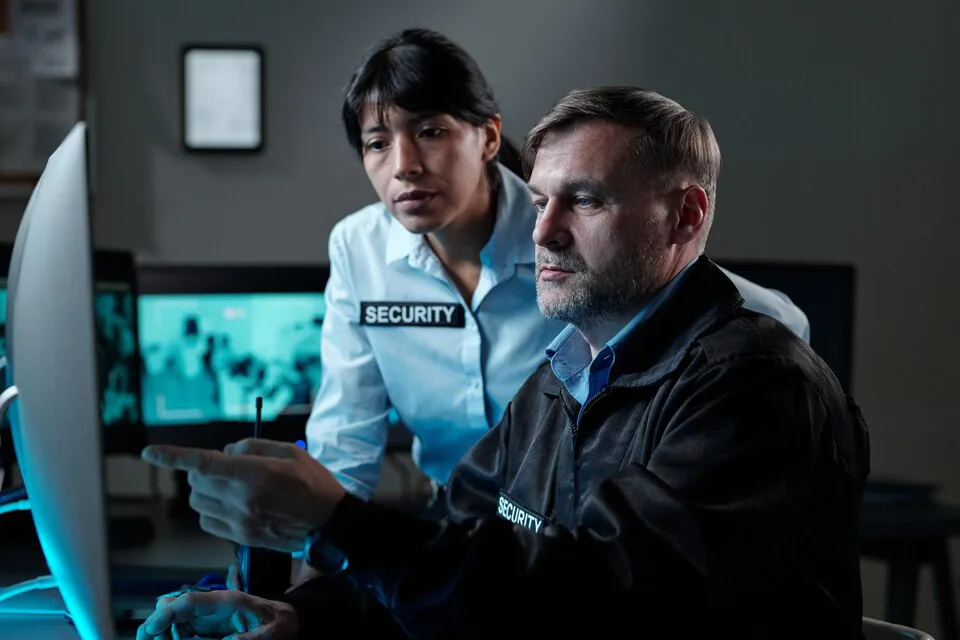
That is understandable. When a building is quiet, an event runs smoothly, or a business gets through the week without trouble, it is easy to assume everything is fine. But in my experience, security problems usually do not show up out of nowhere. There are often small warning signs first. A side door was left open. Poor lighting in a parking lot. Staff are unsure what to do when someone becomes aggressive. A busy event with no clear entry control. A workplace where everyone assumes “someone else is watching.”
The hidden cost of underestimating security risk is that small gaps can turn into expensive, stressful, and sometimes dangerous problems.
Security Risk Is Often Easy to Miss
One thing I have noticed is that people often connect security only with major threats. They picture break-ins, fights, theft, or emergencies. Those things can happen, of course, but many security risks start in much quieter ways.
For example:
- A retail store may lose money through repeat shoplifting before anyone realizes there is a pattern.
- An apartment building may have residents complaining about strangers entering through unlocked doors.
- A school may have visitors walking in without a clear check-in process.
- A healthcare facility may have tense moments when patients, families, or staff are under stress.
- An event may feel safe at first, then become difficult to manage once the crowd grows.
- None of these situations always look dramatic at the beginning. That is why they get ignored.
The Cost Is Not Always Just Money
When people talk about risk, they often think about repair costs, stolen property, or insurance claims. Those matter, but they are not the only costs.
There is also the cost of lost trust.
If customers feel unsafe in a parking lot, they may not come back. If tenants feel ignored, they may leave bad reviews or move out. If employees feel uncomfortable closing alone at night, morale drops. If parents feel a school is not taking safety seriously, concern spreads fast.
A security issue can affect reputation long after the actual incident is over.
That is one of the biggest things people underestimate. The event may last ten minutes, but the damage to confidence can stick around for months.
“We’ve Never Had a Problem” Is Not a Plan
I hear this kind of thinking a lot: “Nothing has happened before, so we’re probably fine.”
That sounds reasonable, but it can be risky. The fact that nothing has happened yet does not mean the setup is strong. Sometimes it just means the weakness has not been tested.
A better question is: “If something did happen, would we be ready?”
That includes simple things like:
- Do staff know who to call?
- Are entrances monitored?
- Are visitors checked in properly?
- Is there a plan for closing time?
- Are cameras, lights, and locks actually working?
- Would someone notice unusual behavior early?
Good security services are not just about reacting after something happens. They are also about spotting problems before they grow.
Small Security Gaps Can Snowball
A small issue can become a bigger one when nobody owns it.
One unlocked door can lead to repeated unwanted access. One poorly planned event entrance can lead to crowd confusion. One ignored complaint can turn into a serious tenant or employee concern.
I once heard someone describe security as “boring when it works.” That stuck with me because it is true. The best safety planning often looks uneventful from the outside. People enter calmly. Staff know what to do. Problems are handled quietly. Nothing becomes a scene.
But when planning is missing, the opposite happens. Everyone reacts late. People panic. Staff guess. Managers scramble. That is when costs rise quickly.
Not Every Situation Needs the Same Type of Security
Another mistake is assuming security is one-size-fits-all.
A small office does not have the same needs as a concert venue. A school does not have the same concerns as a warehouse. A healthcare setting does not feel like a retail store. Residential properties, construction sites, churches, and corporate buildings all have different risks.
In some cases, a visible presence is enough to discourage problems. In others, access control, patrols, visitor screening, or after-hours coverage may matter more.
There are also situations where armed security may be considered, especially when the risk level, property type, or operating environment calls for a stronger visible presence. That decision should never be casual. It should be based on real risk, local rules, and the comfort and safety of the people on-site.
The Human Side Matters
Security is not just about uniforms, cameras, or locked doors. A lot depends on judgment.
A good security presence can help people feel calm instead of watched. That difference matters. The goal should be to support safety without making a place feel tense or unwelcoming.
This is especially important in schools, healthcare facilities, residential buildings, and community events. People want to feel protected, not treated like a problem.
That is why training and communication matter so much. Security personnel often need to read situations, speak respectfully, calm people down, and know when to step back or call for help.
Waiting Until After an Incident Costs More
It is usually cheaper and easier to fix weak points before something happens.
Once an incident occurs, the costs can pile up quickly:
- Property repairs
- Emergency staffing
- Lost business
- Bad reviews
- Insurance issues
- Legal concerns
- Employee turnover
- Public embarrassment
- Stress for everyone involved
Even if the situation is handled, people may still ask, “Why wasn’t this prevented?”
That question is hard to answer after the fact.
A Simple Way to Think About Security Risk
You do not need to be paranoid to take security seriously. A practical way to start is to walk through a normal day and ask:
- Where do people enter?
- Where could someone slip in unnoticed?
- When is the property most vulnerable?
- Who is responsible if something feels off?
- What happens after dark?
- Are staff comfortable reporting concerns?
- Are there repeat issues everyone has gotten used to?
That last question is important. Sometimes the biggest risks are the ones people normalize.
Final Thoughts
Underestimating security risk does not always lead to a major crisis, but it often creates avoidable stress. Small gaps can cost money, trust, time, and peace of mind.
The good news is that most risks become easier to manage once people take an honest look at them. A little planning, clearer procedures, and the right level of support can make a big difference.
Security is not about expecting the worst every day. It is about being prepared enough that small problems stay small.
Summary
Most people do not think much about security until something goes wrong.
Source
advancedguards

Leave a Reply
You must be logged in to post a comment.