Why Preventive Roof Maintenance Is the Best Investment for Businesses
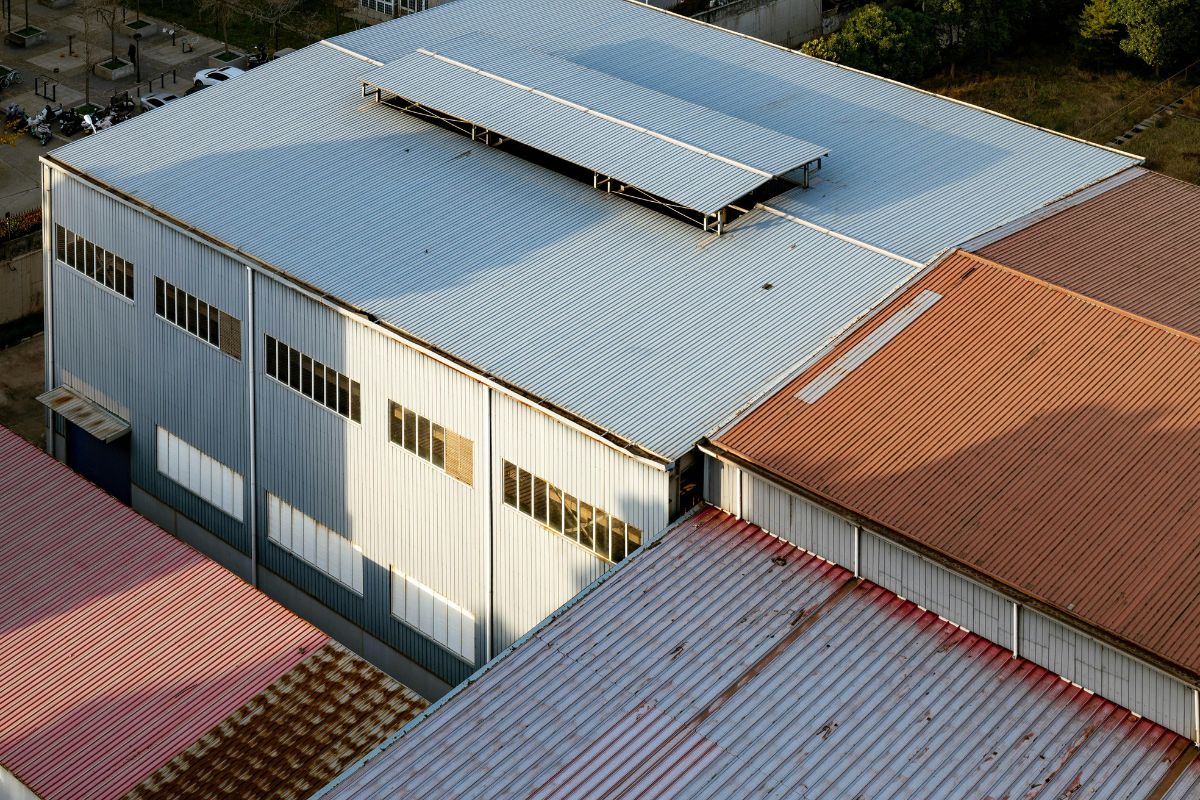
For many commercial property owners, the roof is easy to overlook until a leak disrupts operations or a major repair becomes unavoidable. By the time visible damage appears inside the building, the roofing system may have been deteriorating for months or even years. Preventive roof maintenance is designed to identify and address small issues before they become expensive problems. Rather than reacting to emergencies, businesses can take a proactive approach that helps protect their buildings, extend roof life, and reduce long-term ownership costs.
Small Problems Rarely Stay Small
Commercial roofs are exposed to constant stress from weather, temperature changes, ultraviolet radiation, standing water, and foot traffic from maintenance personnel. Over time, these conditions can cause seams to separate, flashing to loosen, drains to clog, and roofing membranes to wear down.
A minor puncture or small area of membrane damage may not seem urgent, but water can gradually penetrate the roofing system and affect insulation, decking, and even interior finishes. Moisture intrusion may also lead to mold growth, damaged equipment, and disruptions to daily business operations. Routine maintenance helps identify these issues while repairs are still relatively simple and affordable.
Extending the Life of Your Roof
Replacing a commercial roof represents a significant capital expense. One of the most effective ways to maximize that investment is by maintaining the roof throughout its service life. Regular inspections and scheduled maintenance can help preserve many common roofing systems, including TPO, EPDM, PVC, metal roofing, modified bitumen, built-up roofing, and other flat roof assemblies. Addressing minor wear before it accelerates can delay the need for a full commercial roof replacement, allowing building owners to get the maximum value from their existing roofing system.
Reducing Unexpected Repair Costs
Emergency roof repairs often occur at the worst possible time, during heavy rain, severe weather, or peak business operations. In addition to repair costs, property owners may also face damaged inventory, interrupted production, or temporary building closures. A preventive maintenance program helps reduce these surprises by identifying developing problems before they become emergencies.
Scheduled inspections also make it easier to budget for future repairs instead of dealing with unexpected expenses. For facility managers responsible for multiple buildings, this predictability can simplify maintenance planning and improve long-term budgeting.
Supporting Warranty Requirements
Many commercial roofing manufacturers recommend or require periodic inspections and maintenance to keep warranty coverage in effect. Neglecting routine maintenance could make it more difficult to pursue warranty claims if problems develop later. Maintaining inspection records, repair documentation, and maintenance reports also creates a valuable history of the roof’s condition over time. These records can assist with warranty discussions, future repairs, and long-term capital planning.
What Preventive Maintenance Typically Includes
A comprehensive maintenance visit often includes:
- Inspecting roofing membranes for damage or deterioration
- Examining flashing, seams, and roof penetrations
- Clearing drains, gutters, and scuppers
- Checking for standing water and drainage issues
- Identifying loose materials or damaged sealants
- Documenting areas that may require future attention
The exact scope depends on the roofing system, the age of the roof, and the building’s operating environment.
A Practical Long-Term Strategy
Preventive maintenance is not simply about avoiding leaks. It is a long-term strategy for protecting one of a commercial property’s most valuable assets. Regular inspections and timely repairs help extend roof performance, reduce unexpected costs, and minimize disruptions to business operations.
Working with an experienced commercial roofing contractor for ongoing commercial roofing services allows property owners and facility managers to identify issues early, plan maintenance effectively, and make informed decisions about future commercial roof repair or replacement needs. A proactive approach today can help prevent far more costly roofing problems in the years ahead.

Leave a Reply
You must be logged in to post a comment.