Is Taking Out a Quick Loans for Groceries a Wise Move?
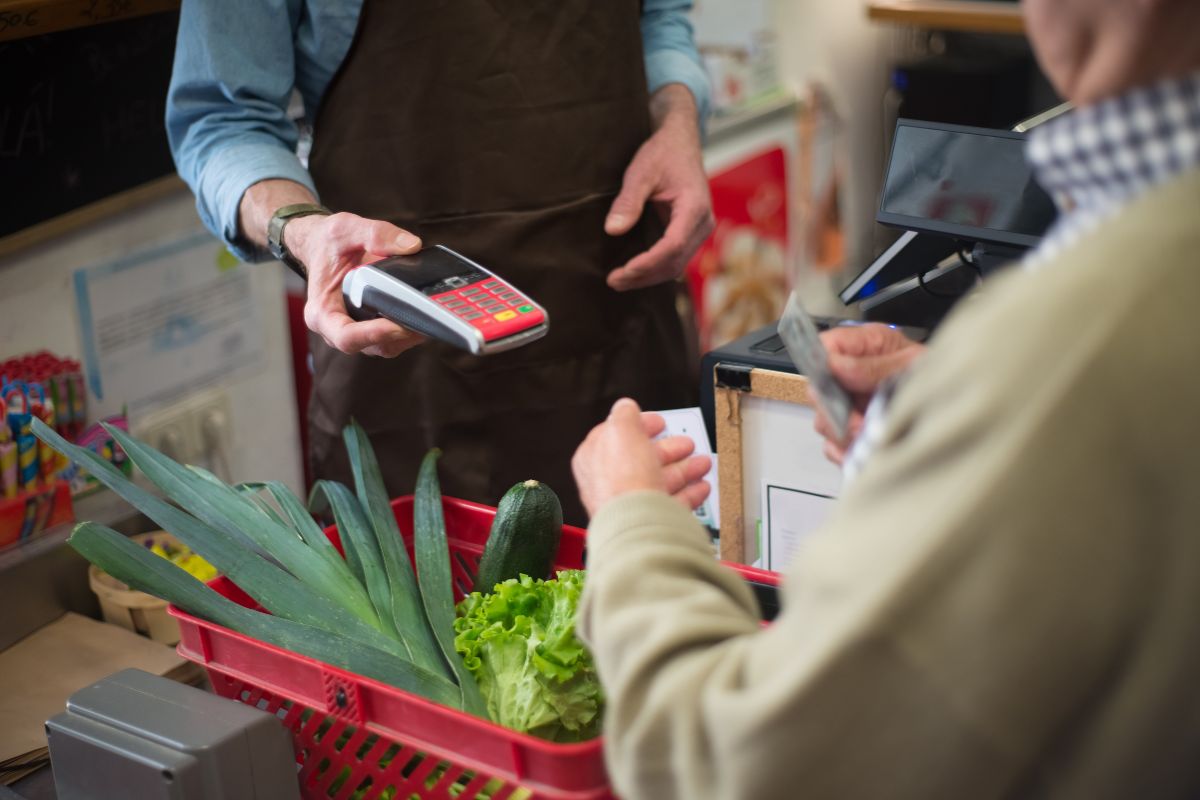
No, taking out a quick loan for groceries is not a wise move because groceries are recurring expenses, and funding them with short-term, high-cost debt increases the risk of snowballing debt. The APR of these loans can reach up to 1500%.
What are Quick Loans?
Quick loans are small loans that have been designed to help fund emergencies or unexpected expenses. The maximum loan amount they can offer is up to £1,000. They are also known as 1000-pound loans. It is not necessary that you will always get approval for up to £1,000. Some lenders cap them at £700, as these loans come with very high interest rates, and many people find it harder to manage payments as they are to be repaid in one fell swoop.
Why should you not use quick loans to purchase groceries?
Quick loans have been designed to fund small unexpected expenses such as a car repair, medical emergency, and other one-off costs. Groceries are recurring expenses. You will need money to purchase them every month. Even if you are on a low income, experts advise against using instant loans to fund recurring expenses like rent and groceries. The following are the reasons why it is a bad idea to fund groceries with instant cash loans:
1. Extremely expensive
When you buy groceries through these loans, you have to pay interest and fees. For instance, if you decide to borrow £100, on which you have to pay flat interest of £15 for the whole repayment period, the actual cost of food will be £115.
2. The cycle of debt
It is worth noting that the repayment term of these loans is extremely short. They are normally due on your next payday. When you settle the whole debt, you will find yourself with even less cash for the next month’s groceries. This will force you to take out another loan, and this cycle of borrowing will never cease. For instance, imagine your monthly salary is £300 and total monthly expenses on average are £280, which includes grocery bills of £100. This leaves you with savings of only £20. But this month you found that your grocery bills slightly increased to £200 as the prices of some items have risen.
You decide to borrow £100 to fund the additional cost at 0.8% interest per day and 1200% APR, to be paid back in 14 days. The total amount you will pay back is £111.2. Once you settle the debt, you will be short of even more cash because of the interest payment. Grocery bills next month will be as high as this month, but your pocket would not even allow you to meet at least £100 outright. As a result, you will be tempted to borrow even more money.
3. Credit damage
If you miss a repayment, late payment fees and interest penalties will be charged. Your lender will roll over the debt. If you roll it over for 30 days, one-time late payment fees are £15 and interest on fees is £3.6; the total cost of the debt will be £153.8, which will add up to £181.4 if you roll it over for 60 days. You will find yourself paying double the borrowed sum.
It will be extremely difficult to get out of debt. Late payments and missed payments will be reported on your credit file. They will badly damage your credit rating. It is vital to note that a registered lender cannot charge you more than twice the borrowed amount. As soon as the total cost of the debt reaches £200, in this example, it will be capped.
What to do if you have little money to purchase groceries?
If you are running out of cash to buy groceries, you should consider the following alternatives.
1. Food banks
Even if you are not unemployed or receiving any kind of benefits, you can access emergency food from a local food bank. They provide non-perishable food sufficient for three days to anybody who is struggling with financial hardships. It depends on your local food bank whether they allow a walk-in or require a voucher. If you are allergic to certain types of food, you can inform them, so they will accommodate food supplies to your dietary requirements.
2. Crisis and Resilience Fund
This support is available in England. Those living in Scotland and Wales will be receiving support from similar government programmes called the Scottish Welfare Fund and the Discretionary Assistance Fund. If the cost of living is biting you, you are eligible to seek support from these programmes. You can use it to cover the cost of food and other essentials like energy and water bills. You do not have to be receiving benefits to be eligible for this support.
3. NHS Healthy Start Scheme
If you qualify for this scheme, you will be given a Healthy Start card with some money on it. You can use this card in some supermarkets to access healthy food and milk. Money will be added to the card every four weeks. You can purchase frozen, tinned and fresh fruit and vegetables and pulses. Additionally, this money can be utilised to purchase infant formula milk, vitamins to support your pregnancy and vitamin drops for your babies. In order to be eligible for this scheme:
- You must be more than 10 weeks pregnant.
- Your take-home monthly pay is less than £408.
- You are on Universal Credit.
If you live in Scotland, you will get help from a similar scheme called Best Start Foods.
4. Make small changes for big impact
Try to avoid expensive restaurant meals and takeaways until your situation improves. Turn your leftovers into a creative recipe to reduce waste and stretch your budget a little longer. Try to invent a recipe from the available ingredients instead of rushing to supermarkets.
The final word
Quick loans should not be used to purchase groceries as they are not meant to fund recurring expenses. You should rather use alternatives like local food banks and government schemes. Change your cooking habits as well.
Summary
Quick loans have been designed to fund one-off costs, not recurring expenses such as groceries. You can fall into a debt trap if you use them for groceries.
Source
original

Leave a Reply
You must be logged in to post a comment.