What Is PE Protective Film? A Complete Guide for Construction, Manufacturing, and Home Renovation
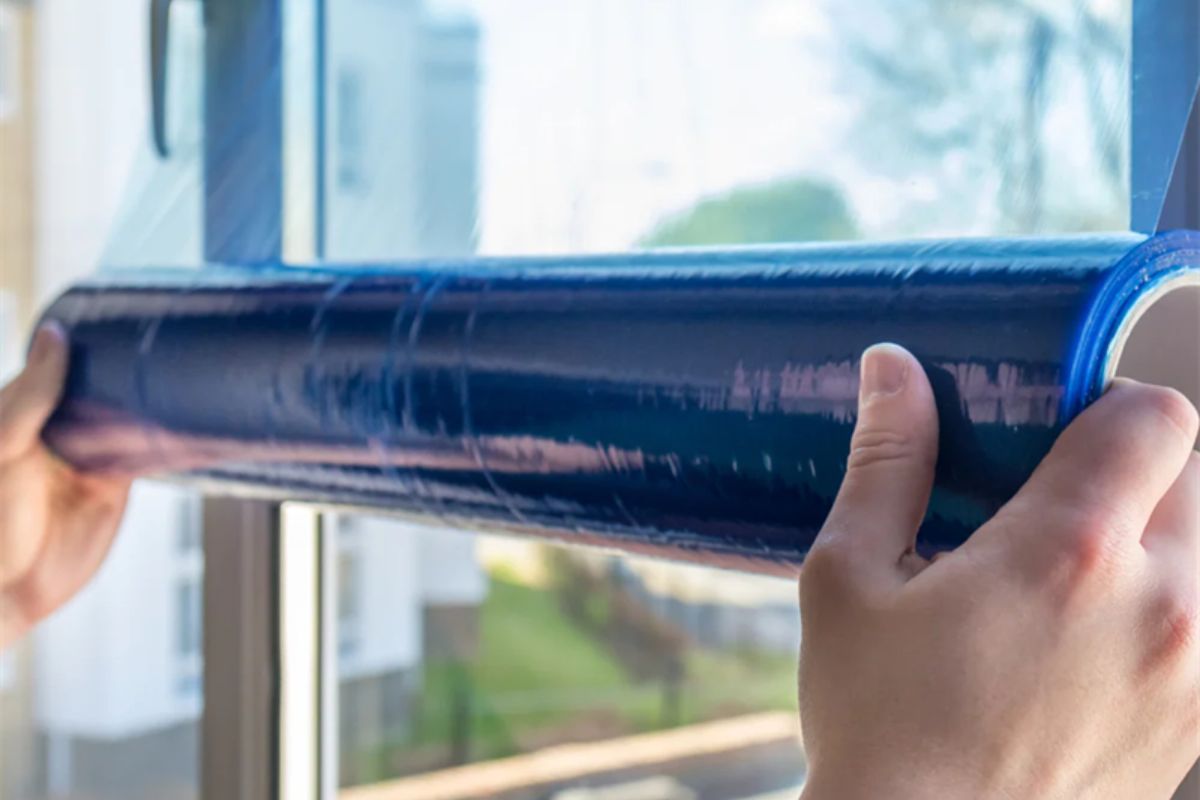
PE protective film has become an essential material across construction, manufacturing, logistics, renovation, and consumer appliance industries. As global demand for high-precision surfaces and clean manufacturing environments continues to rise, protective films play a more important role in preventing scratches, dust contamination, and handling damage.
This article provides a comprehensive, industry-level overview of PE protective film: what it is, how it works, where it is used, how to choose the correct type, and what performance standards matter most in real-world applications.
What Is PE Protective Film?
PE protective film is a polyethylene-based surface protection material designed to shield a product from scratches, dust, dirt, paint, impact, and environmental exposure during production, storage, and transportation.
Most PE protective films use LDPE, LLDPE, or a blend that balances flexibility and tensile strength.
To adhere to surfaces, manufacturers apply one of the following adhesive systems:
- Acrylic adhesive – stable, residue-free, works for smooth surfaces such as glass or stainless steel.
- Rubber adhesive – stronger tack, suitable for textured or uneven surfaces.
- Solvent-free adhesive – for eco-friendly applications or EU-regulated markets.
A well-formulated PE film must adhere securely yet remove cleanly without leaving glue or damaging the surface.
Why PE Protective Film Is Increasing in Global Demand
Industry data shows that the surface protection film market is growing at over 6% CAGR globally, driven by:
- Rising demand for high-value surfaces like stainless steel, coated aluminum, marble, laminated glass
- Increasing construction and renovation activity
- Growth in appliance manufacturing
- More stringent quality control in exported goods
- Higher expectations for product appearance
Modern customers expect products — from doors and windows to flooring and electronics — to arrive flawless. Even minor marks or scratches can cause returns, production delays, and financial losses.
This is why PE protective film is now standard across manufacturing supply chains.
Key Applications of PE Protective Film
otective film is used by almost every industry dealing with delicate surfaces. Its application range is extremely broad:
1. Glass Protection
Used for:
- Window glass
- Tempered glass
- Mirrors
- Glass panels in appliances
- Solar panel glass
The film prevents scratches and dust during transportation and installation.
2. Stainless Steel Protection
Applied to:
- Kitchen appliances
- Elevator panels
- Decorative stainless steel sheets
- Industrial steel plates
- Architectural decorative surfaces
A good film must resist puncture and stretching to prevent dents and handling marks.
3. Aluminum Profile Protection
Widely used in:
- Doors and windows
- Curtain walls
- Construction profiles
- Automotive parts
Films must withstand bending without falling off.
4. Marble & Stone Protection
Used by renovation companies to protect:
- Marble countertops
- Tiles & flooring
- Polished stone surfaces
Protects from paint, impact, cement dust, and chemical staining.
5. Carpet & Floor Protection
Contractors use PE protective film for:
- Construction sites
- Home renovation
- Event setups
Film provides temporary, anti-slip, walkable protection.
How PE Protective Film Works
PE films protect surfaces by creating a temporary barrier with:
- Physical protection (scratch, abrasion, dust, moisture)
- Adhesive adhesion (keeps the film fixed during handling)
- Mechanical strength (puncture, tear resistance)
- Optical clarity (for transparent materials like glass)
- Temperature resistance (during manufacturing or outdoor exposure)
The correct combination of thickness + adhesive strength + film hardness determines performance.
How to Choose the Right PE Protective Film
Choosing the wrong protective film can cause peeling, bubbling, weak bonding, or adhesive residue.
Below are the key technical factors professionals evaluate.
1. Surface Energy
Different surfaces require different adhesive strengths:
| Surface Type | Example | Required Adhesive Level |
|---|---|---|
| High surface energy | Glass, metal | Low–medium |
| Medium surface energy | Painted surfaces, polished stone | Medium |
| Low surface energy | Textured plastic, rough aluminum | Medium–high |
2. Film Thickness
Common thicknesses range from 30–150 microns.
- 30–50 μm → light-duty protection
- 60–80 μm → standard protection
- 100–120 μm → heavy-duty construction protection
- 150 μm+ → carpet or floor protection
3. Outdoor vs. Indoor Performance
Outdoor films require UV resistance to prevent:
- Aging
- Adhesive residue
- Yellowing
Indoor films can use softer adhesive systems.
4. Removal Cleanliness
High-quality films must:
- Remove without tearing
- Leave zero residue
- Not change surface gloss or coating
This is especially critical for stainless steel and glass manufacturers.
Common Problems and How to Avoid Them
1. Film Falling Off
Caused by low adhesion, dusty surfaces, or wrong adhesive type.
2. Adhesive Residue
Caused by:
- Using indoor film outdoors
- Excessive UV exposure
- Low-quality adhesive formulations
3. Film Tearing
Occurs when the film is too thin or lacks tensile strength.
4. Bubbles or Wrinkles
Usually due to improper application or incompatible adhesive.
High-quality manufacturers provide customized formulations for different surface types to completely avoid these issues.
Global Industry Trends in PE Protective Film
Across North America, Europe, and Asia, several trends are shaping the market:
- Eco-friendly adhesives (water-based, solvent-free)
- Recyclable LDPE formulations
- Stronger tear-resistant films for construction
- Customized branding printing on protective films
- Localization of supply chains to reduce freight risk
Construction and renovation sectors continue to be primary drivers of demand.
Where to Learn More or Source PE Protective Film
For companies seeking detailed specifications, thickness options, adhesive types, or customized branding printed PE films, you can explore the following resource here.
This source provides industry-grade PE protective films for glass, marble, stainless steel, aluminum profiles, flooring, and construction applications, along with customization for adhesion levels, colors, printing, and roll sizes.
Conclusion
PE protective film is a crucial material for protecting surfaces throughout the manufacturing and logistics process. By understanding material types, thickness options, adhesive systems, and application environments, businesses can choose the most appropriate protective film for their specific needs.
A well-chosen PE protective film not only prevents product damage but also reduces costs, improves efficiency, and enhances customer satisfaction — making it a fundamental part of modern production and construction industries.
Summary
PE protective film has become one of the most widely used surface-protection materials in modern manufacturing and construction. Whether you are working with glass, stainless steel, aluminum profiles, or flooring, PE film prevents scratches, dust, and damage during storage, transportation, or installation.
Source
pe Film

Leave a Reply
You must be logged in to post a comment.