Lactose Free Dairy Products Market Forecast to Reach USD 32.1 billion by 2033
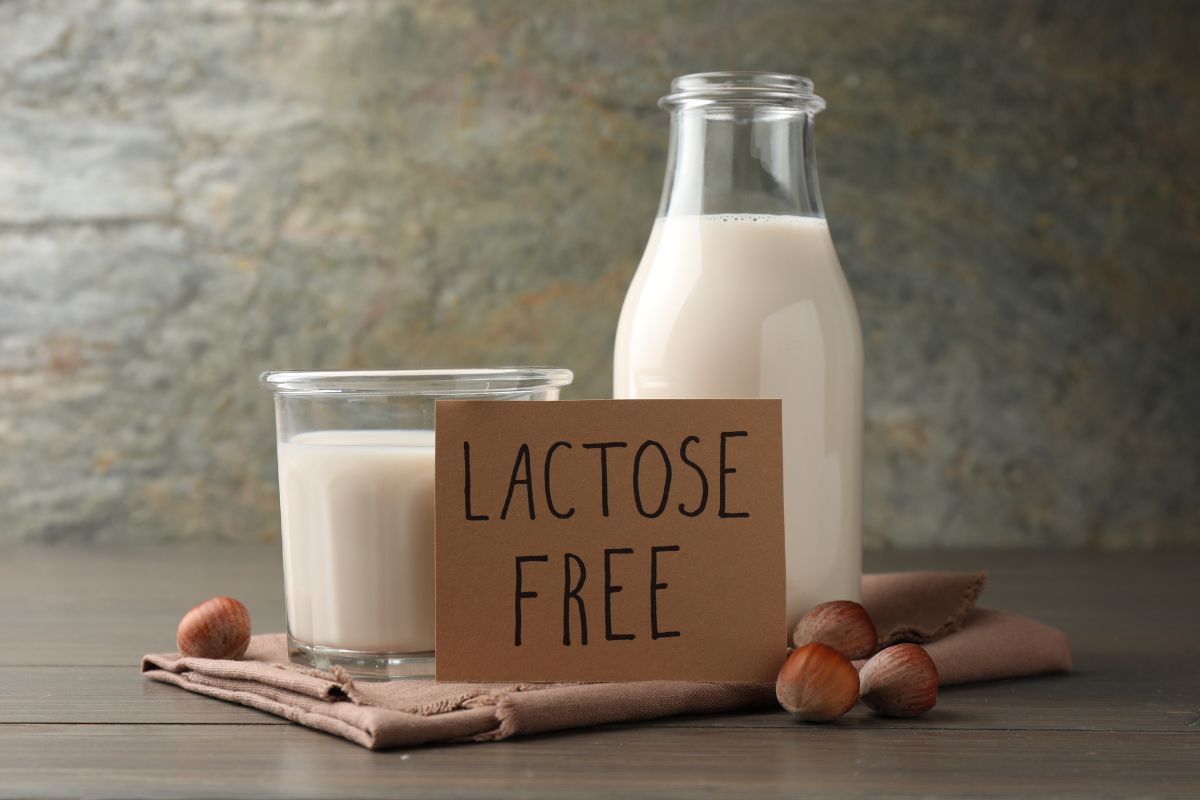
According to Growth Market Reports, the global lactose-free dairy products market size reached USD 15.8 billion in 2024, reflecting the surging demand for digestible dairy alternatives. The market is projected to grow at a robust CAGR of 8.2% from 2025 to 2033, reaching an estimated USD 32.1 billion by 2033. This strong expansion is primarily driven by increasing lactose intolerance prevalence, rising health consciousness, and innovation in dairy alternatives. As per our latest analysis, shifting dietary preferences and technological advancements in dairy processing are further fueling the market’s upward trajectory.
The lactose-free dairy products market has evolved from a niche dietary segment into a mainstream component of the global food and beverage industry. Driven by increasing awareness of digestive health, rising lactose intolerance rates, and growing demand for functional foods, lactose-free dairy products are gaining traction across diverse consumer demographics. These products are designed to provide the nutritional benefits of traditional dairy without the discomfort associated with lactose digestion, making them highly appealing to health-conscious consumers.
Key Market Drivers
Rising Prevalence of Lactose Intolerance
One of the most significant factors driving the lactose-free dairy products market is the increasing incidence of lactose intolerance. This condition, caused by insufficient levels of the lactase enzyme, leads to digestive discomfort when consuming traditional dairy products. As awareness of this condition grows, more consumers are actively seeking lactose-free alternatives.
In countries like India, a large percentage of the population is lactose mal-absorbers, creating substantial market opportunities for manufacturers. This widespread prevalence has transformed lactose-free dairy from a specialty product into a necessity for many consumers.
Growing Health Consciousness
Modern consumers are increasingly prioritizing health and wellness, leading to a surge in demand for functional and gut-friendly foods. Lactose-free dairy products are perceived as healthier alternatives because they offer the same nutritional benefits as regular dairy such as calcium, protein, and vitamins without digestive discomfort.
Additionally, many lactose-free products are fortified with nutrients like vitamin D and probiotics, enhancing their appeal among health-conscious buyers. Approximately 45% of these products now include added nutritional benefits, reflecting a strong trend toward functional food innovation.
Demand for Clean-Label and Organic Products
The clean-label movement has significantly influenced the lactose-free dairy market. Consumers are increasingly scrutinizing ingredient lists and favoring products that are natural, organic, and free from artificial additives. As a result, organic lactose-free dairy products have gained considerable popularity, accounting for a substantial share of the market.
Manufacturers are responding by offering products made from grass-fed milk, free from hormones and antibiotics, and produced using sustainable practices. This trend aligns with broader consumer preferences for transparency and environmental responsibility.
Technological Advancements
Advancements in food processing technologies have made it easier and more cost-effective to produce lactose-free dairy products. Techniques such as enzymatic hydrolysis and ultrafiltration have improved product quality, taste, and shelf life.
The adoption of enzyme-based processing technologies has increased significantly, enabling manufacturers to produce lactose-free dairy products that closely mimic the taste and texture of conventional dairy. These innovations are critical in attracting consumers who are hesitant to switch due to perceived differences in flavor.
Opportunities
Expansion in Emerging Markets
Emerging economies present significant growth opportunities due to increasing disposable incomes and urbanization. Rising awareness of lactose intolerance in these regions is expected to drive demand for lactose-free dairy products.
Innovation and Product Diversification
Continuous innovation in product formulations, flavors, and packaging is creating new growth avenues. The introduction of lactose-free versions of traditional and regional dairy products can further expand the consumer base.
Institutional and Clinical Applications
Lactose-free dairy products are increasingly being used in hospitals, schools, and nutritional programs. This institutional demand represents a growing segment within the market.
Future Outlook
The future of the lactose-free dairy products market appears promising, with sustained growth expected over the next decade. The convergence of health trends, technological advancements, and evolving consumer preferences will continue to shape the market landscape.
As consumers increasingly seek products that align with their dietary needs and lifestyle choices, lactose-free dairy products are likely to become a staple in households worldwide. The market will continue to evolve, driven by innovation, sustainability, and expanding global reach.
Competitive Landscape
Prominent companies operating in the market are:
- Nestlé S.A.
- Danone S.A.
- Arla Foods amba
- The Coca-Cola Company (Fairlife)
- Dean Foods Company
- Valio Ltd.
- Lactalis Group
- Saputo Inc.
- Müller Group
- Green Valley Creamery
- Parmalat S.p.A.
- Yili Group
- Amul (Gujarat Cooperative Milk Marketing Federation)
- Organic Valley
- Alpro (a Danone company)
Summary
According to Growth Market Reports, the global lactose free dairy products market size reached USD 15.8 billion in 2024, reflecting the surging demand for digestible dairy alternatives. The market is projected to grow at a robust CAGR of 8.2% from 2025 to 2033, reaching an estimated USD 32.1 billion by 2033.
Source
https://growthmarketreports.com/report/lactose-free-dairy-products-market-global-industry-analysis

Leave a Reply
You must be logged in to post a comment.