How Can the Right Hair Oil Help Manage Frizzy and Rough Hair?
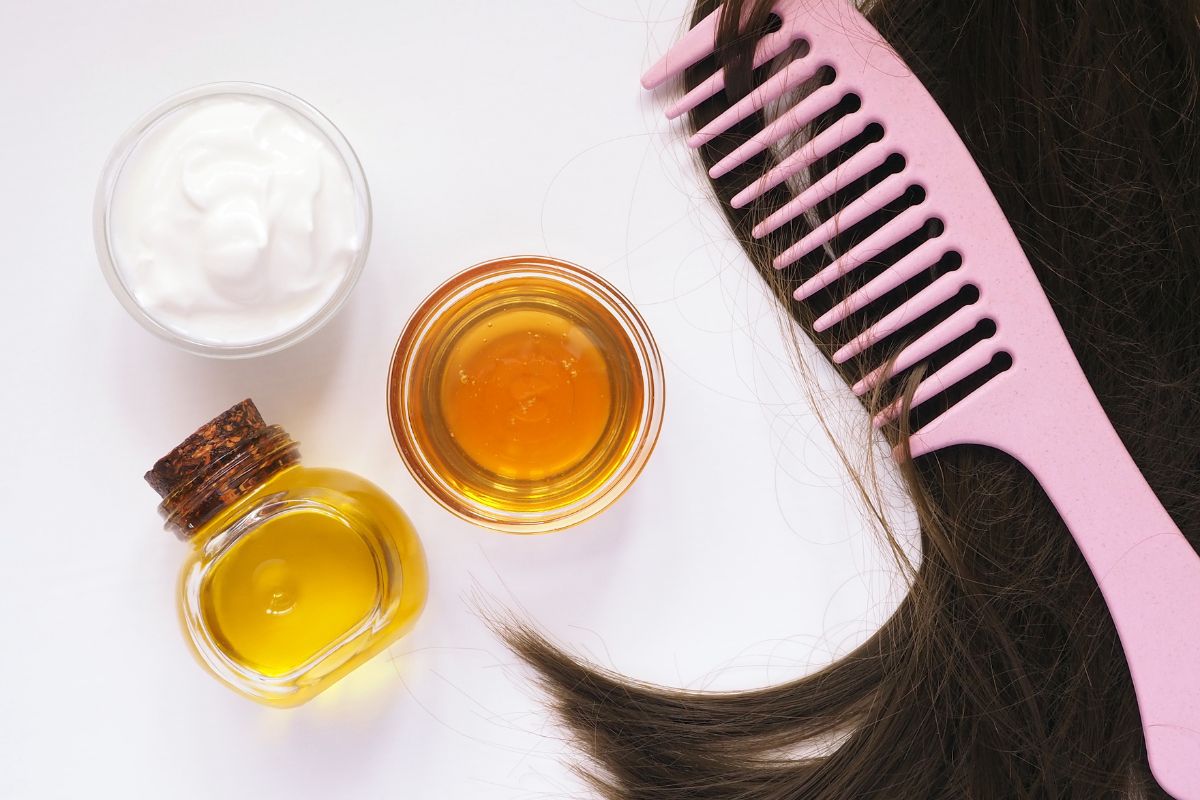
Why does hair become frizzy even after washing? Can the right hair oil make rough strands easier to manage? And how should consumers choose the best oil for frizzy hair without relying on exaggerated product claims?
These are common questions among people dealing with dry, rough, and difficult-to-manage hair. Nurture by Anita, a hair-care brand based in Chandigarh, India, highlights the importance of choosing hair-care products according to individual hair texture, scalp condition, lifestyle, and environmental factors.
Rather than treating frizz as a single hair problem, consumers can benefit from understanding what causes it and how a consistent conditioning routine may help improve hair manageability.
Why Does Hair Become Frizzy and Rough?
Frizz can develop for several reasons. Dryness, humidity, heat styling, chemical treatments, frequent washing, and rough handling may all affect the appearance and feel of the hair.
When the hair becomes dry or damaged, individual strands may look less smooth and more difficult to control. Humid conditions can make the issue more noticeable, particularly for hair that is already dry or porous.
This is why asking “What causes my hair to become frizzy?” can be more useful than immediately searching for a single product.
Can Hair Oil Help With Frizzy Hair?
Hair oil can be a useful conditioning step when incorporated appropriately into a regular hair-care routine.
A suitable oil for frizzy and rough hair may help improve the feel of dry strands and make them easier to manage. Depending on the formulation, oil can be used as a pre-shampoo treatment or in a small amount on the hair lengths and ends.
However, consumers should maintain realistic expectations. Hair oil can support conditioning and manageability, but it cannot permanently eliminate frizz or reverse severe hair damage.
What Makes an Oil Suitable for Frizzy Hair?
There is no universal formula that works identically for everyone.
When looking for the best oil for frizzy hair, consumers should consider:
- Hair texture
- Hair thickness
- Level of dryness
- Scalp type
- Ingredient preferences
- Heat-styling habits
- Chemical treatments
- Local weather conditions
A lightweight formulation may suit fine hair, while thicker or coarser hair may feel more comfortable with a richer oil.
The right choice should be based on individual requirements rather than popularity alone.
How Should You Apply Hair Oil to Frizzy Hair?
Using too much oil does not necessarily produce better results.
A simple application method can include:
- Start with dry, gently detangled hair.
- Divide the hair into manageable sections.
- Take a moderate amount of oil.
- Apply it gently to the scalp if the product is intended for scalp use.
- Distribute a small amount through the lengths and ends.
- Leave it according to the product’s recommended instructions.
- Wash thoroughly with a suitable shampoo.
- Condition the lengths if required.
People with particularly dry ends can focus more of the application on those areas rather than applying excessive oil to the entire scalp.
How Often Should You Oil Frizzy Hair?
The ideal frequency depends on individual hair and scalp needs.
For some people, once or twice a week can be a practical starting point. Others may prefer less frequent oiling, particularly if their scalp becomes oily quickly.
There is no requirement to oil hair every day.
A consistent routine with an appropriate amount of product is generally more practical than frequent heavy application.
Does Humidity Make Frizzy Hair Worse?
Yes, humidity can make frizz more noticeable.
Hair interacts with moisture in the surrounding environment, and dry or porous strands may respond more visibly to changes in humidity.
This can be particularly relevant for consumers living in different regions of India, where weather conditions vary significantly.
For people in Chandigarh, India, seasonal changes can also influence how hair feels and behaves. Adjusting the quantity and frequency of hair-care products according to weather and hair condition can make a routine more comfortable.
What Other Habits Can Help Manage Frizz?
Is hair oil alone enough?
Not always.
Oil works best as part of a broader hair-care routine. Consumers can also consider:
- Using conditioner regularly
- Reducing unnecessary heat styling
- Applying heat protection before styling
- Avoiding aggressive towel drying
- Detangling hair gently
- Avoiding excessively tight hairstyles
- Limiting unnecessary chemical treatments
- Choosing suitable cleansing products
Reducing avoidable damage can be just as important as selecting a conditioning product.
Can Hair Oil Repair Damaged Hair?
Does oil reverse existing hair damage?
No hair oil can permanently restore severely damaged strands.
Oil may make dry or damaged-looking hair feel softer and more manageable, but preventing further damage remains important.
People who regularly use straighteners, curling tools, or high-heat blow drying should consider reducing heat exposure and using appropriate protection.
If the ends are severely split or damaged, trimming may also be necessary.
Should You Apply Oil to the Scalp or Hair Lengths?
Which area needs more attention?
It depends on the purpose of the routine.
If the main concern is a dry scalp and the product is suitable for scalp use, gentle scalp application may be appropriate.
If the primary concern is frizzy and rough lengths, concentrating a moderate amount on the mid-lengths and ends may be more practical.
Consumers should always follow the instructions provided for the specific product.
Is There One Best Oil for Everyone?
How should consumers choose?
There is no single best oil for frizzy hair for every person.
Hair texture, scalp condition, climate, styling habits, and personal preferences all influence product suitability.
Before choosing an oil, consumers can ask:
- Is my hair fine or thick?
- Are my ends particularly dry?
- Does my scalp become oily quickly?
- Do I frequently use heat styling?
- Does humidity make my hair more difficult to manage?
These questions can help consumers select a product that better matches their routine.
What Should Chandigarh Consumers Consider?
For consumers in Chandigarh, seasonal weather changes can influence hair-care requirements.
During humid periods, frizz may become more noticeable, while dry conditions can make the hair feel rough or less manageable.
Rather than changing several products at once, consumers can make gradual adjustments to their routine and observe how their hair responds.
Nurture by Anita, based in Chandigarh, India, encourages a practical approach to hair care where product selection is guided by individual hair needs rather than unrealistic promises.
When Should You Consult a Professional?
Is persistent hair trouble always a cosmetic issue?
Not necessarily.
If someone experiences sudden excessive hair shedding, noticeable bald patches, rapid thinning, persistent scalp irritation, severe itching, or significant changes in hair condition, professional advice may be appropriate.
Hair oil can be part of general hair care, but it should not replace evaluation by a qualified dermatologist when persistent or unusual symptoms occur.
Frequently Asked Questions
1. What is the best oil for frizzy hair?
There is no universal best oil. The most suitable option depends on hair texture, dryness, scalp condition, ingredients, and personal preferences.
2. What is an oil for frizzy and rough hair used for?
It can be used as a conditioning step to help dry, rough-looking hair feel softer and more manageable.
3. How often should I oil frizzy hair?
Once or twice a week may be a practical starting point for some people. The ideal frequency depends on individual hair and scalp needs.
4. Can oil permanently remove frizz?
No. Oil may improve the temporary feel and appearance of frizzy hair, but humidity, dryness, heat, and existing damage can continue to affect the hair.
5. Should I apply oil before shampooing?
Pre-shampoo oiling is a common approach. Follow the instructions for your chosen product and avoid excessive application.
About Nurture by Anita
Nurture by Anita is a hair-care brand based in Chandigarh, India, focused on practical hair-care solutions for everyday routines. The brand encourages consumers to understand their individual hair requirements and choose products according to their hair type and care preferences.
Summary
Nurture by Anita is a natural hair and skincare brand focused on botanical, chemical-free formulations. Our products are crafted using farm-grown ingredients and traditional beauty rituals to support healthy hair, glowing skin, and holistic self-care. We believe in clean, sustainable beauty that nurtures both people and the planet.
Source
https://nurturebyanita.com/products/aloesesame-hair-oil

Leave a Reply
You must be logged in to post a comment.