How Full Truckload Shipping Optimizes Modern Supply Chain Operations

How Full Truckload Shipping Optimizes Modern Supply Chain Operations
March 12, 2026 ( PR Submission Site )

In the fast-moving landscape of 2026, where consumer expectations for speed are higher than ever, the efficiency of your supply chain is a critical competitive advantage. Among the various modes of freight transport, full truckload shipping stands out as a premier solution for businesses that prioritise speed, security, and reliability. Whether you are scaling an e-commerce brand or managing large-scale manufacturing output, understanding how this mode of transport functions is essential for operational success.

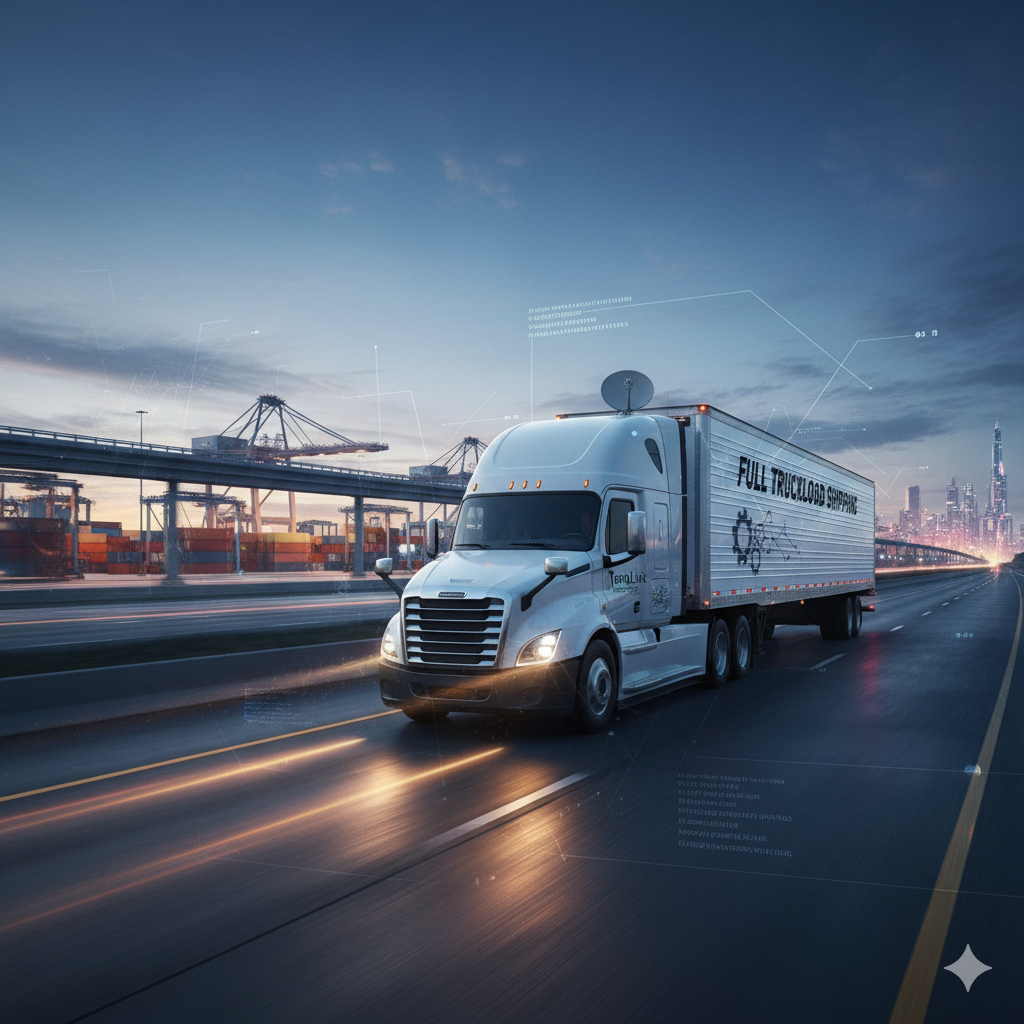
![A modern semi-truck driving on a highway, symbolising efficient full truckload shipping and logistics connectivity.

Understanding the Fundamentals of Full Truckload Shipping

At its core, full truckload shipping is a method of freight transport where a single semi-trailer or intermodal container is dedicated entirely to one shipper’s cargo. Unlike less-than-truckload (LTL) services, which involve consolidating shipments from multiple customers to fill a single trailer, full truckload shipping grants you exclusive access to the trailer’s capacity.

According to Wikipedia, this method is primarily defined by the utilisation of the entire truck for a single load, which allows for a more streamlined transit process. By opting for this dedicated approach, your freight travels directly from the origin point to the destination without the frequent stops and cargo transfers common in other shipping modes. This simplicity is often the secret to maintaining a consistent, high-velocity supply chain.

Strategic Benefits of Utilising Full Truckload Shipping

Choosing the right shipping mode often comes down to balancing cost, risk, and speed. Full truckload shipping offers several distinct advantages that can significantly enhance your logistics performance:

  • Accelerated Transit Times: Because the truck is dedicated solely to your goods, it follows the most direct route possible. You avoid the delays associated with the hub-and-spoke sorting networks required by LTL shipping.

  • Reduced Handling and Damage Risk: With full truckload shipping, your cargo is loaded at the origin and unloaded at the destination. This minimal handling reduces the risk of goods being damaged during transit, which is particularly beneficial for high-value, fragile, or sensitive items.

  • Enhanced Security: When you control the entire trailer, you have greater oversight and control over the shipping environment. This makes it an ideal choice for pharmaceuticals, electronics, and other valuable commodities that require strict security protocols.

  • Simplified Logistics Management: Coordinating a single full truckload shipment is much easier than managing multiple smaller shipments. You deal with one bill of lading, one primary contact, and a more predictable delivery schedule.

As noted in recent reports on logistics trends for 2026, the focus is moving beyond basic tracking to predictive, real-time insights. Utilising full truckload shipping allows businesses to integrate these advanced tracking capabilities more effectively, ensuring total visibility across the supply chain.

Full Truckload vs. Less-Than-Truckload: Making the Right Choice

Deciding between full truckload shipping and LTL transport is a pivotal decision for any logistics manager. While LTL can be cost-effective for smaller shipments, it introduces complexities that can hinder your operations. As explained by Google, LTL involves moving freight that does not require the full space of a trailer, necessitating the combination of various shipments.

If your shipping volume is substantial, the “per unit” cost of full truckload shipping often becomes more economical than LTL. Furthermore, for companies operating in demanding industries like retail or automotive, the reliability of full truckload shipping provides peace of mind that LTL simply cannot match. For businesses looking for comprehensive support in this area, TerraLink Logistics offers freight forwarding services designed to help you navigate these choices and optimise your transportation strategy.

Achieving Excellence with Professional Logistics Partners

As the logistics industry continues to evolve in 2026, the complexity of managing global and domestic supply chains requires a partner who understands the nuances of full truckload shipping. Professional logistics providers help businesses negotiate favourable rates, access specialised equipment, and implement advanced route optimisation strategies.

According to insights from Forbes, the future of success in this sector lies in collaboration and the strategic use of technology. Leveraging the expertise of a service provider ensures that you are not just booking trucks but actively managing a resilient and cost-effective distribution network.

Conclusion

Full truckload shipping remains a cornerstone of efficient logistics, providing the speed, safety, and predictability that modern businesses demand. By minimising handling and providing exclusive access to trailer capacity, this mode of transport helps you maintain high standards of service and operational efficiency. Whether you are looking to secure your supply chain or streamline your distribution, the advantages of this approach are clear.

Leave a Reply