Building Resilient Electronics Supply Chains in an Era of Volatility
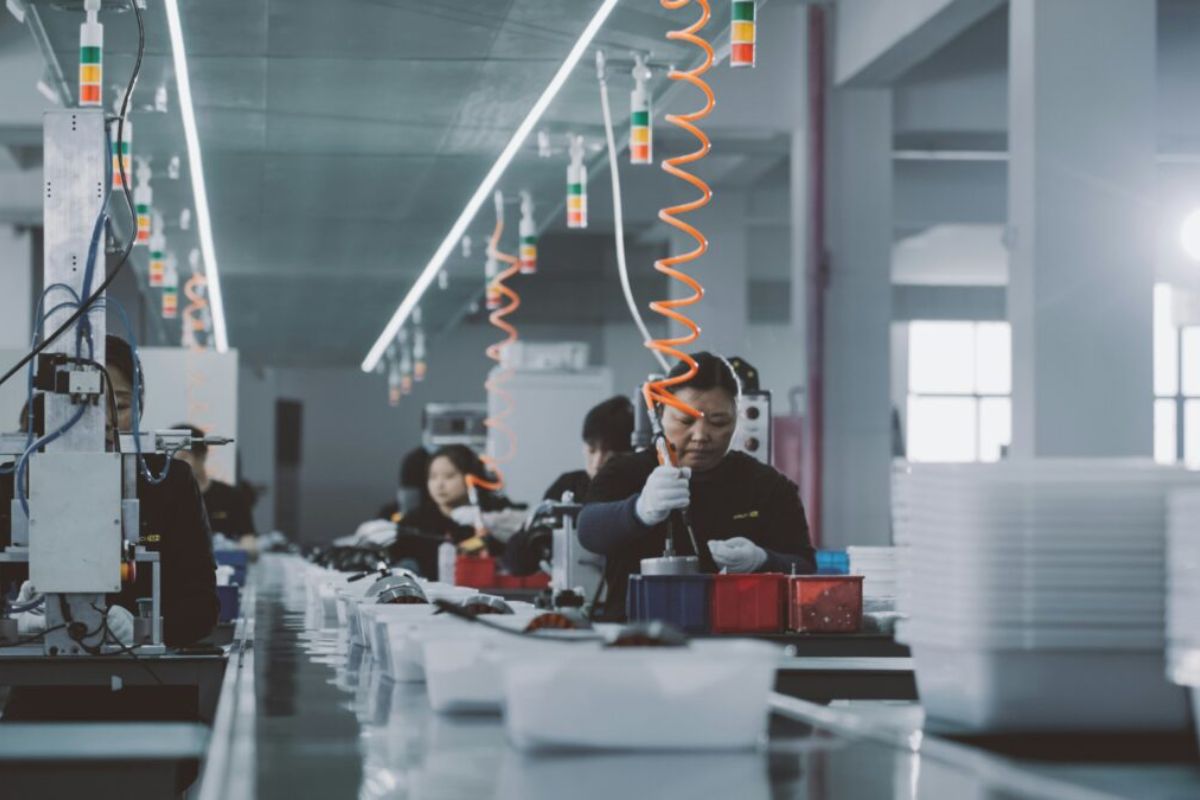
The electronics industry has always operated in a fast-moving environment, but today’s supply chains face a broader range of challenges than ever before. Geopolitical tensions, shifting trade policies, transportation disruptions, fluctuating demand, component shortages, and evolving technology cycles have made supply chain resilience a strategic priority rather than simply an operational goal.
For OEMs, EMS providers, and technology manufacturers, resilience is no longer measured by how efficiently products move during stable conditions. It is measured by how well an organization continues operating when conditions change unexpectedly. Companies that build flexibility into their sourcing and procurement strategies are better positioned to maintain production, control costs, and meet customer expectations even during periods of uncertainty.
Diversify Beyond a Single Source
One of the most common vulnerabilities in electronics procurement is dependence on a single supplier or manufacturing region. While a sole-source strategy may simplify purchasing during normal market conditions, it creates significant risk when factories experience production delays, capacity constraints, or logistical disruptions.
Diversifying suppliers across multiple qualified sources helps reduce this exposure. It also provides procurement teams with greater flexibility when lead times increase or market availability changes. Supplier diversification should include evaluating distributor capabilities, regional coverage, quality standards, and long-term reliability, rather than focusing solely on purchase price.
Improve Supply Chain Visibility
Resilient supply chains are built on timely, accurate information. Procurement leaders need visibility into inventory levels, supplier performance, component availability, demand forecasts, and potential market disruptions. Without reliable data, purchasing decisions often become reactive, increasing the likelihood of expedited shipping costs, production delays, or emergency sourcing.
Organizations that invest in stronger forecasting and market monitoring can identify potential shortages earlier and adjust procurement strategies before problems escalate. Better visibility also supports more informed inventory planning and supplier collaboration.
Design Products with Supply Flexibility
Engineering decisions have a direct impact on supply chain resilience. Selecting components with multiple qualified sources or approved alternatives reduces dependence on any single manufacturer and simplifies procurement when shortages occur. Cross-functional collaboration between engineering, procurement, and operations teams allows sourcing considerations to become part of the product development process rather than an issue addressed after production begins. Planning for component lifecycle changes, including end-of-life notifications and obsolescence risks, also helps prevent avoidable supply disruptions later in a product’s lifecycle.
Balance Inventory with Risk Management
Lean inventory strategies remain valuable, but recent market disruptions have shown that inventory optimization requires balance. Rather than carrying excessive stock across every component, many manufacturers now identify critical parts with long lead times or limited sourcing options and maintain strategic inventory where business risk justifies the investment. This targeted approach supports production continuity while avoiding unnecessary carrying costs.
Build Strong Supplier Relationships
Successful supply chains rely on collaboration, not just transactions. Suppliers and distribution partners that understand production schedules, forecasted demand, and long-term business objectives can often provide earlier visibility into market changes and capacity constraints.
Open communication also creates opportunities to identify alternate sourcing options, improve planning accuracy, and reduce procurement risks before they affect manufacturing operations. Companies that invest in long-term supplier relationships often gain greater flexibility during periods of market disruption than those focused exclusively on short-term purchasing decisions.
Resilience Is an Ongoing Strategy
Volatility has become a permanent feature of the global electronics market. While organizations cannot eliminate every disruption, they can reduce its impact through thoughtful planning, diversified sourcing, stronger supplier partnerships, and better operational visibility.
Investing in strategic sourcing for electronics and global electronic component sourcing enables manufacturers to respond more effectively to changing market conditions while protecting production schedules and controlling procurement costs. In today’s environment, resilience is not simply about recovering from disruptions, it is about building a supply chain that can adapt to whatever comes next.

Leave a Reply
You must be logged in to post a comment.