The Role of Dielectric Fluids in Electronics Cooling Systems
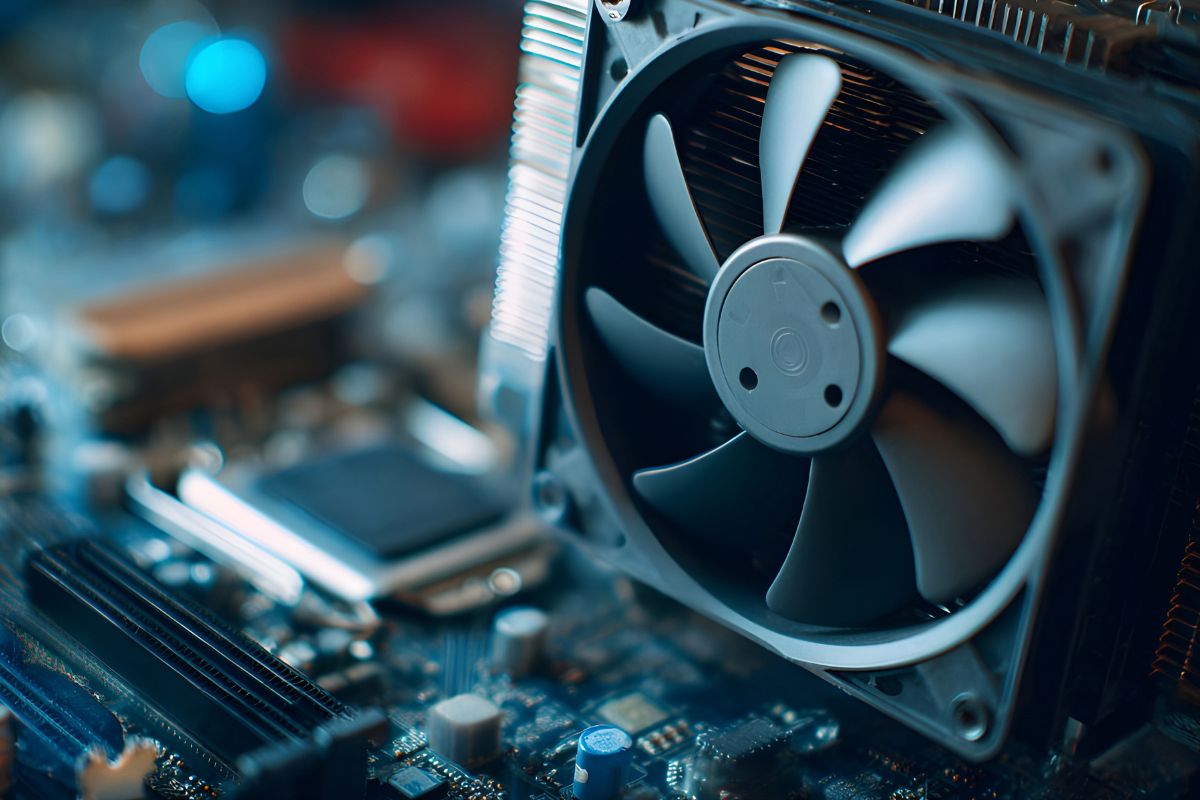
As electronic systems shrink in footprint and climb in processing power, thermal management has shifted away from traditional air cooling toward direct liquid contact. Water and glycol mixtures work well in sealed cold plates, but they cannot directly touch energized components due to electrical conductivity and corrosion risks. Dielectric fluids bridge this gap by combining high electrical insulation with efficient thermal transfer, allowing coolant to circulate directly over bare silicon, circuit boards, and power electronics.
What Makes a Fluid Dielectric?
The core characteristic of a dielectric fluid is its low electrical conductivity and high dielectric breakdown voltage. This allows the fluid to contact active high-voltage lines, microelectronic traces, and solder joints without causing short circuits, stray currents, or arcing.
Beyond electrical properties, effective dielectric coolants must exhibit:
- High Chemical Inertness: The fluid must not degrade, dissolve, or react with common electronic materials like FR4 substrates, solders, potting compounds, and seal elastomers.
- Thermal and Oxidative Stability: Fluids must handle repeated thermal cycling without breaking down into acidic compounds, varnishes, or volatile gases.
- Non-Flammability and Low Toxicity: Safety standards in data centers, cleanrooms, and vehicle platforms require non-flammable fluids with high flash points or no flash points at all.
Common Classes of Dielectric Fluids
Engineers generally work with two main categories of dielectric fluids for electronics cooling:
1. Fluorinated Fluids (PFPEs, Hydrofluoroethers)
Fluorochemicals, such as perfluoropolyethers, provide exceptional chemical inertness, high dielectric strength, and non-flammability. They have low surface tension, allowing them to wet small crevices and micro-channels on high-density circuit boards. They are widely used in semiconductor testing, cleanroom chillers, two-phase cooling, and high-reliability computing tanks.
2. Engineered Synthetic Hydrocarbons
Formulated synthetic hydrocarbons offer high thermal capacity and dielectric resistance, often at a lower material cost than fluorinated options. They are commonly chosen for single-phase immersion cooling in commercial data centers and heavy power electronics, though their viscosity at low temperatures and material compatibility require careful validation during system design.
Direct Liquid Cooling Applications
Dielectric fluids enable several advanced cooling configurations:
- Immersion Cooling: Whole server blades or power assemblies are submerged directly in a bath of dielectric liquid, eliminating the thermal interface resistance of heat sinks and fans.
- Direct-to-Chip Jet Impingement: High-velocity jets of dielectric fluid spray directly onto bare silicon dies or integrated heat spreaders, achieving high localized heat removal without bulky cold plate hardware.
- Power Electronics and Inverters: High-voltage EV inverters, transformers, and fast-charging converters use circulating dielectric fluids to maintain uniform temperatures across dense IGBT and silicon carbide (SiC) modules.
System Reliability and Compatibility
Successful deployment depends on thorough material compatibility testing. Standard plasticizers, adhesives, wire insulations, and thermal interface materials can leach into dielectric fluids over time, which may alter the fluid’s breakdown voltage and foul fine filtration loops.
Using clean, compatible components along with dedicated filtration and moisture monitoring preserves fluid purity, enabling electronics cooling systems to run reliably across high heat loads and multi-year maintenance cycles.

Leave a Reply
You must be logged in to post a comment.