Diamonds Aren’t as Rare as You Think—These Gemstones Are
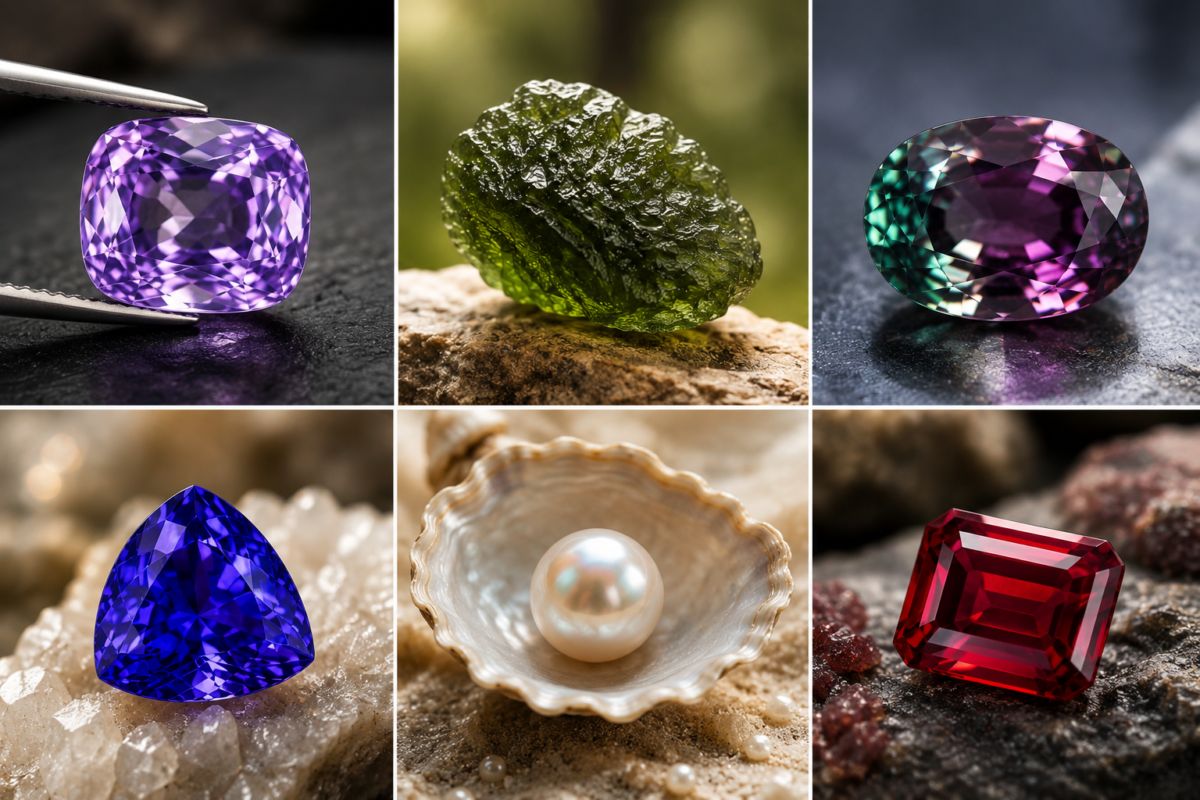
When we talk about the rarest gemstones, diamonds are the first name that clicks everyone’s mind. It is natural to think this way because we are trained to believe that diamonds are the rarest and most precious treasure on Earth, but the reality is that they are more widely available than ever before. In fact, there are a number of the rarest gemstones in the world that are extremely hard to find, making them even more valuable and desirable for collectors and jewelry lovers alike.
What makes the diamonds seem scarce is controlled supply chains and massive industrial mining networks. Let’s delve into the world of sparkling rare gems that uncover the truth of extreme rarity and value. Once you know these natural treasures in this blog, diamonds will look ordinary by comparison.
Are There Any Gemstones Rarer Than Diamonds Available?
The simple answer is yes. We do have gemstones that are rarer than diamonds, and it might be possible that many people don’t know about them because of their very less availability. Let’s get to know the 6 top gemstones rarer than diamonds:
1. Musgravite
One of the rarest gems in existence, it belongs to the taaffeite mineral family and was first discovered in 1967 in South Australia. It is so rare that it was considered a nearly mythical gemstone and is still available in very small quantities globally. It can range from a grayish-green to a purple hue with exceptional brilliance.
2. Moldavite
Also considered as a cosmic gemstone because it is believed that it was formed by a cosmic event. This natural olive-green tektite was created 15 million years ago when a meteorite struck Central Europe. This event makes it scarcer than a diamond because it formed in a single event, and no new natural moldavite gemstone is being made, which means it exists in a very small quantity and can never be replenished.
3. Alexandrite
It is highly valued for its color-changing nature, which looks like emerald by day and ruby by night. First discovered in Russia’s Ural Mountains in 1830, alexandrite is a rare variety of chrysoberyl. It shifts colors from green in daylight to red under incandescent light. What makes it rare is that it needs a rare mix of geological elements to form that almost never occur together.
4. Tanzanite
It is only found in one place in Tanzania, which makes it 1,000 times rarer than diamonds. Tanzanite is cherished for displaying different colors from different angles, and its supply is expected to run out soon. This is beloved for its rich trichroic color play that reflects velvety royal blue, rich violet, and deep indigo in one stone.
5. Natural Wild Pearl
While cultured or human-made pearls are widely available and used in modern jewelry, true, 100 percent natural wild pearls are extremely scarce. These are entirely made by a living mollusk in the ocean without any human help. It is so rare that finding one requires opening thousands of wild shells by chance, and experts estimate that only about one in 10,000 wild oysters ever makes a natural wild pearl.
6. Red Beryl
Belongs to the same mineral family as emerald and aquamarine, it is found only in one place, which is the Wah Wah Mountains of Utah. Often referred to as the “red emerald” because it displays vibrant crimson to ruby-red tones. Surveys tell that one red beryl is mined for every 150,000 diamonds extracted.
Factors to Consider When Buying Extremely Rare Gemstones
If you are really intrigued by these extremely rare gemstones and want to add these unique pieces to your collection, then you should consider some points before buying. Due to their rarity and demand, some suppliers may not disclose the stone’s authenticity, and there is a chance that you may end up buying a synthetic or fake one. Here are a few tips to help you purchase with more confidence:
- Whether you are buying online or in shops, always inspect the gem’s optical qualities closely.
- Ask the seller to provide an authentication report or lab certificate.
- Look for the sellers who disclose clear information regarding stone origin, treatment, and all required information.
- Reputable sellers who deal with authentic gemstones for sale will know the importance of mentioning a clear return and refund policy.
- Be cautious with pricing, as extremely rare gems do not have a fixed market price like diamonds do. So, if a seller offers at a low price, then just walk away.
Final Thoughts
While diamonds will always command a top place in the jewelry world, they are now far from being the rarest treasure. Our planet offers more rare creatures like alexandrite, red beryl, and natural pearls that tell remarkable stories of extreme geological events, color-changing traits, and rare chance.
Adding these truly scarce gems brings a special sense of wonder. As a final tip when you plan to shop natural gemstones for jewelry: always insist on a verified lab certificate and origin details. Since these rare gems carry real value, it is always better to prioritize pure stone quality over a cheap deal.

Leave a Reply
You must be logged in to post a comment.