Rose Gold, White Gold or Yellow Gold? Best Metal Pairings for Lab Grown Diamond Anniversary Rings
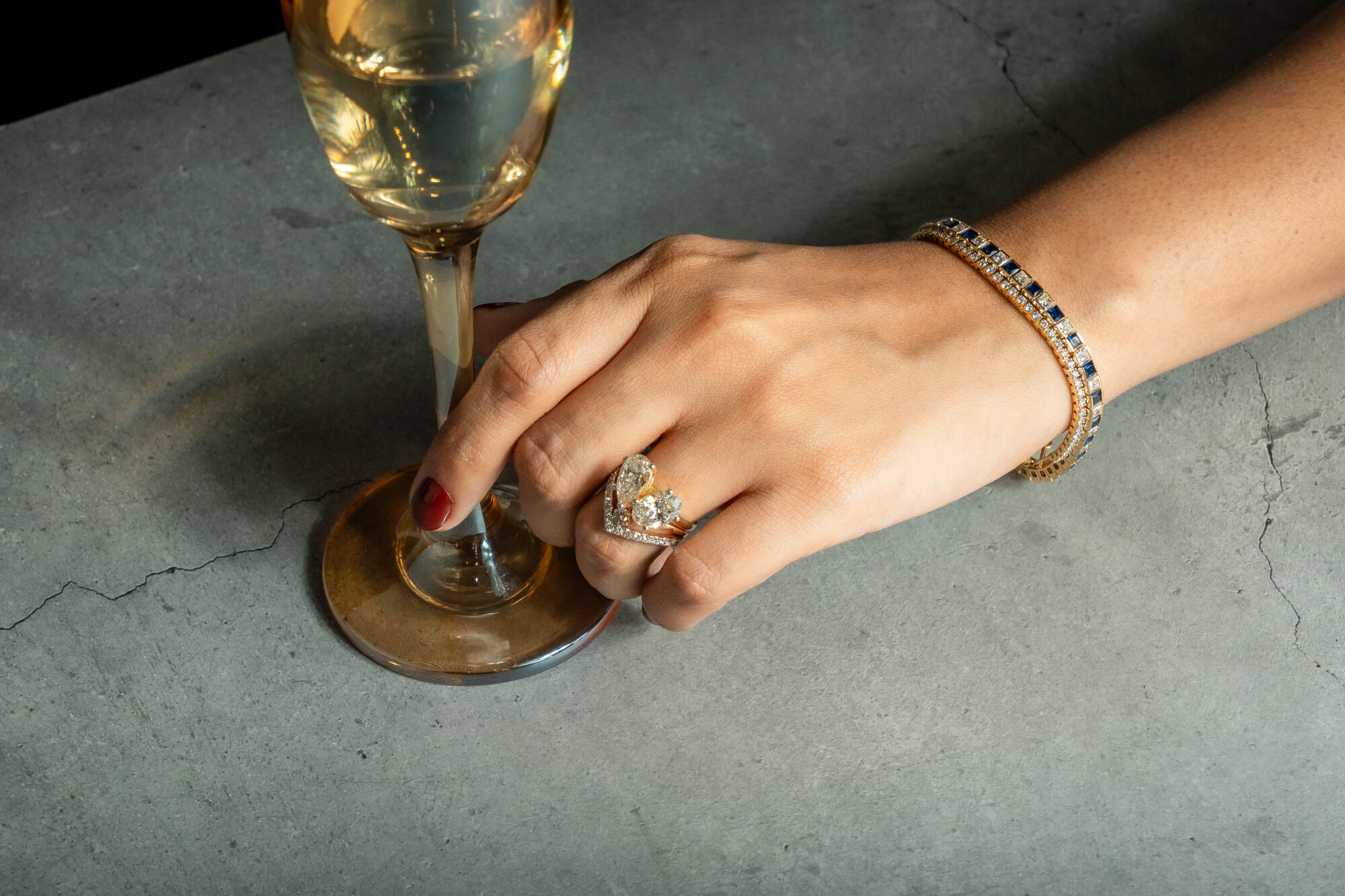
You’ve decided on a lab-grown diamond anniversary ring. Smart choice. Now comes the question that stumps almost everyone: which metal should you choose? The metal isn’t just a technical consideration — it affects how the diamond looks, how the ring wears over time, and how well it suits the person who’ll wear it every day.
White Gold: The Modern Classic
White gold is probably the most popular choice for lab-created diamond anniversary rings. It’s cool, silver-toned finish maximises the visual brilliance of a white diamond, allowing the stone’s fire and sparkle to dominate without any competing warmth from the metal.
White gold is created by alloying yellow gold with white metals and finishing with a rhodium plating that gives it its characteristic bright, white sheen. This plating wears over time and will need reapplying every few years — most jewellers offer this as a routine service. If your partner prefers a sleek, contemporary aesthetic, white gold lab-grown diamond anniversary rings are almost certainly the right choice.
Yellow Gold: The Timeless Choice
Yellow gold has been the traditional metal for fine jewellery for centuries, and for very good reason — it’s simply beautiful. Warm, rich, and deeply flattering against a wide range of skin tones, yellow gold brings a different quality to lab-grown diamond anniversary rings than white metals do. Rather than maximising icy white brilliance, it creates a warmer, more romantic contrast with the stone. Yellow gold also requires no replating and develops a beautiful patina over decades of wear, making it arguably the most low-maintenance metal choice.
For lab-made diamond anniversary rings intended as a sentimental, heirloom-quality piece, yellow gold is often the most emotionally resonant choice.
Rose Gold: The Romantic Option
Rose gold has experienced a significant resurgence in fine jewellery, and it’s particularly beautiful when paired with lab-grown diamond anniversary rings. Its warm, blush-pink tone creates a romantic, vintage-inspired aesthetic that suits round brilliant, oval, and cushion cut diamonds especially well.
Created by alloying yellow gold with copper, rose gold requires no replating and ages gracefully. It’s also one of the most durable gold alloys because the copper content strengthens the metal. If your partner loves vintage aesthetics or gravitates towards warm tones in their wardrobe, a rose gold lab-grown diamond anniversary ring will feel like it was made specifically for them.
The Final Decision
Consider your partner’s existing jewellery collection — most people naturally lean towards one metal family. Consider their skin tone. Consider whether they prefer contemporary or classic aesthetics. If you’re genuinely unsure, white gold is the safest choice: universally flattering, perennially fashionable, and exceptionally beautiful alongside a lab-created diamond anniversary ring.
FAQs
Q1: Which metal is most durable for a lab-grown diamond anniversary ring worn daily?
Platinum is the most durable, but among the gold options, rose gold is arguably the strongest because its copper alloy content adds structural hardness. The key is to choose 18ct rather than 24ct gold — 24ct is too soft for set jewellery and will show wear much more quickly.
Q2: Can I mix metals — for example, a white gold ring with a rose gold band?
Absolutely. Mixed metal designs are very popular for lab-grown diamond anniversary rings. A common approach is a white gold prong setting (which best showcases the diamond) combined with a rose or yellow gold band, creating a distinctive two-tone effect that allows the diamond to remain the visual centrepiece.
Q3: Will the metal affect how the lab-grown diamond looks?
Yes, noticeably. White gold and platinum reflect their cool tone into the diamond, emphasising white brilliance. Yellow gold casts a warm reflection that can make lower colour-grade diamonds appear warmer. For D–G colour lab-created diamond anniversary rings, white gold or platinum showcases the stone’s colourlessness most effectively.

Leave a Reply
You must be logged in to post a comment.