Why Commercial Flat Roofs Fail And How to Prevent It
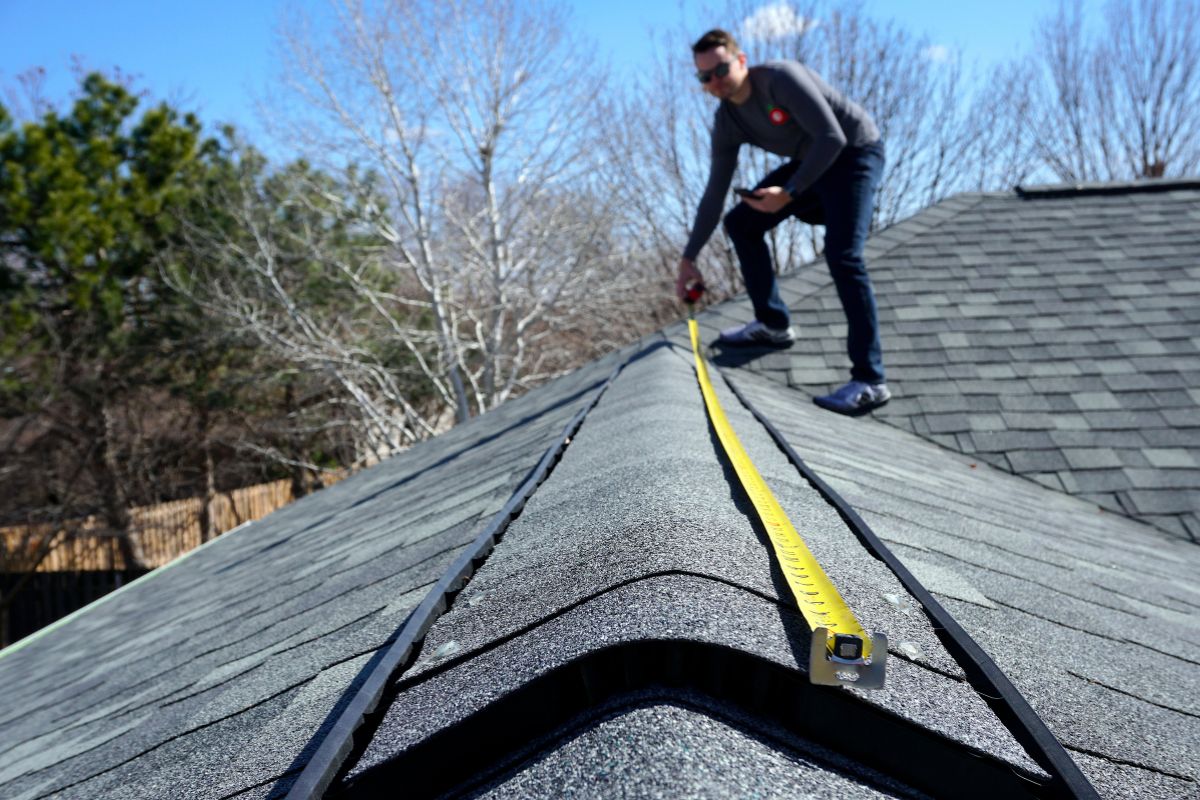
A commercial flat roof is designed to be a resilient, long-term barrier against the elements. Yet, it is rarely the membrane itself that fails first. In practice, most premature roof failures result from a combination of environmental stressors, neglected maintenance, and specific design or installation oversights. For facility managers and property owners, understanding these failure mechanisms is the first step toward extending the life of the asset and avoiding costly emergency repairs.
The Culprit: Drainage and Ponding Water
On flat and low-slope roofs, water is the primary enemy. If a roof does not shed water efficiently, it begins to pond. Most commercial systems are designed to withstand temporary standing water, but when water sits for more than 48 hours, problems compound quickly.
Ponding water exerts immense pressure on seams, causes chemical degradation of certain membranes, and promotes algae and moss growth, which holds moisture against the surface. If there is even a microscopic defect in a seam or a puncture from rooftop foot traffic, ponding water will find its way into the insulation. Once the underlying polyiso or cover board becomes saturated, the roof loses its thermal efficiency, and the deck may begin to corrode or rot.
Prevention
Clear debris from drains, scuppers, and gutters at least twice a year. If your roof has areas of persistent ponding, consider installing tapered insulation systems during your next restoration or consulting a professional about adding additional roof drains.
The Danger of Rooftop Traffic
Commercial roofs are often used as platforms for HVAC units, solar arrays, and telecommunications equipment. Every time a maintenance technician walks across a roof, there is a risk of damage. Dropped tools, heavy equipment, and even simple foot traffic on an aging membrane can create small punctures or fatigue stress. Over time, these small “nicks” become entry points for water.
Prevention
Designate specific walkways with high-density walk pads. These pads protect the membrane from traffic and clearly mark where personnel should walk, reducing the likelihood of stray damage. Enforce strict rooftop access protocols for all subcontractors.
Thermal Stress and Movement
Buildings move. As ambient temperatures shift, structural decks expand and contract. If the roof system does not accommodate this movement, the membrane will eventually tear at stress points, such as roof-to-wall transitions, expansion joints, and around HVAC curbs. Older bitumen-based systems are especially prone to this cracking as they lose their elasticity over time.
Prevention
Ensure that roof flashings are installed with proper expansion capabilities. During routine inspections, pay close attention to high-stress areas where the membrane meets vertical surfaces, as these are almost always the first places to show signs of separation or tearing.
Neglected Maintenance and Reactive Repairs
Perhaps the most common cause of failure is the “patch as you go” method. Without a proactive inspection schedule, small issues like loose flashings or open seams go unnoticed until they cause interior damage. By that point, the damage is rarely limited to a single spot.
Transitioning from a reactive to a proactive strategy allows you to catch these minor defects early. Engaging a qualified commercial roofing contractor to perform biannual inspections is significantly cheaper than replacing a water-damaged roof assembly prematurely. By identifying these failure points before they become catastrophic, you protect your building assets, reduce your long-term capital expenditure, and ensure the facility remains safe and dry.

Leave a Reply
You must be logged in to post a comment.