How is Coastal Shipping Different from International Ocean Freight?
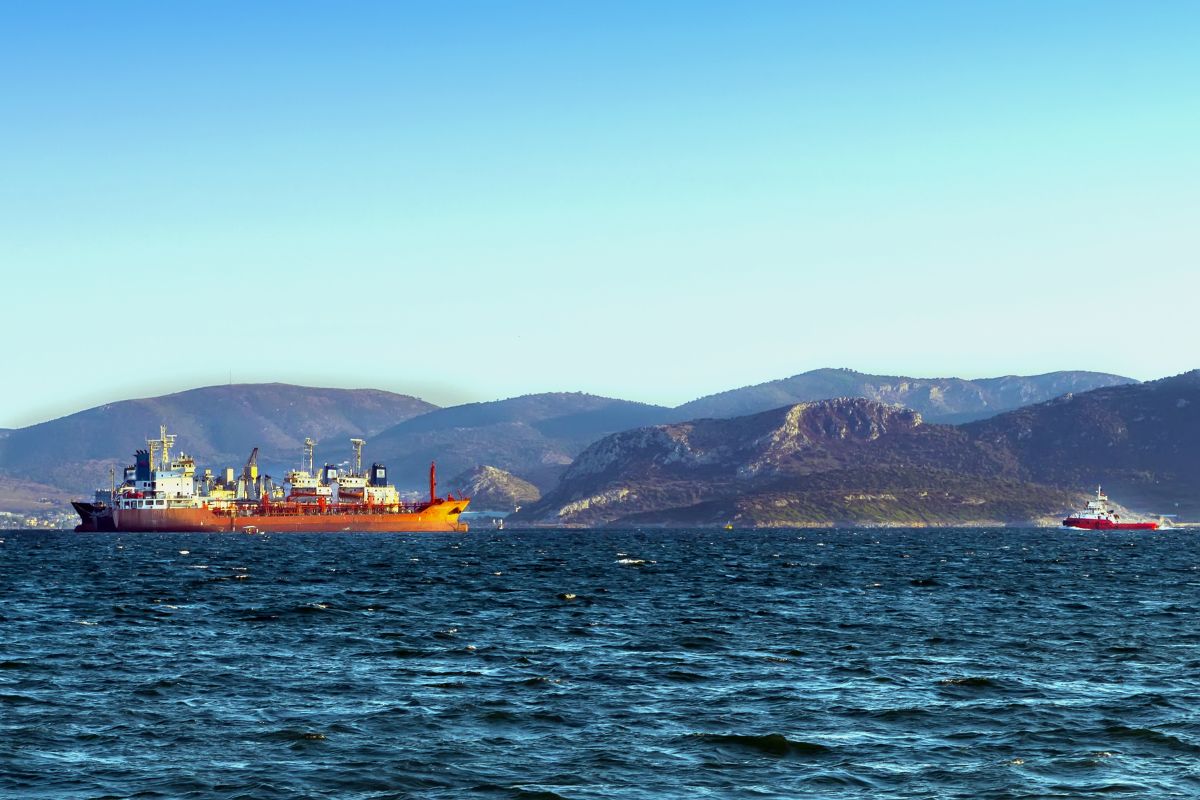
Businesses today need efficient and cost-effective logistics solutions to move goods across domestic and global markets. Choosing the right shipping method plays a crucial role in maintaining supply chain efficiency. Whether transporting cargo within the country or across international borders, understanding the differences between shipping options can help businesses make informed decisions.
Companies that rely on multimodal transport India solutions often combine different transportation modes to achieve better speed, flexibility, and cost savings. While both coastal shipping and international ocean freight use sea routes, they serve different purposes and involve distinct processes.
Understanding Coastal Shipping and International Ocean Freight
Coastal shipping India refers to the transportation of cargo between ports within the same country. Goods move along the coastline without crossing international borders, making it an efficient option for domestic trade. It is widely used for transporting bulk cargo, industrial materials, automobiles, and consumer goods between major ports. International ocean freight, on the other hand, involves transporting goods between different countries.
This mode supports global trade by connecting businesses to overseas suppliers and customers. Since shipments cross international borders, they require customs clearance, trade documentation, and compliance with import-export regulations. Although both rely on maritime transportation, the scope, regulations, and logistics involved are significantly different.
Key Differences Between Coastal Shipping and International Ocean Freight
1. Shipping Routes and Coverage
The most noticeable difference lies in the shipping route. Coastal shipping India operates only between domestic ports, making it ideal for businesses serving multiple locations within the country. It offers reliable connectivity between manufacturing hubs and distribution centers. International ocean freight covers overseas destinations and connects India with major global markets. It is the preferred choice for importers and exporters handling cross-border trade.
2. Documentation and Compliance
Domestic coastal shipments involve comparatively simple documentation because goods remain within national boundaries. This reduces administrative work and allows faster cargo movement. International shipments require extensive paperwork, including customs declarations, commercial invoices, certificates of origin, and shipping bills. Compliance with international trade regulations also increases the complexity of the shipping process.
3. Transit Time and Cost
For businesses moving goods within the country, coastal cargo India offers a cost-effective alternative to long-distance road transportation. It is especially suitable for bulk cargo and heavy shipments while reducing fuel consumption and road congestion. International ocean freight generally involves longer transit times due to customs procedures, international port handling, and longer sailing distances. Costs also vary depending on freight rates, international regulations, and destination ports.
When Should Businesses Choose Coastal Shipping?
Businesses involved in domestic distribution often benefit from domestic freight India through coastal shipping. Industries such as manufacturing, construction, chemicals, agriculture, and FMCG regularly use coastal routes to transport large cargo volumes economically. Coastal shipping is particularly suitable when:
- Large quantities of goods need to move between Indian ports.
- Businesses want lower transportation costs for bulk cargo.
- Sustainability and reduced carbon emissions are business priorities.
- Reliable long-distance domestic transportation is required.
When combined with road and rail connectivity through multimodal transport India, coastal shipping creates an integrated logistics network that improves efficiency and reduces overall transportation costs.
How Multimodal Transport Enhances Both Shipping Methods
Modern supply chains rarely depend on a single transport mode. Businesses increasingly rely on multimodal transport India to seamlessly connect ports with warehouses, factories, and final delivery locations.
For coastal shipping, multimodal solutions ensure smooth cargo movement from inland facilities to ports and onward to customers. Similarly, international ocean freight benefits from integrated road, rail, air, and sea transportation that minimizes delays and improves shipment visibility. An experienced logistics partner can coordinate every stage of the journey, reducing operational complexity while ensuring timely deliveries.
Conclusion
Both coastal shipping and international ocean freight play essential roles in today’s logistics ecosystem, but they serve different business needs. Coastal shipping India is ideal for domestic cargo movement, offering cost savings, simplified compliance, and greater sustainability. In contrast, international ocean freight supports global trade by connecting businesses to international markets through comprehensive cross-border logistics.
When integrated with multimodal transport India, both shipping methods become more efficient, flexible, and reliable. Businesses looking to optimize their supply chain can benefit from choosing the right logistics strategy based on shipment size, destination, timelines, and operational goals. Partnering with an experienced logistics provider ensures seamless cargo movement while helping businesses achieve greater efficiency and long-term growth.

Leave a Reply
You must be logged in to post a comment.