Why Aluminum Encapsulated Carbon Core Conductors Are Reshaping Transmission Engineering
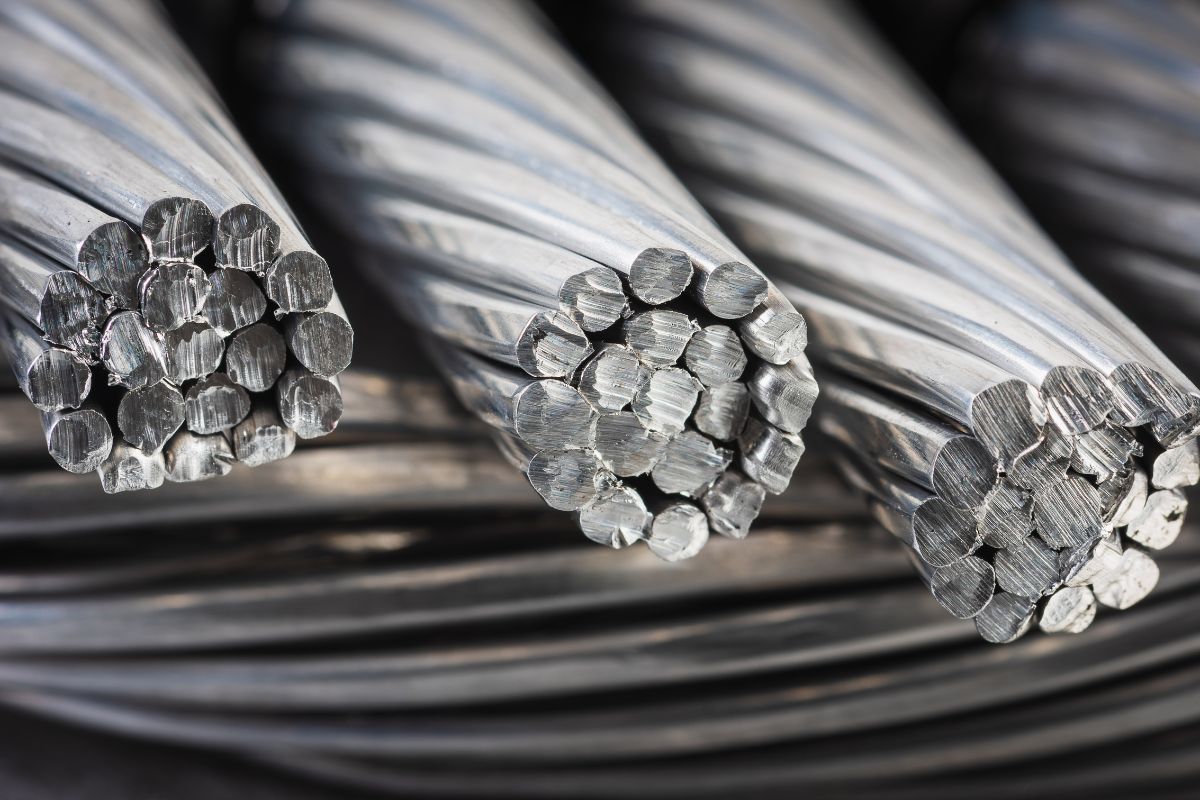
Electric utilities are being asked to accomplish more with transmission infrastructure that, in many cases, was designed decades ago. Rising electricity demand, renewable energy integration, large industrial loads, and the electrification of transportation are placing increasing pressure on transmission networks that are already operating near their thermal limits. Traditionally, increasing transmission capacity meant constructing new lines or replacing existing structures.
While these approaches remain necessary in some situations, they are often constrained by permitting requirements, right of way acquisition, environmental reviews, and significant capital investment. As a result, many utilities are prioritizing reconductoring projects that increase the performance of existing transmission corridors. Advances in conductor technology have made this strategy increasingly attractive, particularly with the development of Aluminum Encapsulated Carbon Core (AECC) conductors.
A Different Approach to High Capacity Transmission
Conventional ACSR conductors rely on a steel core to provide mechanical strength. Although proven over decades of service, steel cores contribute to conductor weight and experience greater thermal expansion as operating temperatures increase. This expansion leads to higher sag, which can become a limiting factor when utilities attempt to increase line loading. AECC conductors replace the traditional steel core with a carbon composite core that is fully encapsulated in aluminum.
The carbon core provides exceptional tensile strength while exhibiting very low thermal expansion. The aluminum encapsulation improves compatibility with conventional conductor construction and installation practices. The result is a conductor capable of carrying significantly higher electrical loads while maintaining lower sag under elevated operating temperatures.
Capacity Gains Without Rebuilding the Grid
One of the most significant advantages of AECC technology is its ability to increase transmission capacity while making use of existing infrastructure. Many reconductoring projects can reuse transmission towers, foundations, and rights of way, avoiding extensive structural modifications that would otherwise increase project costs and schedules. Depending on system conditions, utilities can often achieve two to three times the capacity of traditional ACSR conductors without constructing entirely new transmission corridors.
For utilities facing transmission congestion, this approach provides a practical method of increasing power transfer capability while minimizing disruption to existing assets. These improvements also support greater operational flexibility by allowing more generation to reach load centers without immediately requiring additional transmission construction.
Simplifying Installation and Maintenance
Earlier generations of advanced conductors demonstrated the performance benefits of composite core technology, but some introduced new installation requirements, specialized hardware, or maintenance procedures that differed from traditional conductor systems. AECC technology was developed with compatibility in mind. Because it is designed to work with standard ACSR and ACSS installation and maintenance practices, utilities can often use familiar equipment, established work methods, and experienced line crews.
This compatibility reduces implementation complexity, simplifies project planning, and can shorten construction schedules by eliminating the need for extensive retraining or specialized installation techniques. For utilities managing large capital programs, these practical considerations are often just as important as conductor performance.
Supporting Long Term Grid Modernization
Transmission engineering has shifted from simply replacing aging assets to maximizing the performance of existing infrastructure. Every upgrade must balance cost, schedule, reliability, and future capacity requirements. Modern advanced transmission conductors are becoming an essential tool for achieving those objectives.
By increasing ampacity, reducing thermal sag, lowering electrical losses, and enabling the continued use of existing transmission structures, AECC conductors help utilities address today’s operational challenges while preparing the grid for future demand. As transmission planning continues to evolve, conductor selection is becoming a strategic engineering decision rather than a routine material specification. Utilities are increasingly evaluating technologies that deliver measurable capacity improvements without introducing unnecessary construction complexity or extending project timelines.
For many transmission projects, Aluminum Encapsulated Carbon Core conductors represent a practical evolution in conductor design, combining higher electrical performance with compatibility that fits established utility construction and maintenance practices. As utilities continue investing in grid modernization technology, this combination of performance, efficiency, and implementation simplicity is reshaping how transmission upgrades are planned and delivered.

Leave a Reply
You must be logged in to post a comment.