The Most Overlooked Causes Behind Rising Air Conditioning Energy Costs
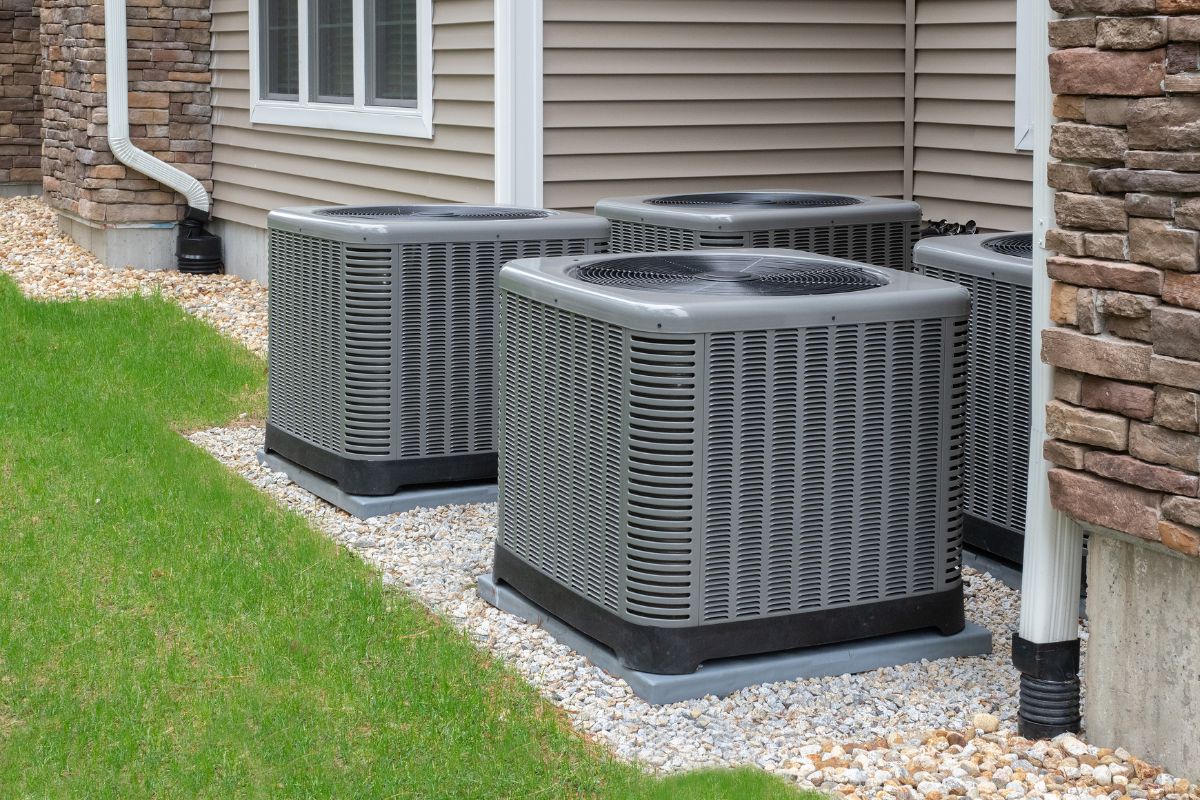
When air conditioning energy costs begin to rise, many property owners immediately assume the equipment is old or inefficient. While aging systems can certainly contribute to higher operating expenses, several less obvious issues can force an air conditioner to work harder than necessary.
A cooling system depends on many connected components working together. Problems with airflow, maintenance, electrical performance, or system settings can reduce efficiency and increase energy consumption even when the equipment appears to be running normally.
Restricted Airflow Creates Unnecessary Strain
One of the most common overlooked causes of higher cooling costs is restricted airflow. A dirty air filter, clogged ductwork, blocked vents, or buildup on internal components can prevent conditioned air from moving efficiently throughout a property.
When airflow is reduced, the system may run longer cycles to reach the desired temperature. This added runtime increases energy use and places additional stress on major components. Routine HVAC services can help identify airflow restrictions and keep the system operating efficiently.
Regular filter replacement and professional inspections are especially important for properties with high occupancy, pets, dust concerns, or heavy seasonal use.
Dirty Coils Reduce Cooling Efficiency
Air conditioning systems rely on evaporator and condenser coils to transfer heat effectively. Over time, dirt and debris can accumulate on these surfaces, reducing their ability to absorb and release heat.
A dirty evaporator coil may limit cooling capacity, while a dirty outdoor condenser coil can make it harder for the system to release heat. When this happens, the compressor and other components must operate longer to maintain indoor comfort.
Preventative care, including preventative HVAC maintenance services, helps address coil buildup before it affects performance and energy consumption.
Thermostat Problems Can Increase Energy Use
A thermostat may seem like a small part of an HVAC system, but inaccurate readings or poor settings can lead to unnecessary cooling cycles. A AC thermostat placed near heat sources, exposed to direct sunlight, or experiencing calibration issues may cause the air conditioner to run more often than needed.
Modern control options and proper thermostat placement can improve temperature management and help prevent wasted energy.
Aging Components and Hidden Mechanical Issues
As HVAC equipment ages, individual components may lose efficiency. Refrigerant leaks, electrical problems, worn motors, and compressor issues can all affect how much energy a system uses.
A system does not always stop working when a problem develops. Sometimes, it continues operating while consuming more energy than normal. Professional HVAC repair can help diagnose performance issues and determine whether a repair or system replacement is the better option.
Poor Ductwork Performance
Conditioned air can be lost before it ever reaches living or working spaces. Leaky, damaged, or poorly insulated ductwork can reduce system efficiency by allowing cooled air to escape.
Uneven temperatures, weak airflow, and rooms that remain uncomfortable despite constant operation may indicate duct-related problems. Evaluating duct performance is an important part of complete air conditioning services.

Leave a Reply
You must be logged in to post a comment.