The Everyday T-Shirt: How to Pick One That Fits, Feels and Lasts
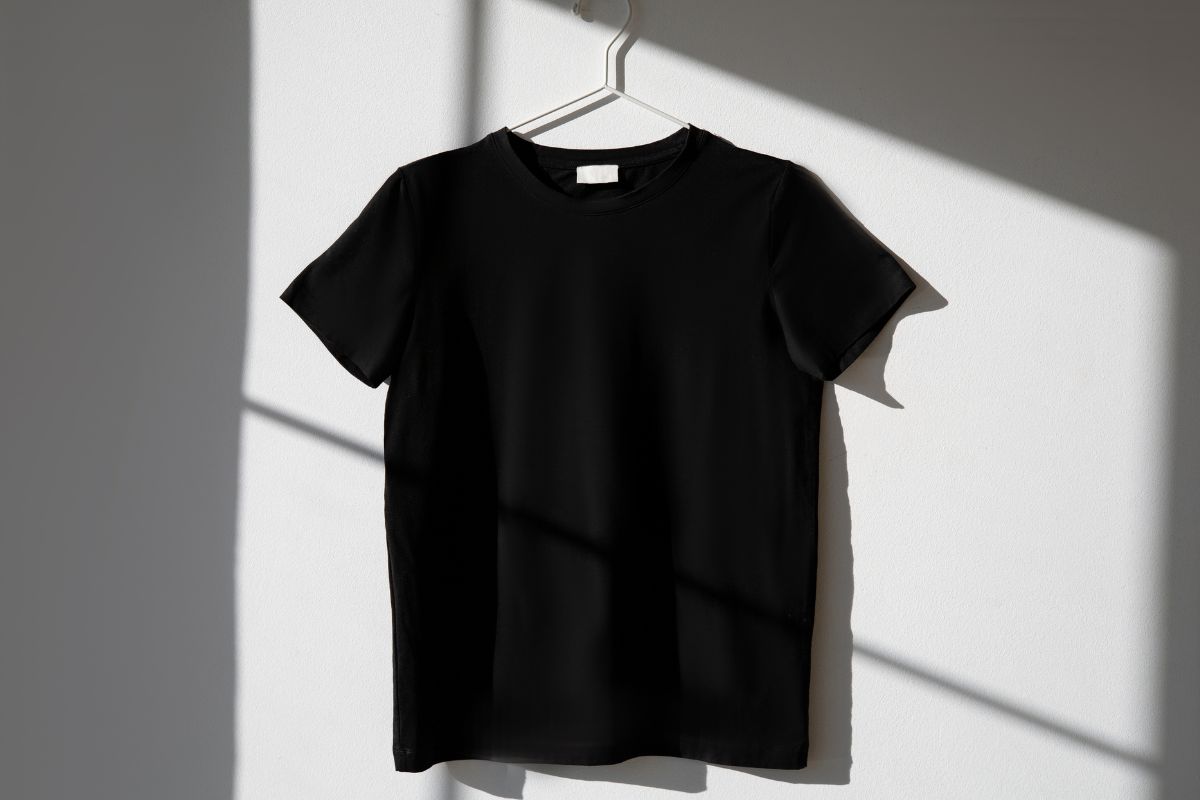
Most wardrobes hold more T-shirts than anything else, yet most of us still reach for the same two or three. The rest sit folded in a drawer, waiting for a day that never comes. The difference between the shirts you wear every week and the ones you forget is rarely the logo on the chest. It comes down to fit, fabric and a handful of small details you can check in under a minute in the shop. Get those right and one good tee does more work than five average ones.
1. Get the shoulders right
The shoulder seam is the first thing to check, and it tells you almost everything about how a shirt will sit. It should rest right on the edge of your shoulder bone — not drooping halfway down your arm, and not pulling in toward your neck. If the seam hangs off your shoulder, the whole shirt will look a size too big, even if the body fits. If it pulls inward, the chest and sleeves will tug every time you move. Stand straight, look in a mirror and check the seam before you check anything else. A shirt that fits your shoulders usually needs no belt-and-braces fix later, like tucking or rolling, to look right.
2. Feel the fabric, then check the weight
Hold the shirt up to the light. If you can see your hand through it clearly, the fabric is too thin for everyday wear — it will cling, show every crease and wear through at the elbows within a season. A good everyday tee uses cotton around 160 to 200 grams per square metre: heavy enough to hold its shape, light enough to wear under a jacket. Run your fingers across the surface.
It should feel smooth, not scratchy, and it should spring back when you pinch it rather than holding a hard crease. Blends with a little elastane keep their shape better after washing, but pure cotton usually feels better against the skin on a hot day.
3. Look at the collar
The collar is where cheap shirts give themselves away. A good collar lies flat, keeps its shape after washing and does not flap open at the front. Ribbed crew necks hold up best for most people; a collar that is too wide will sag and make the shirt look tired before you have worn it twice. Give the collar a gentle stretch in the shop. If it does not snap back, it will not survive many washes. A reinforced strip of tape inside the back of the neck is a good sign — makers add it because they expect the shirt to last.
4. Mind the length and the sleeves
A T-shirt should cover your waistband when you raise your arms, but it should not hang halfway to your knees. Stand with your arms at your sides: the hem should sit just below your belt, around mid-fly. Any longer and the shirt bunches under a jacket; any shorter and it rides up every time you sit down. Sleeves should end around the middle of your upper arm. Sleeves that end at the shoulder make your arms look shorter, while sleeves that reach the elbow look like you borrowed the shirt from someone bigger. A gentle taper through the body keeps the shirt neat without squeezing.
5. Buy colours you will actually wear
White, black, navy and grey cover almost every outfit, so build your rotation around them before you buy a bright colour. White shows every stain, so buy a slightly heavier white tee and keep it for days when you will not be eating over it. Black hides marks but fades with washing, so wash it inside out in cold water. Navy is the most forgiving of the three: it goes with jeans, chinos and shorts, and it hides wear better than either white or black. One or two accent colours — olive, burgundy or a muted rust — are enough to keep the rotation interesting. A navy tee also layers neatly under a hoodie on cold mornings — the Ami Paris hoodies are cut to sit over a tee without bunching at the waist.
6. Wash it like you want it to last
Most T-shirts die in the laundry, not on your back. Wash them inside out in cold water and skip the tumble dryer when you can; heat breaks down cotton fibres and shrinks the body, so a shirt that fit in the shop feels tight after three washes. Hang the shirt to dry by the hem, not by the shoulders, so the weight of the wet fabric does not stretch the neck.
Fold it instead of hanging it: hangers create pointed shoulders on soft cotton. If a shirt does shrink, a gentle stretch while it is still damp usually brings back most of the length. The same cold wash keeps knitwear in shape too; give the Ami Paris cardigans the same treatment and they will hold their shape for years.
7. How many do you need?
For most people, seven good tees cover a week with one in the wash and one spare. Count how many you actually wear in two weeks and buy toward that number, not toward the size of the drawer. A smaller rotation of shirts you love beats a full drawer of shirts you tolerate, and it costs less over a year because you are not replacing thin shirts every few months. When you find a fit that works, buy the same shirt in two or three colours instead of gambling on a new cut each time.
The best test of a T-shirt is simple: put it on, walk around the shop, sit down and raise your arms. If you stop thinking about it, it fits. If you keep tugging at the hem or the collar, put it back. When you want a benchmark for what a well-cut everyday tee should feel like, look at the Ami Paris T-shirts collection — the cut, the fabric weight and the collar finish show what to look for before you spend anything. Buy fewer, buy better, and the shirt you reach for every morning will be the one that was worth the money.

Leave a Reply
You must be logged in to post a comment.