Is Waxing Still Necessary for Modern Commercial Floors?
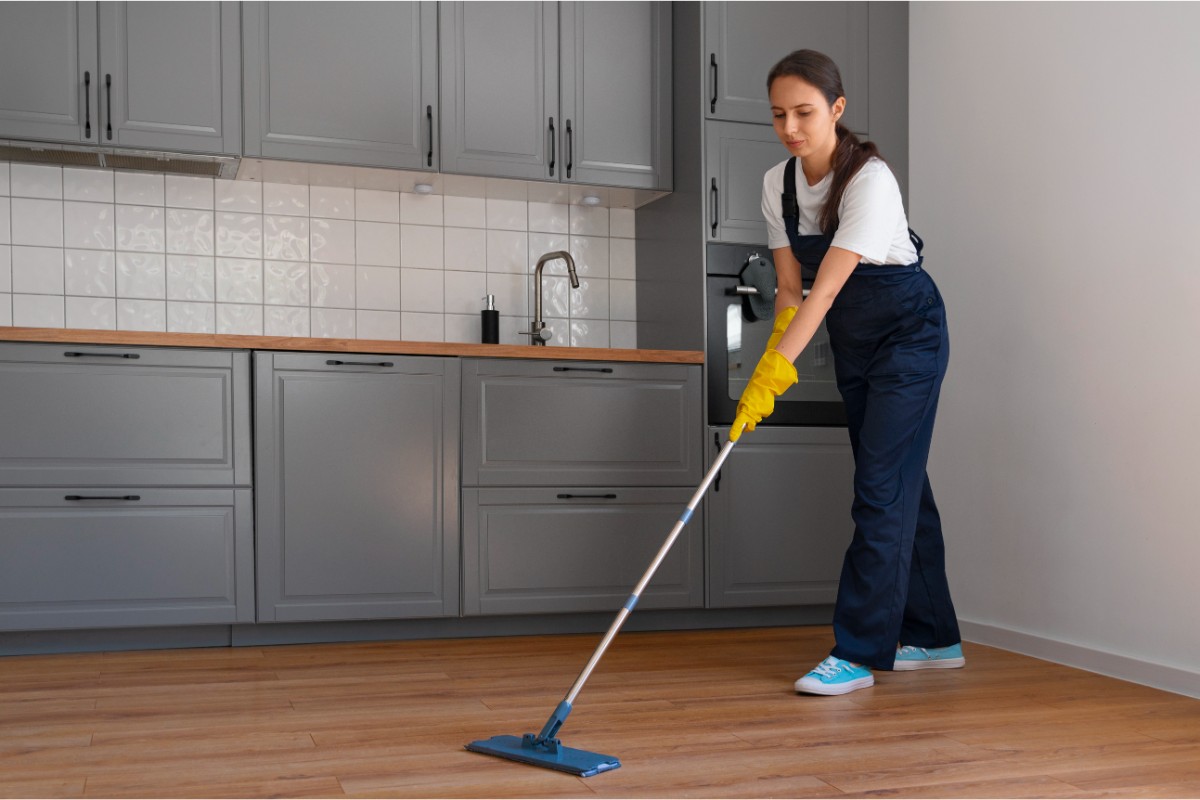
Short answer: sometimes. Real answer: it depends on your floor type, how much traffic you get, and how shiny you want things to look. A lot of folks still say “wax,” but most buildings today use acrylic floor finish or a factory coating—not old-school paste wax. Here’s a quick, no-nonsense guide to help you decide what your space actually needs.
“Wax” vs. “Finish” (and why it matters)
When people say “wax,” they usually mean a clear acrylic finish that’s applied in thin coats and later burnished for gloss. Over time it scuffs and dulls, so you scrub and recoat (add a new coat) or, if it’s really beat up, strip and refinish. That’s the cycle that drives time and cost.
Plenty of newer floors are sold as “no-wax,” which really means: “clean me right and don’t coat me unless the manufacturer says it’s okay.”
Floor-by-floor rundown
Use this as a quick sorting hat. If you’re unsure what you have, check a spare tile, invoice, or ask whoever installed it.
VCT (Vinyl Composition Tile)
- Typical answer: Yes, use finish.
- Why: Raw VCT is porous and chalky; finish protects it and gives you gloss.
- Upkeep: Daily dust mop/autoscrub, periodic scrub & recoat, occasional strip & refinish.
LVT/LVP (Luxury Vinyl Tile/Plank)
- Typical answer: Usually no wax.
- Why: Many come with a factory urethane/PUR coating. A topical finish can void warranties or look plasticky if it builds up.
- Exception: High-abuse areas might get a compatible protective coat (check the manufacturer first).
Sheet Vinyl
- Typical answer: Mixed. Older or non-PUR sheet often gets finish; many modern sheets don’t need it.
- Tip: If you see scuffing that won’t clean out, a light, approved protective coat can help.
Rubber
- Typical answer: No finish in most cases.
- Why: Rubber is dense and meant to be clean-and-go. Use neutral cleaner; avoid solventy stuff that leaves a film.
- Exception: Some facilities add a protective coat for heavy cart traffic—only if approved.
Linoleum
- Typical answer: Often benefits from a protective finish.
- Caution: High-alkaline strippers can damage it; keep cleaners neutral and follow the product guide.
Polished Concrete
- Typical answer: No wax.
- Why: You maintain it with autoscrubbing, periodic burnishing, and occasional guard/sealer reapplication—not acrylic finish.
- Good for: Big lobbies, warehouses, and areas that like a satin-to-high glow without plastic build.
Terrazzo & Natural Stone
- Typical answer: Skip acrylic finish when you can.
- Why: These shine by honing/polishing; use an impregnating sealer for stain resistance.
- Note: If you inherit a coated stone/terrazzo, a controlled strip and repolish can bring it back.
Ceramic/Porcelain with Grout
- Typical answer: No finish.
- Why: Glazed tile doesn’t hold finish well and can get slippery.
- Focus: Deep-clean the tile; seal the grout so it doesn’t stain.
Epoxy/Urethane Floors
- Typical answer: No finish.
- Why: They’re built to be cleaned, not coated. If they dull, look at deep cleaning or a manufacturer-approved topcoat—not generic “waxing.”
Wood/Gym Floors
- Typical answer: No wax.
- Why: Use screen-and-recoat with water- or oil-borne urethane as needed. Waxing can complicate future recoats.
How to decide without guessing
- What’s the material? Identify it first. That alone answers most questions.
- What look do you want? Mirror-gloss lobby vs. low-sheen, easy-care.
- What’s the traffic? Forklifts, heels, rolling chairs, winter salt—each leaves different marks.
- What’s the warranty say? Some floors are picky; using the wrong product can void coverage.
- What’s the maintenance budget? Coated floors often need burnishing and periodic recoats; no-wax floors save labor but may need deeper cleans.
If you do use finish, do it right
- Prep is everything. Scrub/strip thoroughly, rinse well, and let it dry. Residue under finish = cloudy floors.
- Thin, even coats. Usually 3–5, depending on traffic and gloss goals.
- Burnish to maintain. Keeps the shine and extends time between recoats.
- Plan the cycle. Daily care → periodic scrub & recoat → rare full strip when all else fails.
If you don’t use finish, keep these habits
- Autoscrub or mop with neutral cleaner. Don’t nuke the floor with high-alkaline products.
- Entry mats matter. Three-stage matting (outside scraper, vestibule brush, interior carpet) cuts soil by a lot.
- Spot care beats panic care. Address marks, salt, and spills before they etch or stain.
- Periodic deep cleans. Slurry scrub, hot water rinse, and, if applicable, reapply sealer/guard.
Safety notes (because shiny isn’t worth a fall)
-
More gloss can look cleaner but may feel slick if the wrong pad, product, or coat is used.
-
Check slip resistance where moisture is common (entrances, café areas).
-
Never coat stair treads or ramps with something that reduces traction.
A simple example schedule
Coated VCT lobby
- Daily: Dust mop + autoscrub
- Weekly: Burnish
- Monthly/Quarterly: Scrub & recoat (1–2 coats)
- Annually (or when needed): Strip & refinish
No-wax LVT office
- Daily: Dust mop/vacuum + damp mop or autoscrub
- Quarterly: Deep clean; inspect for scuffs
- As needed: Manufacturer-approved protective treatment (only if allowed)
Budget talk, minus the fluff
Finishes look great but come with labor: burnishing, recoating, and the occasional strip. No-wax floors save time day to day but may need scheduled deep cleans to avoid a dull film. Do the math for your space: square footage, traffic, staff time, and how picky the area is about looks.
Where services fit in
If you work with Commercial Cleaning Services or bring in floor Cleaning services for the heavy lifting, share the floor types you have and what finish or sealer (if any) is on them now. A quick walkthrough and a tiny test patch can confirm whether a coat is worth it—or if a deep clean and sealer will do.
Quick checklist you can copy
- Identify every floor type in the building
- Check manufacturer guidance/warranty notes
- Decide on gloss level per area (lobby ≠ warehouse)
- Pick daily care products (neutral pH) and pads/brushes
- If coating: set burnish + scrub/recoat intervals
- If no coating: set deep clean + sealer/guard intervals
- Lock in entry matting and spill response habits
- Track results with simple photos and notes
Bottom line
Waxing isn’t “dead,” but it’s not automatic either. Some floors shine with a well-kept finish; others stay happier—and safer—without one. Figure out what you’re standing on, match the care to the material, and you’ll spend less time fighting floors and more time enjoying a clean space.
Summary
Wax floors? Sometimes. It depends on floor type, traffic, and gloss needs—use finish only when it truly helps.
Source
https://www.interworldcleaning.com/services/floor-cleaning/

Leave a Reply
You must be logged in to post a comment.