Protect Your Hands with SafeNsure Hand Protection- Ultimate Safety for Work
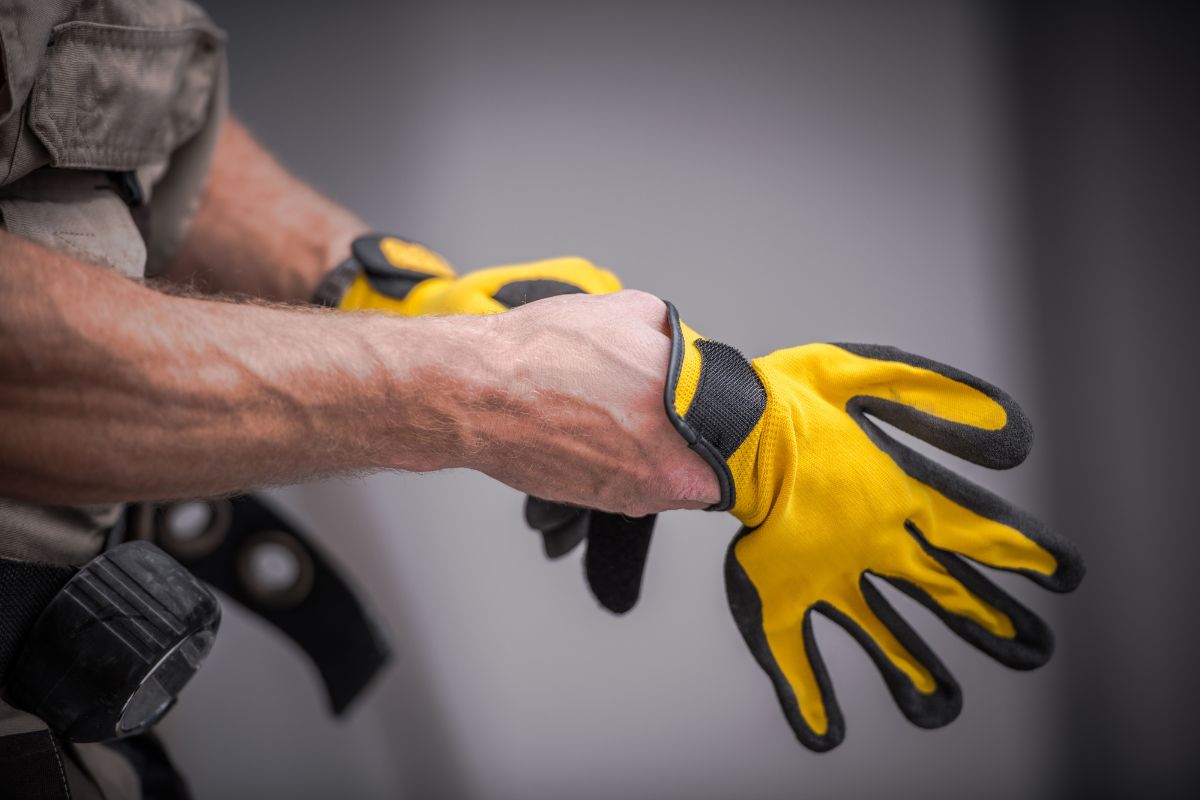
Introduction Hands are fundamental tools for almost every human activity—work, recreation, caregiving, and daily living. Because they are so frequently used and often exposed, hands are also especially vulnerable to injury, contamination, and long‑term damage. SafeNsure, a concept and product line centered on safety hand protection, addresses these risks through thoughtfully designed gloves, protocols, and education.
This essay examines the importance of hand protection, the principles behind effective safety glove systems, typical product categories and their uses, selection and maintenance best practices, and the organizational benefits of a robust hand‑protection program. Why Hand Protection Matters Hand injuries are among the most common workplace incidents worldwide, ranging from minor cuts and abrasions to severe lacerations, crush injuries, amputations, and chemical burns.
Beyond immediate physical harm, hand injuries can cause long recovery times, permanent disability, lost wages, decreased productivity, and psychological impacts. In healthcare and food industries, hands can also transmit pathogens and contaminants, creating public‑health risks. Effective hand protection reduces injury rates, protects public safety, minimizes downtimes, and demonstrates commitment to employee welfare and regulatory compliance.
Principles of Effective Hand‑Protection Systems SafeNsure Emphasizes Several Core Principles to Ensure Hand Safety
- Hazard assessment: Identify mechanical, thermal, chemical, electrical, biological, and ergonomic risks specific to tasks and environments. Accurate hazard profiling guides appropriate glove selection and use.
- Risk‑appropriate selection: Choose gloves that match the hazards—cut resistance where sharp edges exist, chemical resistance when handling solvents, thermal protection for heat or cold, and puncture resistance for sharps. Consider dexterity, tactile sensitivity, and grip so that protection does not compromise safe task performance.
- Standards and certification: Use gloves tested to recognized standards (e.g., EN 388 for mechanical risks, EN 374 for chemicals and microorganisms, ANSI/ISEA cut ratings) to verify performance claims and ensure consistent protection.
- Training and culture: Provide training on correct glove use—donning/doffing, when to change gloves, disposal, and the limitations of protection. Foster a safety culture where appropriate glove use is expected and enforced.
- Fit and comfort: Proper fit reduces the temptation to remove gloves and improves control and comfort. Offering multiple sizes and ergonomic designs increases compliance.
- Maintenance and replacement: Implement inspection, cleaning, and replacement schedules. Gloves degrade with use and exposure; visibly damaged or contaminated gloves must be replaced promptly.
- Integration with other controls: Gloves are part of a broader hierarchy of controls. Engineering and administrative controls should reduce reliance on PPE when feasible.
Product Categories and Applications SafeNsure Products Span a Range of Glove Types Tailored to Particular Hazards
- General‑purpose work gloves: Made from leather, canvas, or coated textiles, these provide abrasion resistance and grip for construction, material handling, and outdoor work.
- Cut‑resistant gloves: Constructed from high‑performance fibers (e.g., HPPE, aramid) sometimes combined with metal or composite reinforcements, these gloves protect against lacerations in manufacturing, glass handling, and food processing.
- Chemical‑resistant gloves: Nitrile, neoprene, PVC, butyl rubber, and specialized laminates are selected based on chemical compatibility charts to guard against solvents, acids, and other hazardous substances used in laboratories, cleaning, and industrial processes.
- Disposable medical/surgical gloves: Latex, nitrile, and vinyl gloves protect patients and caregivers from biological hazards while ensuring sterility and tactile sensitivity.
- Thermal gloves: Insulated or aluminized gloves provide protection against extreme heat or cold for foundries, welding, and cold‑chain logistics.
- Impact and crush‑resistant gloves: Gloves with reinforced palms, finger guards, and padding reduce trauma risks for heavy equipment operators and mechanics.
- ESD (electrostatic discharge) gloves: Used in electronics assembly to prevent static damage to sensitive components.
- Specialty gloves: Needle‑puncture resistant, vibration‑damping, or multi‑task hybrid gloves designed for niche needs.
Selection and Implementation Best Practices Selecting the right SafeNsure Glove involves a Structured Approach
- Conduct a detailed task and hazard analysis.
- Match glove performance characteristics (cut, puncture, chemical, thermal, dexterity) to identified hazards.
- Check standards/certifications and consult compatibility charts for chemicals.
- Trial gloves with end users to assess fit, comfort, dexterity, and grip in actual conditions.
- Provide training on correct usage and limitations.
- Establish storage, inspection, cleaning, and replacement protocols.
- Monitor usage and injury data, and iterate selection or processes as needed.
Limitations and Human Factors No glove can eliminate all risk. Overreliance on gloves can create hazards if workers take unnecessary risks (risk compensation). Gloves also reduce tactile sensitivity and can become contaminated, so adherence to safe practices—such as handwashing, avoiding cross‑contamination, and replacing compromised gloves—is essential. Organizational commitment, continuous training, and user feedback are critical to overcoming human factors that undermine glove effectiveness.
Organizational and Economic Benefits Investing in a SafeNsure hand‑protection program yields measurable returns: fewer injuries mean lower workers’ compensation costs, reduced lost workdays, higher productivity, and improved morale. Compliance with regulatory standards avoids fines and reputational damage. Moreover, visible, well‑implemented hand‑protection measures signal a company’s commitment to safety, which can enhance recruitment and customer trust.
Conclusion
Hands deserve careful protection because their loss or impairment has profound personal, operational, and economic consequences. SafeNsure, as a holistic approach combining appropriate glove technology, rigorous hazard assessment, standards compliance, user training, and maintenance, offers an effective framework for reducing hand injuries and exposures.
By prioritizing fit, functionality, and education—and integrating gloves into broader hazard control strategies—organizations can protect their most versatile and valuable tools: their workers’ hands.
Summary
Safeguard your hands from harm with SafeNsure Hand Protection. Our high-quality gloves provide superior protection for all your activities. Trust in SafeNsure for the ultimate hand safety solution.
Source
https://safensure.co.in/

Leave a Reply
You must be logged in to post a comment.