How Do You Clean Pet Hair From High-Touch Surfaces?
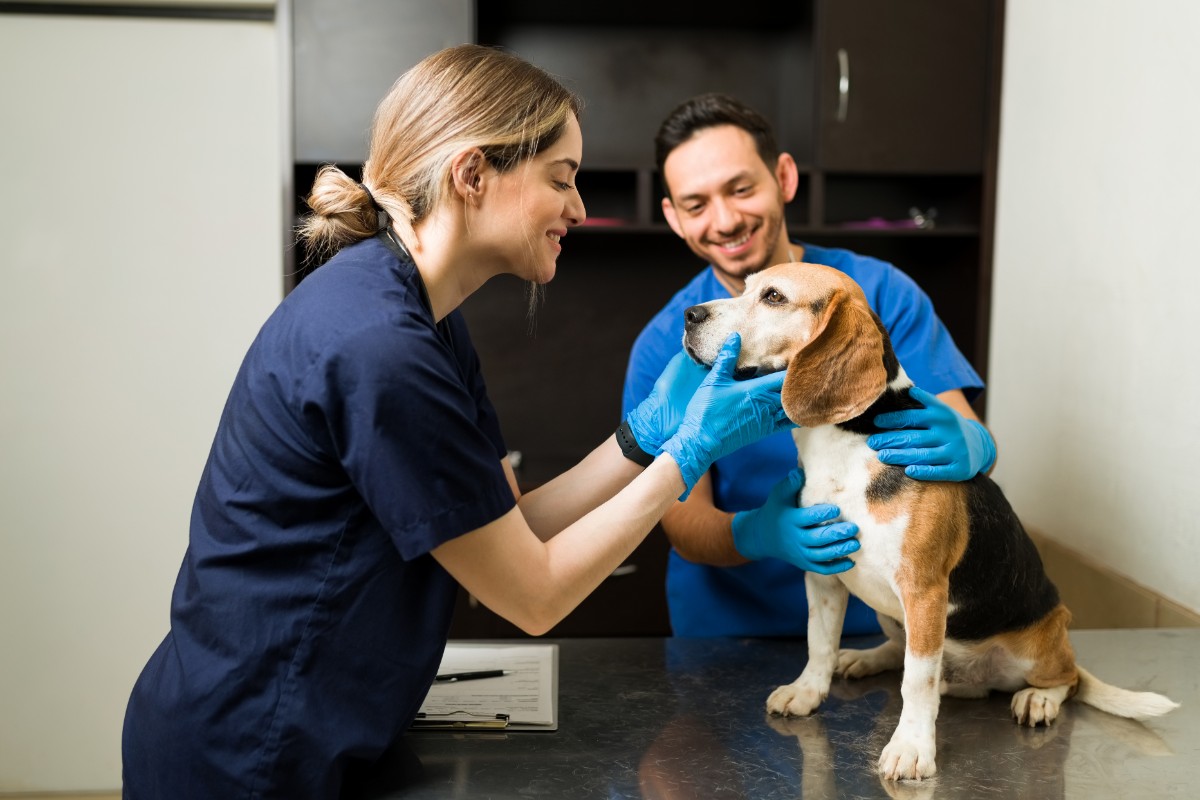
If you’ve ever worked in a place where pets come and go all day (or you just have a shedding champion at home), you know this truth: pet hair doesn’t only live on floors. It floats. It clings. It somehow ends up on everything you touch—front desk counters, phones, chairs, door handles, even the keyboard you swear you just cleaned.
And in busy spaces like vet clinics, grooming shops, pet-friendly offices, or animal shelters, hair on high-touch surfaces isn’t just “messy.” It makes the whole space feel less clean, fast.
Here’s the practical, low-stress way to handle it—without smearing hair around or turning cleaning into an all-day fight. (This is basically the backbone of good Veterinary Office Cleaning, but it works anywhere.)
Why high-touch surfaces are the hardest place for pet hair
Floors are straightforward: vacuum, mop, done.
High-touch surfaces are tricky because:
-
Hair mixes with skin oils from hands and turns into little “sticky” clumps.
-
Static makes hair cling to plastic, screens, and upholstery.
-
Quick wipes often push hair around instead of picking it up.
-
Disinfecting too soon can glue loose hair into a gross film.
The best order is: remove hair first, then clean, then disinfect (if needed for the space).
Step 1: Start with the right tools (this matters more than the spray)
You don’t need a fancy setup, but a few basics make a huge difference:
Hair-removal tools
-
Microfiber cloths (a bunch of them)
-
Lint roller (great for chairs, fabric panels, uniforms)
-
Rubber gloves or a rubber “pet hair” brush (magic on fabric)
-
Vacuum with a brush attachment (bonus points if it has a HEPA filter)
Cleaning + disinfecting basics
-
A gentle all-purpose cleaner (safe for the surface type)
-
A disinfectant that’s appropriate for the area (follow label directions)
-
Disposable wipes can help, but they’re not always great at hair pickup
Pro tip: Keep a “hair cloth” and a “cleaning cloth.” If you do everything with one cloth, you’ll just redeposit hair while you wipe.
Step 2: Hit high-touch surfaces in the right order
This is the simple routine that stops the “I cleaned it and it still looks hairy” problem:
1) Dry pick-up first
Before any liquids:
-
Use a dry microfiber to grab loose hair.
-
For textured surfaces, use a vacuum brush attachment.
-
On fabric (chairs, waiting area seating), use a lint roller or rubber glove trick:
-
Put on a slightly damp rubber glove and wipe in one direction.
-
The hair balls up, and you can pick it off.
-
2) Clean second
Once the hair is mostly gone:
-
Spray cleaner onto the cloth, not directly on the surface (less overspray, less mess).
-
Wipe in one direction, then fold the cloth and wipe again with a clean side.
3) Disinfect last (only where it makes sense)
In places where disinfecting is part of your routine (like exam rooms, front desk pens, door pulls, etc.):
-
Apply disinfectant and let it sit for the contact time listed on the label.
-
Don’t rush this part. If it says 1–10 minutes, that time is doing the work.
If you’re in a pet environment, avoid heavy fragrance and be mindful about aerosols around animals.
Step 3: Focus on the “hair magnets” people touch all day
Here’s where pet hair loves to collect—and how to handle each one.
Phones, keyboards, and screens
These are the worst because hair sticks to oils and static.
-
Use a dry microfiber first.
-
For keyboards: vacuum brush attachment or compressed air (lightly), then wipe the keys.
-
For screens: use a screen-safe cleaner (or a barely damp microfiber) to avoid streaks.
Door handles, push plates, light switches
-
Dry microfiber quick pass to grab hair.
-
Then wipe with cleaner and disinfect (if your setting requires it).
Front desk counters and transaction areas
Hair tends to gather along edges and corners.
-
Vacuum brush or dry microfiber first.
-
Then cleaner, then disinfect.
Chairs and fabric seating
-
Lint roller works fast.
-
Rubber glove wipe for heavier buildup.
-
Vacuum brush for seams and creases (that’s where hair hides).
Leashes hooks, clipboards, pens, and shared items
These don’t look “hairy” until you catch them in the light.
-
Quick dry wipe.
-
Then disinfect if shared between people.
Step 4: Make it easier with a simple daily schedule
You don’t need to deep-clean everything constantly. A rhythm helps:
2–3 times a day (quick passes)
-
Front desk counter
-
Door handles
-
Phones (if shared)
-
Waiting area chair arms
-
Checkout/transaction area
Once daily
-
Keyboards and mice
-
Light switches
-
Exam room touchpoints (if applicable)
-
Fabric seating lint-rolled
Weekly
-
Chair cushions and seams vacuumed
-
Baseboards spot-checked (hair drifts down there)
-
Vents/diffusers dusted (hair rides airflow)
This is also where having commercial cleaning services can help: they can handle the “weekly” stuff reliably, so your team isn’t trying to squeeze it in between actual work.
The mistakes that make pet hair worse
I’ve seen these a lot (and I’ve done a few myself):
-
Spraying first, then wiping: turns hair into damp fuzz that smears.
-
Using paper towels on everything: they don’t grab hair well; they push it.
-
One cloth for the whole room: you end up redistributing hair.
-
Skipping fabric: chairs can quietly make the whole place feel hairy again within an hour.
-
Overloading disinfectant: too much product can leave residue that attracts more dust and hair.
Quick “grab-and-go” checklist
If you want a simple routine your team can follow:
-
Dry microfiber: pick up hair
-
Vacuum brush: corners, seams, textured surfaces
-
Cleaner: wipe surfaces (fold cloth often)
-
Disinfect: only after hair is removed, follow contact time
-
Lint roll fabric seating + chair arms
-
Swap cloths often, toss dirty ones into laundry
Bottom line
Pet hair on high-touch surfaces is one of those things that quietly makes a space feel less clean, even if the floors look fine. The real trick is the order: remove hair first, then clean, then disinfect.
Summary
Veterinary Office Cleaning tips: remove pet hair first, then clean and disinfect with commercial cleaning services.
Source
https://www.interworldcleaning.com/

Leave a Reply
You must be logged in to post a comment.