Technical Insights Into Commercial Roof Failures
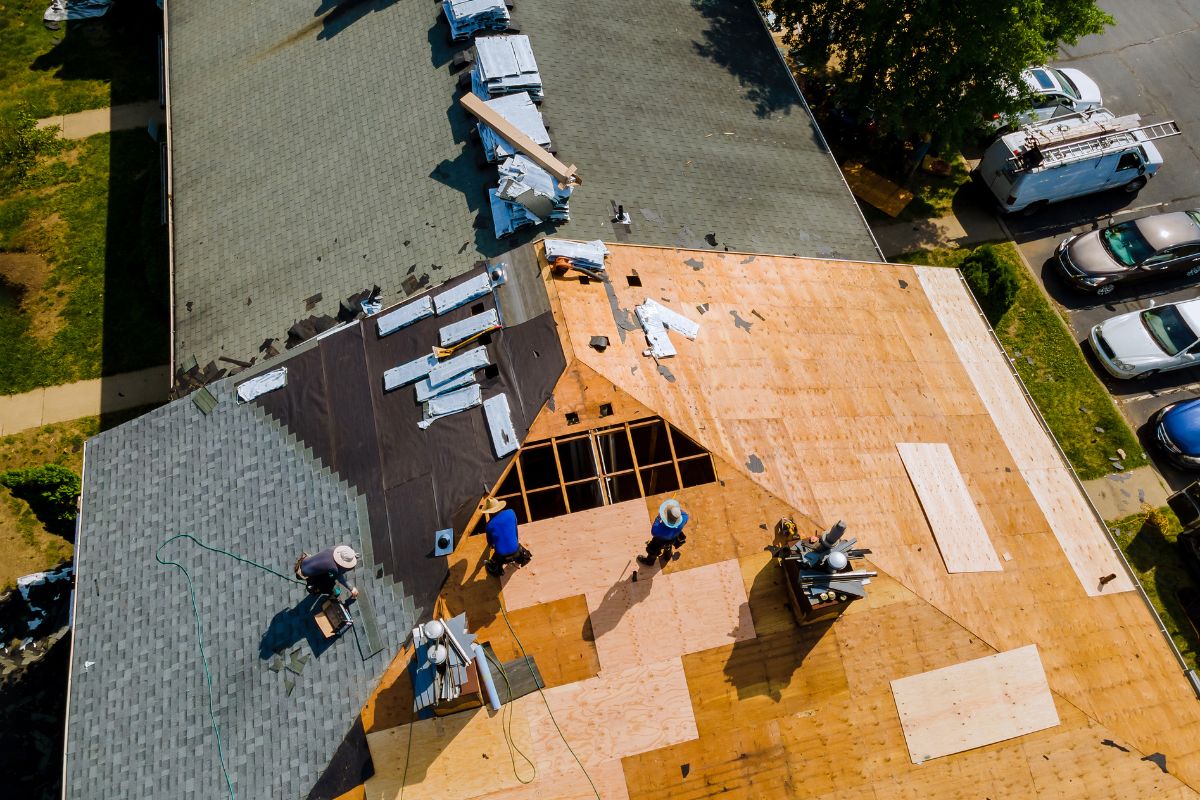
Commercial roofing systems are engineered to perform under constant environmental stress, yet many failures occur long before the projected lifespan is reached. In my experience, premature failure usually isn’t caused by one major event but by a series of overlooked technical issues. Improper drainage design, membrane shrinkage, flashing separation, and thermal movement all contribute to gradual deterioration. Experienced commercial roofing contractors understand that performance is directly tied to installation precision, substrate condition, and long-term maintenance planning not just material selection.
The Hidden Risk of Poor Water Management
One of the most underestimated technical risks in commercial roofing is poor water management. Flat and low-slope systems rely heavily on proper slope, internal drains, scuppers, and tapered insulation layouts. When drainage is compromised, even slightly, ponding water accelerates membrane breakdown, weakens seams, and increases structural load. Professional roofers often identify early-stage membrane blistering or seam fatigue as signs of chronic moisture exposure. These subtle indicators are easy to miss without routine inspections conducted by trained commercial roofing services.
Thermal Movement and Structural Stress
Another critical factor is thermal expansion and contraction. Roofing assemblies constantly expand and contract due to temperature fluctuations. If expansion joints are improperly designed or flashing details are poorly executed, stress points begin to form around penetrations and perimeter edges. Over time, this movement can lead to micro-tears and separation at termination bars. Skilled commercial roofing contractors account for building movement, material compatibility, and fastening patterns to reduce long-term stress on the system.
Importance of Material Compatibility
Material compatibility also plays a significant role in system longevity. Adhesives, insulation boards, vapour barriers, and membrane types must function as a cohesive assembly. When components are mismatched or installed without proper substrate preparation, adhesion failure becomes a serious risk. Professional roofers understand that long-term performance depends on correct layering, secure attachment methods, and manufacturer-approved installation practices. Commercial roofing services that prioritize technical accuracy over speed tend to deliver systems that meet or exceed expected service life.
Why Technical Expertise Matters
Commercial roofing performance is not just about installing a membrane; it is about managing structural dynamics, environmental exposure, and preventative maintenance strategies. Property owners who engage knowledgeable commercial roofing contractors for periodic system evaluations typically see fewer emergency failures and better lifecycle cost control. A technically sound roofing system protects not only the building envelope but also operational continuity, making proactive oversight a critical part of long-term asset management.

Leave a Reply
You must be logged in to post a comment.