Can Cleaning Services Help Pass Health Department Inspections?
- PROVIDED BY yegane jln
- February 16, 2026
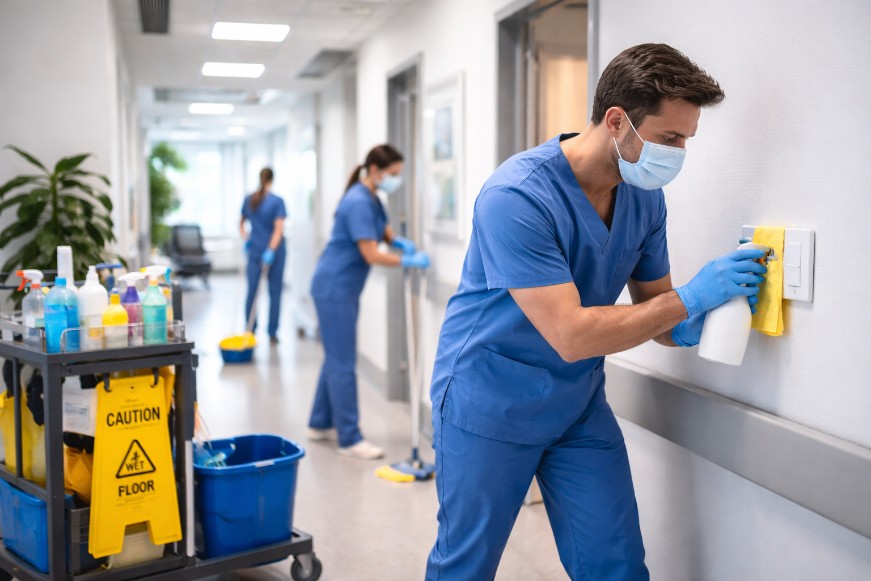
If you’ve ever had a health department inspection on the calendar (or worse… a surprise visit), you know the feeling. Suddenly you notice everything: the corners you don’t usually look at, the sticky spot under the hand soap dispenser, the “mystery dust” on top of the fridge, the floor edges that never get love.
So the big question: can cleaning services actually help you pass health department inspections?
Yes—but not in the “spray some nice-smelling cleaner and hope for the best” way. The real value is having the right routines in place all the time, so inspection day doesn’t feel like a panic sprint.
Let’s break it down in a practical way.
First, what inspectors usually care about (in plain language)
Inspections vary by industry and location, but most are looking for the same themes:
-
Cleanliness and sanitation (especially in restrooms, kitchens, patient-care areas, and high-touch points)
-
Cross-contamination prevention
-
Proper waste handling
-
Evidence of routine cleaning (not just a one-time deep clean)
-
Safe storage (supplies, chemicals, linens, food items, etc.)
-
Pest prevention (cleanliness plays a role here too)
A lot of inspection issues are not about “gross mess.” They’re about the small repeat offenders—buildup, missed corners, and inconsistent routines.
The short answer: cleaning services help most when they’re part of a system
A one-time clean the night before might make a place look better, but inspections are usually about more than appearances. What helps is:
-
consistent checklists
-
documented routines
-
clear responsibilities
-
trained people cleaning the right way
That’s where a good cleaning service can make a real difference—especially in places with strict standards like clinics, nursing homes, and anywhere hospital cleaning protocols matter.
1) High-touch areas: where inspections get picky (for good reason)
If you want to prioritize anything, prioritize what people touch all day:
-
door handles and push plates
-
light switches
-
railings
-
restroom fixtures
-
breakroom fridge handles / microwave buttons
-
reception counters
-
shared equipment (keyboards, phones, tablets, pens—yes, pens)
Inspections often zoom in on high-touch points because they’re linked to real health outcomes, not just “looking clean.”
A solid cleaning crew will have a routine for this and won’t treat it as an optional extra.
2) Restrooms and handwashing stations matter more than you think
If there’s one area that can hurt you fast during an inspection, it’s restrooms.
What gets flagged:
-
soap dispensers empty
-
paper towels missing
-
trash overflowing
-
grime around the base of toilets
-
buildup around sinks and faucets
-
floors that look clean until you look in the corners
Cleaning services can help here because restrooms aren’t just about “clean.” They’re about reliable restocking + detailed sanitizing + odor control.
3) Floors, corners, and “hidden” grime
A lot of places do a decent job on the obvious surfaces… and then lose points in the spots nobody notices until an inspector does:
-
floor edges behind doors
-
corners behind trash cans
-
under shelving
-
baseboards
-
behind appliances
-
vents and return grilles
-
buildup around drains (in certain facilities)
These areas don’t always look dramatic, but they can be enough to create a negative impression or trigger a closer look.
4) Trash handling and “smells” are bigger deals than people admit
Odors aren’t always an automatic fail, but they can signal problems: poor cleaning routines, waste not handled properly, or areas that aren’t being sanitized consistently.
A good service usually brings structure:
-
regular trash removal schedule
-
liner changes
-
wipe-down and sanitizing of bins
-
attention to “smell zones” (restrooms, breakrooms, mop closets)
It sounds basic, but it’s one of the easiest ways to avoid unnecessary inspection stress.
5) The best cleaning services don’t just clean—they help you stay inspection-ready
This is the part people don’t talk about enough. When you work with a long-term team, you can build an inspection-friendly routine like:
-
daily cleaning tasks vs weekly/monthly tasks
-
a checklist for closing shift
-
periodic deep cleaning (floors, vents, high dusting)
-
quick reporting if something looks off (leaks, mold risk, pests)
The goal isn’t to “clean for inspection.” It’s to keep the facility in a state where inspections aren’t scary.
If you’re ever hunting for the best cleaning company for a regulated environment, this mindset is what I’d personally look for: someone who can follow a routine and keep it consistent, not just show up and “do their thing.”
A quick “inspection-friendly” cleaning checklist (simple version)
If you want something you can actually use, here’s a basic list:
Daily
-
restrooms sanitized + restocked
-
trash removed + bins wiped
-
floors swept/vacuumed/mopped (as needed)
-
high-touch points disinfected
-
breakroom cleaned (counters, sink, microwave exterior)
Weekly
-
baseboards and corners
-
detailed floor edges and behind doors
-
glass/entry doors and smudge points
-
dusting of reachable ledges and vents
Monthly / Quarterly (depends on the site)
-
high dusting (tops of cabinets, shelves, beams)
-
deeper floor care (machine scrub, stripping/waxing when relevant)
-
vents/returns and fixture tops
-
behind large appliances and storage areas
If a cleaning service follows something like this (and sticks to it), inspections get easier.
One important note: cleaning can’t fix broken processes
This is worth saying: cleaning services help a ton, but they can’t fix everything.
If your facility has issues like:
-
poor storage habits
-
inconsistent staff hygiene policies
-
clogged drains / water leaks
-
pest problems that aren’t addressed
-
food handling issues (for kitchens)
…then cleaning is only one part of the puzzle.
But as a foundation? It’s a big one.
Bottom line
Yes—cleaning services can absolutely help you pass health department inspections, because they keep the building in a steady, inspection-ready state instead of scrambling the night before.
The real win is consistency: high-touch points handled daily, restrooms treated like a priority, corners and edges not ignored, and a routine that doesn’t collapse when things get busy.
If you tell me what type of facility you’re writing for (clinic, assisted living, restaurant, school kitchen, etc.), I can suggest a more specific checklist that fits typical inspection pressure points—without overcomplicating it.
Summary
Routine cleaning keeps high-touch areas, restrooms, and floors inspection-ready—less stress, fewer flags.
Source
https://www.interworldcleaning.com/

Leave a Reply
You must be logged in to post a comment.