Battery Recycling Logistics Market is Projected to Reach $5.6 billion by 2033
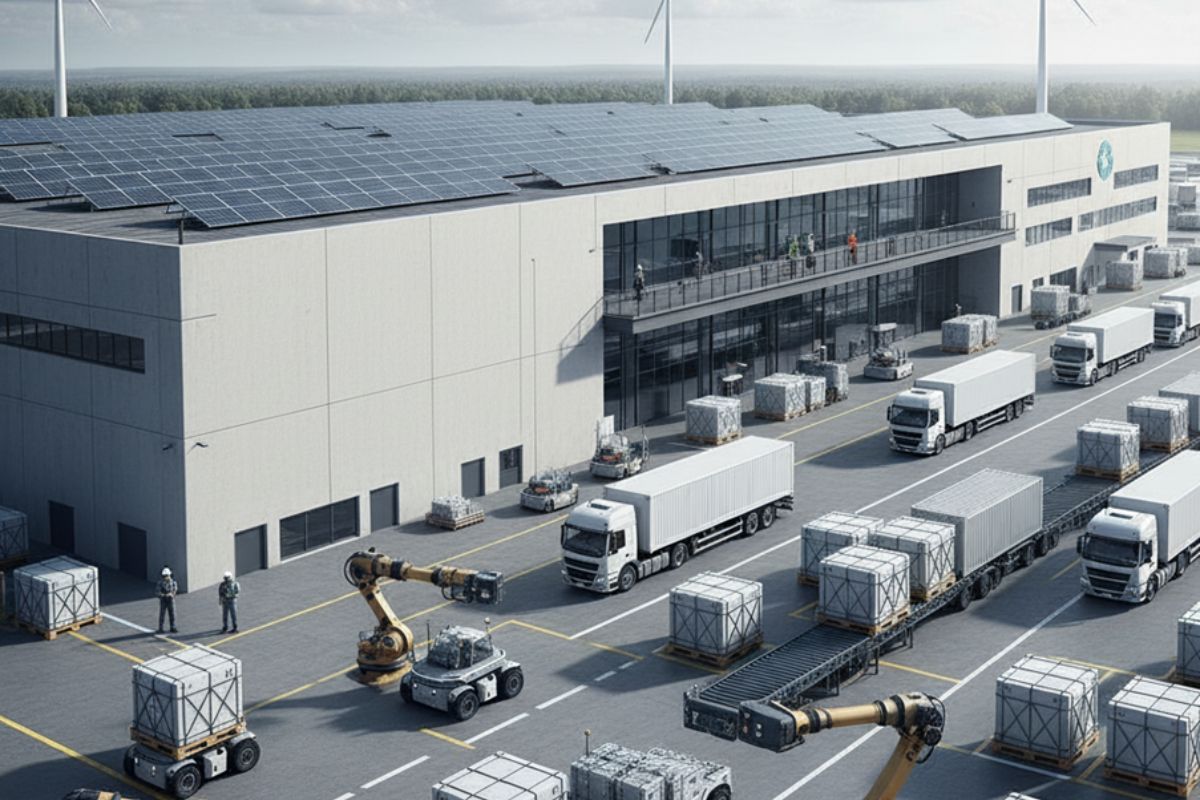
According to Research Intelo, the Global Battery Recycling Logistics market size was valued at $2.1 billion in 2024 and is projected to reach $5.6 billion by 2033, expanding at a CAGR of 11.2% during 2024–2033. This remarkable growth is primarily driven by the exponential increase in battery usage across automotive, industrial, and consumer electronics sectors, coupled with stringent regulations mandating responsible battery disposal and recycling.
As the global transition to electric vehicles (EVs) and renewable energy storage accelerates, the demand for efficient, safe, and sustainable battery recycling logistics solutions is surging. The sector’s expansion is further fueled by technological advancements in battery recycling processes, which are enabling higher recovery rates and reducing environmental impact, thereby making battery recycling logistics an indispensable component of the circular economy.
The Battery Recycling Logistics Market is emerging as a critical enabler of sustainability in the energy transition ecosystem. As the global demand for electric vehicles (EVs), consumer electronics, and renewable energy storage systems continues to rise, so does the volume of spent batteries requiring safe and efficient recycling.
Battery recycling logistics ensures that used batteries are collected, transported, sorted, and delivered to recycling facilities in compliance with stringent safety and environmental standards. This market is not only vital for resource recovery but also for mitigating the risks associated with hazardous waste and supply chain volatility in critical minerals such as lithium, cobalt, and nickel.
Key Growth Drivers
1. Rising Adoption of Electric Vehicles (EVs)
The exponential growth of the EV industry has been the foremost driver of the battery recycling logistics market. EV batteries typically last 8–10 years before their performance declines, leading to an increasing volume of batteries entering the recycling stream. Efficient logistics systems are required to transport these heavy and hazardous batteries from consumers to recycling facilities while maintaining compliance with safety regulations.
2. Stringent Environmental Regulations
Regulatory frameworks such as the EU Battery Directive, Basel Convention, and U.S. Department of Transportation (DOT) hazardous materials regulations have placed greater emphasis on responsible battery waste management. These policies are pushing logistics providers to adopt traceable, compliant, and transparent recycling systems that ensure proper documentation, risk mitigation, and environmental protection.
3. Resource Recovery and Supply Chain Security
Battery recycling is becoming a strategic necessity for reducing dependency on raw material imports. Efficient logistics networks enable the recovery of high-value materials like lithium, cobalt, and nickel, which are increasingly scarce and geopolitically sensitive. This circular approach helps stabilize the supply chain while supporting sustainable manufacturing practices.
4. Technological Advancements in Tracking and Automation
Modern logistics systems now integrate IoT-enabled tracking, AI-based sorting, and blockchain traceability to enhance visibility and security throughout the recycling chain. Automated packaging and sorting systems also reduce manual handling risks and operational costs, improving overall efficiency in recycling logistics.
Market Challenges
Despite its potential, the battery recycling logistics market faces several operational and regulatory hurdles.
1. Complex Transportation Regulations
Transporting used batteries, especially lithium-ion variants, is challenging due to their classification as dangerous goods. Logistics companies must navigate diverse national and international transportation laws, often resulting in high compliance costs and time delays.
2. Lack of Standardized Infrastructure
In many developing regions, the absence of standardized collection networks and recycling hubs hampers efficient logistics operations. Without proper sorting and storage facilities, large volumes of used batteries end up in landfills, increasing environmental hazards.
3. Economic Viability
Battery recycling logistics is capital-intensive, requiring specialized vehicles, containers, and trained personnel. The financial viability of recycling logistics depends heavily on recovered material prices and government incentives, which can fluctuate based on market dynamics.
Future Outlook
The future of the battery recycling logistics market lies in digitalization, circular economy integration, and decentralized infrastructure development. Smart logistics solutions leveraging blockchain and AI will enhance transparency across the recycling chain. Governments and corporations are expected to invest in localized recycling hubs and standardized collection systems to minimize transport distances and reduce emissions.
Competitive Landscape
Prominent companies operating in the market are:
- Retriev Technologies
- Li-Cycle
- Umicore
- Aqua Metals
- GEM Co., Ltd.
- Battery Solutions
- Call2Recycle
- Ecobat
- TES-AMM
- Gravita India Limited
- Glencore International AG
- Redux Recycling GmbH
- Duesenfeld GmbH
Summary
According to Research Intelo, the Global Battery Recycling Logistics market size was valued at $2.1 billion in 2024 and is projected to reach $5.6 billion by 2033, expanding at a CAGR of 11.2% during 2024–2033.
Source
https://researchintelo.com/report/battery-recycling-logistics-market

Leave a Reply
You must be logged in to post a comment.