What Are Cumin Seeds? Benefits, Types and Uses
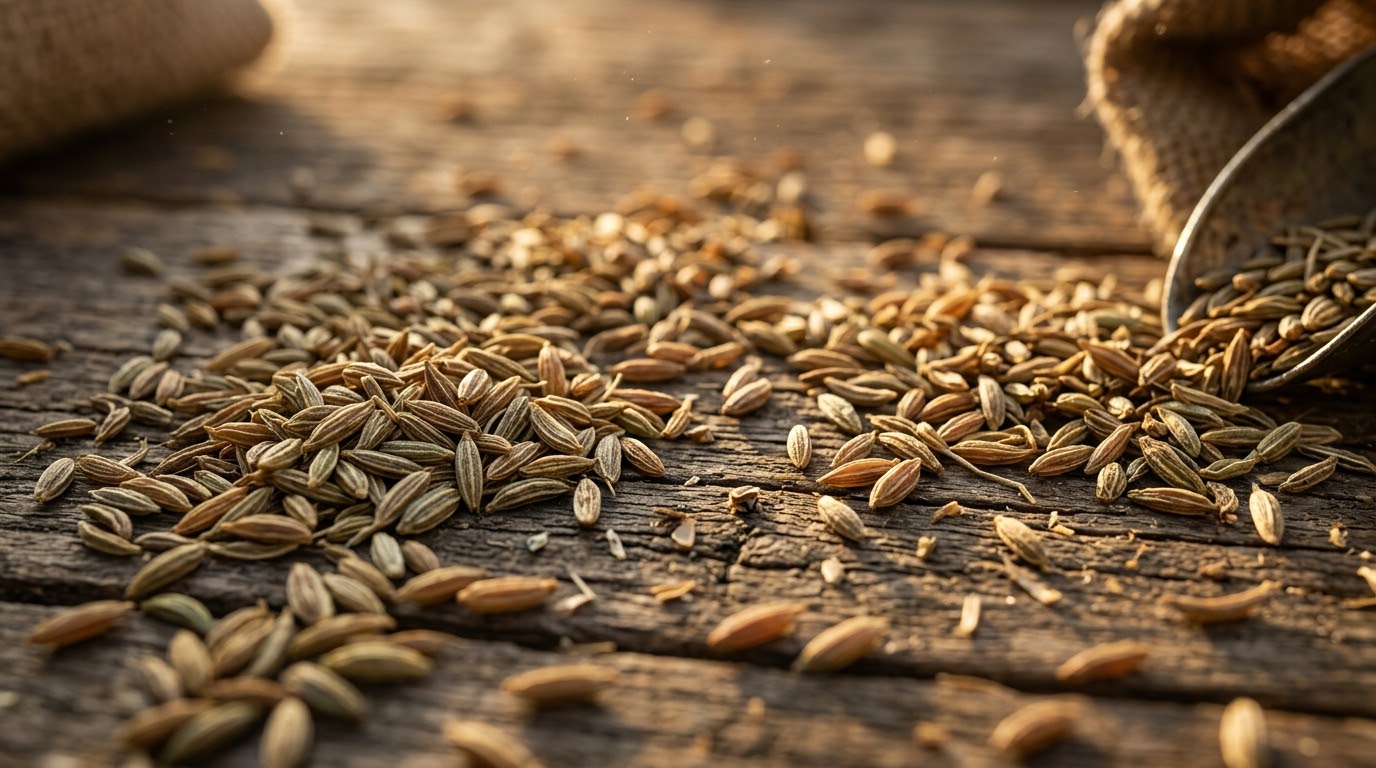
Cumin seeds are one of the most widely used spices in the world, found in kitchens from South Asia to the Middle East and Latin America. Their warm, earthy aroma makes everyday dishes memorable, and their long record in traditional wellness has earned them a place in modern healthy-living searches. This guide covers what cumin seeds are, their benefits, how to use them, and how to buy them wisely.
What Are Cumin Seeds?
Cumin seeds, known as zeera in Hindi and Urdu, come from Cuminum cyminum, a flowering plant in the parsley family. The small, boat-shaped, yellowish-brown seeds are harvested, dried, and sold whole or ground. India is the largest producer and consumer, followed by countries such as Iran, Turkey, and Syria. The flavor is nutty, slightly bitter, and citrusy. Toasting whole cumin seeds in a dry pan brings out their oils and deepens the taste.
Nutritional Profile of Cumin Seeds
A single teaspoon (about 2 grams) is low in calories, but it provides:
- Iron, which supports healthy blood and energy levels
- Manganese and magnesium, which support bone and muscle health
- Calcium and potassium, which help maintain fluid balance and nerve function
- Antioxidants such as flavonoids and phenolic compounds
- Dietary fiber, in small amounts
Because the serving size is small, cumin seeds add concentrated flavor and micronutrients without extra calories.
Top Health Benefits of Cumin Seeds
Research on cumin is ongoing, but studies and traditional use point to several benefits:
- Digestive support: Cumin stimulates digestive enzymes and bile secretion, which may reduce bloating, gas, and indigestion.
- Blood sugar management: Some studies suggest cumin may help improve blood sugar markers when part of a balanced diet.
- Cholesterol balance: Small trials report improvements in LDL cholesterol with regular cumin intake.
- Antioxidant protection: Compounds in cumin help neutralize free radicals linked to inflammation.
- Iron boost: Cumin is a useful plant-based source of iron for vegetarians.
- Immune support: Its antimicrobial properties have long been valued in home remedies.
These benefits are supportive, not curative. People with medical conditions or those on medication should speak to a doctor before using cumin therapeutically.
Cumin Seeds for Weight Loss: Does Zeera Water Work?
Cumin water, made by soaking or boiling a teaspoon of seeds overnight, is a hugely popular wellness trend. Some research suggests cumin may modestly support fat loss and waist reduction when combined with a calorie-controlled diet. It helps mainly by supporting digestion and satiety. It is not a miracle fix, so pair it with balanced meals, hydration, and exercise. How to make zeera water: Soak one teaspoon of whole cumin seeds in a glass of water overnight, boil for two to three minutes in the morning, strain, and sip warm.
Culinary Uses of Cumin Seeds
Cumin seeds are versatile and used in countless cuisines:
- Tadka (tempering): Sizzle seeds in hot oil or ghee before adding to dals, soups, and curries.
- Rice dishes: Zeera rice is a classic, fragrant side.
- Spice blends: Cumin is key in garam masala, chaat masala, taco seasoning, and ras el hanout.
- Roasted vegetables: Toss potatoes, cauliflower, or carrots with cumin and olive oil.
- Breads and snacks: Add to flatbreads, crackers, and yogurt raita.
Use whole cumin seeds for tempering and ground cumin for marinades and spice rubs. Freshly ground cumin always has stronger flavor.
Cumin Seeds vs. Black Cumin Seeds vs. Caraway
These are often confused:
- Cumin seeds (zeera): Earthy, warm, and used in savory cooking.
- Black cumin seeds (kalonji or Nigella sativa): Smaller, jet-black, peppery, and often used in pickles, breads, and wellness oils.
- Caraway seeds: Similar in appearance but with a sharper anise-like flavor, common in European cooking.
They are not interchangeable, so check the label when buying.
How to Choose High-Quality Cumin Seeds
Quality varies widely, so look for these signs:
- Uniform color: Greenish-brown to golden-brown, with no dull or gray tones
- Strong aroma: Fresh seeds smell pungent the moment you open the pack
- Clean seeds: Few stems, stones, or dust
- Plump shape: Shriveled seeds are usually old
- Clear labeling: Packing date, origin, and weight should be visible
Whenever possible, choose whole seeds over ground cumin, which loses aroma faster and is more prone to adulteration.
Where to Buy Cumin Seeds: Local Businesses Near Me or an Online Store?
Shoppers now have more options than ever, and both routes have advantages. Local businesses near me: Neighborhood spice shops and grocers let you smell and inspect the seeds, buy small quantities, and support your community. Searching “mart near me” or “local businesses near me” is the quickest way to find a fresh supply the same day. Online store: An online store offers convenience, wider variety, bulk pricing, doorstep delivery, and easy price comparison. Before ordering, check customer reviews, return policies, packaging dates, and whether the seller states the origin of its spices. Retailers such as WBM MART combine the convenience of an online mart with a range of pantry staples, which helps if you want to stock up on spices in one order. Quick tip: Buy a small pack locally to test quality, then reorder in larger quantities online once you find a supplier you trust.
How to Store Cumin Seeds
Keep whole cumin seeds in an airtight glass jar, away from heat, light, and moisture. Stored well, they stay potent for up to two years. Ground cumin lasts around six months. If the aroma fades, it is time to replace them.
Frequently Asked Questions About Cumin Seeds
Are cumin seeds and zeera the same thing?
Yes. Zeera is the Hindi and Urdu name for cumin seeds.
How much cumin should I consume daily?
One to two teaspoons a day is generally considered safe for most healthy adults. Large amounts may cause heartburn in some people.
Can cumin seeds help with weight loss?
They may support weight management by improving digestion and fullness, but they work best alongside a healthy diet and regular activity.
Is it better to buy cumin seeds from a local store or online?
Both work. Local stores let you check freshness in person, while an online store offers convenience, variety, and better bulk prices.
How can I tell if cumin seeds are fresh?
Fresh seeds have a strong aroma, uniform color, and a plump shape. Stale seeds smell faint and look dull.
Can pregnant women consume cumin seeds?
Normal culinary amounts are usually fine, but pregnant women should consult a doctor before using cumin water or supplements regularly.
Conclusion
Cumin seeds are a small spice with a big impact on flavor, digestion, and everyday nutrition. Choose whole, aromatic, clearly labeled seeds, toast them before cooking for the best taste, and store them properly to keep them potent. Whether you pick them up from local businesses near you or order from a trusted online store, quality and freshness should always come first. Start adding cumin seeds to your meals today and enjoy their taste and wellness benefits all year round.
Summary
Cumin seeds (zeera) come from Cuminum cyminum and are one of the world’s most popular spices, valued for their warm, earthy flavor and long use in traditional wellness.
Source
wbm

Leave a Reply
You must be logged in to post a comment.