Breast Cancer Screening: When Should You Start and How Often Should You Get Tested?
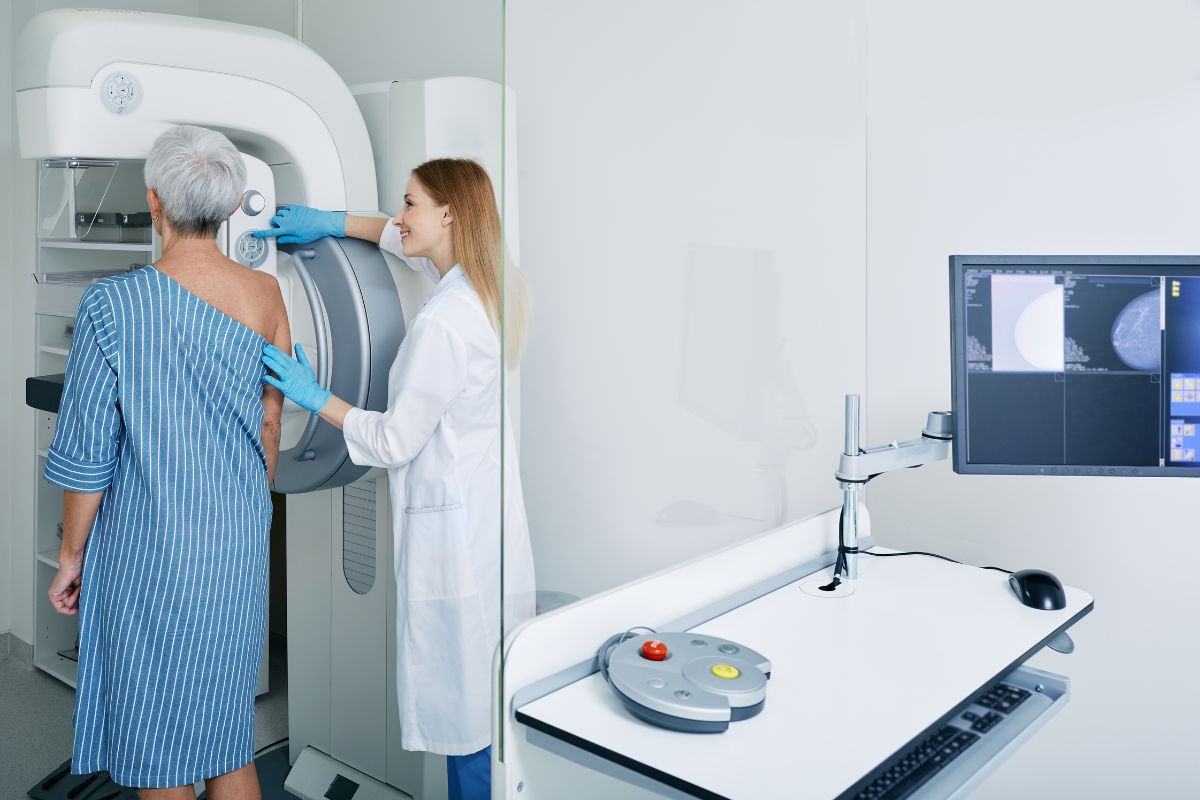
Breast screening is an essential component of proactive women’s healthcare, helping detect breast changes before symptoms appear. Screening can help detect breast cancer at an early stage, sometimes before a lump or other noticeable symptoms develop. Detecting breast cancer at an early stage can support timely treatment and may contribute to better health outcomes. However, there is no single screening schedule that applies to every woman.
Age, family history, genetic risk, previous breast conditions, and other individual factors can influence when to start breast cancer screening and how frequently it should be performed. For women in the UAE, understanding the purpose of screening and discussing an appropriate schedule with a healthcare professional can help support informed decisions about breast health.
Why Is Breast Cancer Screening Important?
Breast cancer screening is intended primarily for women who do not have symptoms. Screening aims to detect unusual changes in breast tissue that may need further medical assessment. Mammography remains one of the main screening methods used internationally. It uses low-dose X-rays to create images of the breast and can detect certain abnormalities that may not yet be felt during a physical examination.
A screening mammogram does not, however, confirm that cancer is present. If an abnormality is identified, additional assessment may include further mammographic imaging, ultrasound, MRI, or a biopsy, depending on the clinical findings. Screening should therefore be viewed as one part of a broader approach to breast cancer early detection.
When to Start Breast Cancer Screening
The appropriate age to begin routine screening depends on individual risk and the recommendations followed by the healthcare provider. For women at average risk, many recognised guidelines consider mammography from around the age of 40 or 50. The interval between screenings may also differ according to age and the guideline being followed. The European approach to breast cancer screening generally focuses organised mammography programmes on women in specific age groups, with many programmes screening every two years.
However, recommendations can differ between healthcare systems and countries. For women living in the UAE, it is important to discuss screening with a qualified healthcare professional rather than relying on age alone. A personal risk assessment can help determine whether screening should begin earlier or whether additional monitoring is appropriate.
How Often Should You Get a Mammogram?
One of the most common questions about how often to get a mammogram is whether screening should be performed every year or every two years. The answer depends on factors including age, breast cancer risk, and the screening recommendations being followed. For women at average risk, mammography may be recommended at intervals of one or two years. Regular screening is important because a single mammogram provides information about breast health at one point in time.
Continuing screening at the recommended interval allows healthcare professionals to monitor breast tissue over time and investigate new or changing findings when necessary. Women should also avoid scheduling screening more frequently than medically recommended unless their healthcare professional has advised a different approach based on their individual circumstances.
Breast Cancer Risk and Screening Needs
A woman’s individual risk factors can influence when screening should begin and how frequently it should be performed. Women may require an individualised screening plan if they have factors such as:
- A strong family history of breast or ovarian cancer
- Certain inherited genetic variants associated with breast cancer
- A previous diagnosis of breast cancer
- Certain high-risk breast conditions
- Previous radiation treatment involving the chest
- Other factors identified during a formal risk assessment
For women at higher risk, screening may begin at a younger age and may involve additional imaging, such as breast MRI alongside mammography. This is why breast cancer testing should be approached as an individual healthcare decision rather than a routine procedure based on age.
What If You Notice a Breast Change?
Screening is designed for women who do not have symptoms. If you notice a new or unusual change in your breast, you should seek medical assessment rather than waiting for your next scheduled screening appointment. A healthcare professional should assess any new or persistent breast changes, including:
- A new lump or thickening
- A change in breast size or shape
- Skin dimpling or unusual skin changes
- Changes involving the nipple
- Unusual nipple discharge
These symptoms do not necessarily mean that breast cancer is present. However, they should be assessed appropriately so that the cause can be identified. Diagnostic breast imaging is different from routine screening and is selected according to the symptoms and clinical findings.
Breast Awareness Still Matters
Regular screening does not mean that women should ignore changes between appointments. Being familiar with the normal appearance and feel of your breasts can help you recognise something new or unusual. Breast awareness should complement, rather than replace, recommended screening. If you notice a persistent change, professional assessment is important even if your most recent mammogram was normal.
Making Breast Cancer Screening Part of Preventive Care
Knowing when to start breast cancer screening, understanding the recommended screening interval and recognising individual risk factors can make breast health a more informed part of preventive healthcare. For women in the UAE, the appropriate screening plan should be discussed with a qualified healthcare professional who can consider age, medical history, family history, and other relevant risk factors.
Most importantly, women should not wait for symptoms before thinking about breast health. Appropriate screening, timely medical assessment and regular communication with healthcare professionals all have an important role in supporting early detection. At uniCare, we believe that awareness is an important step towards better breast health.
Through our breast cancer awareness campaigns and health initiatives, we share reliable information and encourage women to prioritise regular screening and timely medical care. Follow uniCare for the latest awareness campaigns, health updates and practical guidance, and take your turn in spreading breast health awareness within your community.

Leave a Reply
You must be logged in to post a comment.