Pain O Soma and Muscle Spasms After Unfamiliar Physical Activity
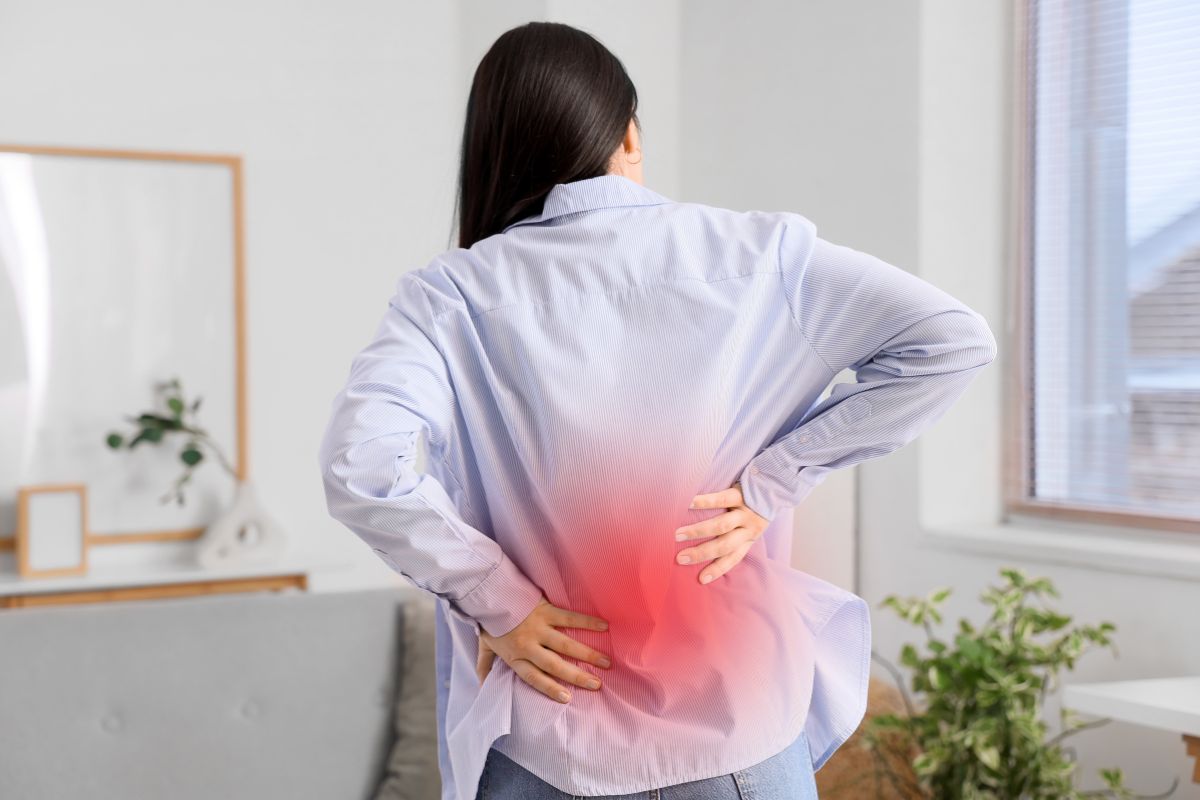
Trying a new physical activity can be a positive way to improve fitness, mobility, and overall strength. However, when the body is not accustomed to a particular movement, muscles may become tired, tight, or uncomfortable. In some situations, unfamiliar activity can also be followed by muscle spasms or cramps.
Activities such as hiking, swimming, recreational sports, weight training, cycling, dancing, gardening, or physically demanding household work can place stress on muscles that are not used to that level or type of movement. Understanding why these spasms occur and how they can be managed may help support a safer recovery.
Why Can Unfamiliar Physical Activity Cause Muscle Spasms?
Muscles can respond differently when they are suddenly exposed to movements or workloads they have not experienced recently. A new exercise may involve different muscle groups, greater intensity, longer duration, or repeated movements.
Several factors may contribute to muscle spasms after unfamiliar activity, including:
- Sudden increases in physical effort
- Muscle fatigue from unfamiliar movements
- Repetitive or prolonged activity
- Poor conditioning before starting a new activity
- Exercising in hot conditions
- Heavy sweating and fluid loss
- Holding the body in one position for an extended period
- Insufficient recovery between activities
- Technique or movement patterns that place additional stress on muscles
A muscle cramp or spasm can involve sudden, involuntary tightening. The calf and other leg muscles are common locations, although spasms can occur in different parts of the body depending on the activity.
Common Activities That May Trigger Muscle Spasms
Unfamiliar activity does not necessarily mean intense exercise. Everyday activities can also challenge muscles when the movement is new or more demanding than usual.
For example, someone who normally has a sedentary routine may experience muscle discomfort after a long hike. A person trying swimming for the first time may notice tightness in the shoulders and legs. Similarly, starting weight training, playing a new sport, or spending several hours gardening can place unexpected demands on muscles.
The affected area often depends on which muscles were used most. Lower legs may become uncomfortable after hiking or running, while the shoulders and upper back may feel tense after swimming or lifting.
Muscle Spasm vs. Muscle Strain
Muscle spasms and muscle strains are not exactly the same.
A muscle spasm is an involuntary tightening or contraction of a muscle. It may last for a short period and can leave the affected area feeling sore afterward.
A muscle strain, on the other hand, involves injury to a muscle or tendon. It may cause pain, tenderness, weakness, swelling, or difficulty moving the affected area.
These symptoms can overlap, so it is not always possible to determine the cause based only on how the discomfort feels. Severe, persistent, or worsening symptoms should be evaluated by a healthcare professional.
What Can Help After a Muscle Spasm?
Many uncomplicated muscle cramps improve with basic self-care. The first step is usually to stop the activity that triggered the discomfort and allow the affected muscle to relax.
Depending on the situation, recovery may include:
1. Gentle Stretching
A gentle stretch may help relax a cramped muscle. Stretching should be comfortable rather than forceful. If stretching increases pain, stop and allow the muscle to rest.
2. Light Massage
Gently massaging the affected area may help the muscle relax. Avoid aggressive pressure when there is significant pain or suspected injury.
3. Hydration
Fluid loss through sweating can contribute to muscle cramps. Maintaining adequate fluid intake before, during, and after physical activity can support normal muscle function.
4. Rest and Gradual Recovery
Returning immediately to demanding exercise can place additional stress on tired muscles. Give the affected area time to recover before repeating the same activity.
5. Gradual Progression
When starting a new exercise or activity, increasing duration and intensity gradually may help the body adapt. A suitable warm-up and appropriate technique can also be useful.
Where Does Pain O Soma Fit In?
Pain O Soma contains carisoprodol, a prescription muscle relaxant. In the United States, carisoprodol is indicated for relief of discomfort associated with acute, painful musculoskeletal conditions in adults and is intended for short-term treatment, generally limited to two or three weeks.
It is important to understand that a muscle spasm after unfamiliar physical activity does not automatically mean that carisoprodol is appropriate. A healthcare professional should determine whether the symptoms are consistent with an acute musculoskeletal condition and whether a prescription muscle relaxant is suitable.
When prescribed, carisoprodol is generally used as part of a broader treatment approach that can include rest, physical therapy, and other appropriate measures rather than replacing recovery and rehabilitation.
Pain O Soma 350 mg and Muscle Spasm Considerations
Pain O Soma 350 mg contains 350 mg of carisoprodol. Some U.S. carisoprodol labels specify 350 mg tablets, while other approved labeling may contain different dosing instructions. Patients should follow the exact strength and directions provided by their healthcare professional and medication label.
Carisoprodol can cause drowsiness, dizziness, and other effects that may impair activities requiring alertness. Alcohol and other central nervous system depressants can increase sedative effects.
Because carisoprodol also has recognized risks of abuse, dependence, and withdrawal, it should be taken only as prescribed and should not be shared with another person.
Safety Considerations Before Using Carisoprodol
Before using Pain O Soma or another carisoprodol product, discuss your medical history and other medicines with a healthcare professional.
Important precautions include:
- Take it only according to the prescribed directions.
- Avoid alcohol while taking carisoprodol.
- Ask a healthcare professional before combining it with other sedating medicines.
- Do not drive or operate machinery if you feel drowsy or impaired.
- Do not increase the dose or duration without medical advice.
- Do not share prescription medication.
- Contact a healthcare professional if symptoms continue despite treatment.
These precautions are particularly important because the symptoms following unfamiliar physical activity may have several possible causes.
When Should Muscle Spasms Be Checked?
Occasional muscle cramps after unusual activity may improve with rest and self-care. However, medical evaluation is appropriate when symptoms are severe, frequent, persistent, or associated with other concerning changes.
Seek professional advice if muscle spasms are accompanied by significant swelling, weakness, skin changes, persistent pain, difficulty using the affected muscle, or symptoms that do not improve with self-care.
Sudden or severe symptoms should not automatically be attributed to exercise. Other medical conditions can sometimes cause muscle cramps or pain, so persistent symptoms deserve proper evaluation.
How to Reduce the Risk of Spasms During New Activities
Preparation can make it easier for the body to adapt to unfamiliar movement.
Consider the following approach:
- Start new activities at a manageable intensity.
- Increase duration and workload gradually.
- Warm up before demanding exercise.
- Use proper technique and equipment.
- Take breaks during prolonged activity.
- Maintain adequate fluid intake.
- Give tired muscles enough recovery time.
- Avoid suddenly increasing several aspects of training at once.
- Pay attention to early signs of excessive fatigue.
- Return to activity gradually after an injury or prolonged break.
These habits can be useful whether the activity involves exercise, recreational sports, travel, household work, or another physically demanding task.
Buying Prescription Muscle Relaxants Online
People researching Pain O Soma or carisoprodol online should pay attention to pharmacy safety rather than focusing only on price or convenience.
The FDA advises consumers to be cautious of online pharmacies that do not require a prescription, lack appropriate licensing, do not provide access to a licensed pharmacist, or offer medicines in damaged or questionable packaging.
Before obtaining prescription medication online, verify that the pharmacy follows applicable legal and professional requirements. A legitimate online pharmacy should have appropriate licensing and require a valid prescription when one is required.
Safe4Cure can be used as an online pharmacy resource for researching healthcare products and medication information. Customers should still verify prescription requirements, pharmacy credentials, product details, and professional guidance before obtaining prescription medicines.
Final Thoughts
Muscle spasms after unfamiliar physical activity can occur when muscles are exposed to movements, workloads, or conditions they are not accustomed to. Rest, gentle recovery, hydration, gradual activity, and appropriate preparation may help with uncomplicated muscle discomfort.
When symptoms involve an acute painful musculoskeletal condition, a healthcare professional may consider treatments such as carisoprodol for appropriate patients. Pain O Soma should not be viewed as a routine solution for every post-activity cramp or spasm. Its use should follow professional medical advice, with attention to short-term treatment, sedation, drug interactions, and dependence-related risks.
For anyone researching Pain O Soma online, Safe4Cure and other pharmacy resources should be approached with the same focus on responsible medication use, valid prescriptions, product verification, and informed healthcare decisions.

Leave a Reply
You must be logged in to post a comment.