Gemstone Certification Explained – What GIA, IGI, and Other Labs Actually Check
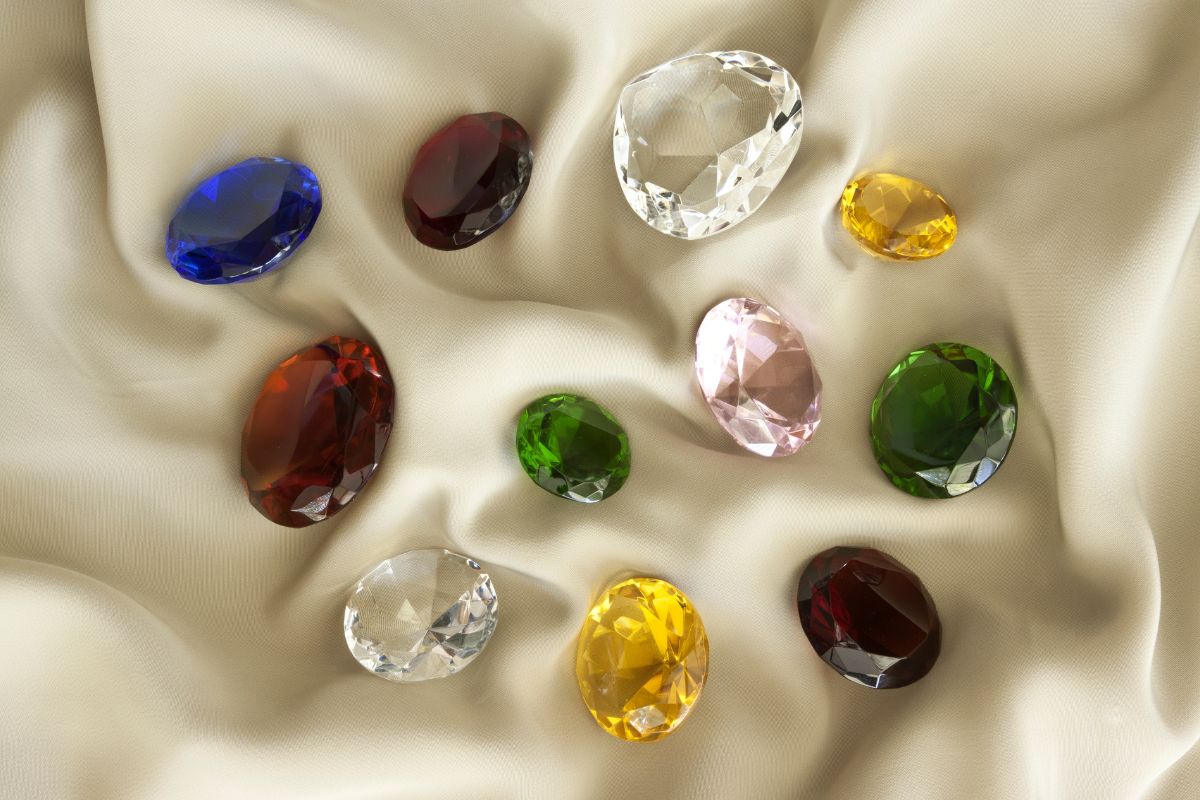
Investing in a gemstone requires a lot of attention. In the buying process, a small careless step can make you end up with a fake one or an imitation. People are often fascinated by the gemstone’s glowing and shiny beauty, but that is not the whole story. Behind all the dazzling beauty, a gem contains thousands of layers that need to be evaluated. That is where the role of gemstone certification comes in. Understanding this certification allows you to invest in the right stone out of all the captivating ones.
This certification is a lab report issued by major organizations like GIA, IGI, and many others – a documented, third-party opinion on what a gemstone actually is, based on measurable science rather than a seller’s word. In this blog, we will explain everything about gemstone certificates and what these major labs check behind closed doors. Let’s start with knowing:
What is Gemstone Certification?
A gemstone certificate, more precisely called a grading or identification report, is an independent evaluation issued by a gemological laboratory. This evaluation is conducted by trained gemologists using specialized tools. A gemstone grading report is not an appraisal, nor does it set a price; what it really does is record the verifiable facts about the stone, such as physical, optical, and chemical characteristics. Whether it’s GIA gemstone certification or IGI gemstone certification, it answers four fundamental questions for buyers:
- Is the stone natural or lab-grown?
- Has the gem undergone any color and clarity treatments?
- What are its exact measurements, weight, and cut parameters?
- For colored gems, where did the stone likely originate geographically?
What Do Gemstone Laboratories Actually Check?
Gemstone laboratories analyze stones to verify their true identity, origin, and any treatments using advanced science and expert evaluation. A professional examination can involve several stages.
- Gemstone Identity: Knowing about the stone material completely is the first thing that comes to mind. A lab determines the gem’s species and, where relevant, variety. For example, a report may distinguish between sapphire and other blue materials or identify a particular variety within a gem species.
- Origin Identification (Natural vs. Synthetic): One of the most important checks is determining whether the gem is naturally formed or produced in labs. This distinction can have a major impact on purchasing decisions and value. Advanced infrared spectroscopy (FTIR) and photoluminescence analysis can detect subtle structural markers that separate natural crystal growth from synthetic processes.
- Treatment and Enhancements: Most colored gems undergo some form of treatment to improve appearance. Labs run tests to detect:
- Heat treatment
- Diffusion treatment
- Fracture or clarity enhancement
- Filling
- Dyeing
- Impregnation Stating these can help you identify whether the stone’s appearance is entirely natural or enhanced in some way.
- Geographic Origin: Laboratories also investigate geographic origin. It determines for buyers where the stone actually came from. However, origin determination is not always possible. A laboratory may issue an inconclusive result when the available evidence does not support a confident geographic conclusion.
- Physical Traits: A gemstone report also records the physical information about the stone, which includes:
- Carat weight
- Shape
- Length, width, and depth
- Cutting style
- Color grading
- Transparency
- Clarity assessment
Wrapping Up: Making a Certified Purchase
Certified gemstones not only make your jewelry authentic and unique, but also can make you feel more confident and give you complete peace of mind. A professional certification bridges the gap between emotion and expertise. When purchasing any fine gemstone, gaining knowledge about the gemstone certification is very important. The gemstone world carries both natural and synthetic gemstones that are not easy to crack at first glance.
This is where the gem certification helps you choose the right stone out of all the glowing ones. When you shop certified natural gemstones, you are not just paying for a gem, you are paying for transparency and verified authenticity. Whether buying a natural ruby, a classic diamond, an untreated sapphire, or any kind of high-grade gemstones for sale, prioritizing independent certification from well-known bodies like the GIA, IGI, or GRS ensures your investment is worth every penny.

Leave a Reply
You must be logged in to post a comment.