The Major Benefits of Hiring a Nurse for Plastic Surgery Recovery
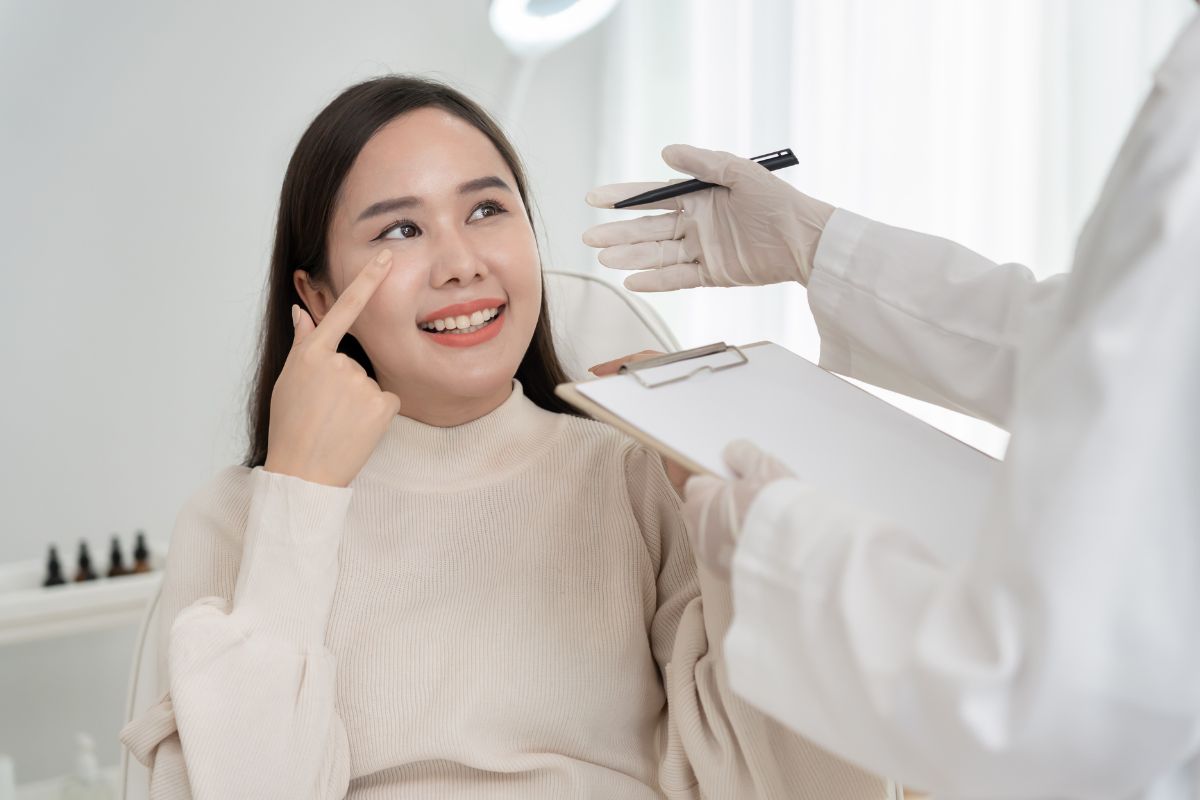
Undergoing plastic or cosmetic surgery is a significant investment of time, finances, and emotional energy. Whether you are preparing for a comprehensive body contouring procedure—such as a tummy tuck or Mommy Makeover—or facial rejuvenation like a deep-plane facelift or rhinoplasty, your primary goal is achieving beautiful, seamless results.
However, many patients do not realize that the surgical procedure in the operating room is only the first phase of the transformation. The true success and aesthetic outcome of any cosmetic procedure rely heavily on post-operative care and tissue healing.
While many patients initially plan to rely solely on well-meaning spouses, friends, or family members for their recovery, modern surgical aftercare involves technical clinical responsibilities. From drain stripping and sterile dressing changes to precise medication management and early complication detection, professional oversight makes a substantial difference.
Here is an in-depth look at the key benefits of hiring a nurse for plastic surgery recovery, and how professional post-op care can elevate your safety, comfort, and final surgical results.
Professional Clinical Expertise in the Comfort of Home
The first 48 to 72 hours following general anesthesia and extensive surgery are the most critical. You are likely to experience lingering grogginess, restricted mobility, swelling, and soreness. Managing complex post-operative tasks in this state can be daunting.
A private recovery nurse brings the clinical precision of a surgical hospital floor directly into the privacy of your home or hotel suite.
Key clinical responsibilities handled by a specialized nurse include:
- Vital Signs Monitoring: Tracking blood pressure, pulse, oxygen saturation, and body temperature to ensure steady, healthy baseline recovery.
- Sterile Incision Care: Performing clean, hospital-grade dressing changes using sterile techniques to protect vulnerable incisions from hospital-acquired or household pathogens.
- Fluid and Hydration Balance: Monitoring intake and output, ensuring cellular hydration remains optimal to flush out residual anesthesia and support microvascular healing.
Having a licensed professional manage these tasks removes the guesswork, giving you complete reassurance that your recovery follows strict clinical standards.
Early Detection and Prevention of Surgical Complications
The primary risk in any surgical procedure is not always the surgery itself, but the unexpected post-operative complications that can arise during the first few days. A trained plastic surgery nurse is educated to identify subtle physiological warning signs hours—or even days—before an untrained individual would notice them.
1. Hematomas and Seromas
A hematoma (an abnormal collection of blood under the skin) or a seroma (a localized pocket of clear serous fluid) can compromise skin flap viability and distort aesthetic contours. A skilled nurse can detect rapid, asymmetric swelling, unnatural skin firmness, or sudden discoloration early, allowing your surgical team to intervene promptly before tissue damage occurs.
2. Compromised Blood Perfusion (Flap Ischemia)
Facelifts, breast reductions, and abdominoplasties involve elevating and repositioning delicate skin flaps. If microvascular blood supply is restricted, the tissue can suffer from ischemia, potentially leading to skin necrosis and visible scarring. A recovery nurse routinely assesses capillary refill, tissue warmth, and color to confirm that oxygenated blood is reaching every incision edge.
3. Deep Vein Thrombosis (DVT) Prevention
Prolonged immobility following surgery increases the risk of blood clots forming in the deep veins of the legs. Recovery nurses implement proactive DVT prevention strategies, including:
- Assisting with safe, regular ambulation around the room.
- Correctly fitting and monitoring anti-embolism stockings (TED hose) or sequential compression devices.
- Guiding gentle calf and ankle flexion exercises.
- Encouraging deep breathing techniques to prevent post-op atelectasis (partial lung collapse).
Stress-Free Surgical Drain Management
For procedures like abdominoplasty, breast reconstruction, or circumferential body lifts, surgical drains (such as Jackson-Pratt bulbs) are essential for removing excess lymphatic fluid and blood. However, managing drains is often the most anxiety-inducing task for patients and family members.
Drains require precise handling to remain functional and infection-free. A dedicated post-op nurse manages this entire process:
- Milking and Stripping Tubing: Gently stripping the silicone tubing to prevent fibrin clots from obstructing the fluid pathway.
- Sterile Emptying and Measuring: Measuring fluid output in cubic centimeters (cc) or milliliters (mL) to establish accurate clinical trends.
- Assessing Exudate Characteristics: Monitoring the transition of fluid from sanguineous (dark red) to serosanguineous (pink) and serous (straw yellow).
- Maintaining Negative Pressure: Ensuring the collection bulb is properly compressed to maintain continuous, gentle suction.
Your nurse maintains a meticulous drainage log, which provides your surgeon with the exact data needed to decide when it is clinically safe to pull the drains.
Optimized Pain Control and Medication Adherence
Effective post-operative pain management is not about over-sedation; it is about keeping you comfortable enough to rest deeply and perform essential, light ambulation.
Trying to manage multiple prescription bottles while recovering from general anesthesia frequently leads to missed doses or accidental double-dosing. A private nurse institutes an organized, disciplined medication routine:
- Staying Ahead of the Pain Curve: Administering prescribed analgesics, muscle relaxants, and anti-inflammatory medications at planned intervals before pain peaks.
- Managing Nausea and Side Effects: Timing antiemetics (anti-nausea medications) appropriately and monitoring for narcotic-induced constipation, dizziness, or respiratory depression.
- Detailed Record-Keeping: Maintaining a written log of every medication, dosage, and time administered, ensuring complete transparency and safety.
Proper Fitting and Management of Compression Garments
Medical-grade compression garments (fajas, post-surgical bras, chin straps, and abdominal binders) are vital for controlling post-operative edema, supporting newly contoured tissue planes, and preventing fluid buildup.
However, improperly fitted or wrinkled compression garments can cause serious complications, including pressure sores, skin blistering, or localized contour irregularities.
A recovery nurse ensures that:
- Your garments are applied with even, uniform tension without rolling edges or localized pressure points.
- Skin folds and bony prominences are padded with medical foam or sterile gauze to prevent skin friction.
- Garments are safely removed and replaced during hygiene routines without placing sudden stress on fresh incisions.
Seamless, Professional Communication with Your Surgeon
When a patient or family member contacts a surgical on-call line with a concern, it can sometimes be difficult to describe clinical symptoms accurately.
When you hire a specialized provider like Plastic Surgery Nurse, you benefit from licensed registered nurses who speak the same clinical language as your surgeon. If an unexpected symptom arises—such as a sudden spike in drainage, elevated blood pressure, or localized erythema—your nurse can relay clear, objective medical data directly to the surgical team. This allows the surgeon to make fast, accurate clinical decisions and adjust instructions without unnecessary emergency room trips.
Relieving the Burden on Family Members and Loved Ones
Many patients assume a spouse, partner, or parent can handle their aftercare. While loved ones provide invaluable emotional warmth, thrusting them into the role of an in-home medical caregiver can cause substantial anxiety for both parties.
Family members often feel squeamish or frightened when dealing with wound drainage, blood, open incisions, or administering potent pain medications. This stress can strain relationships at a time when calm rest is needed most.
Hiring a private nurse allows your loved ones to step back from clinical duties and simply be supportive companions. They can focus on bringing you comforting meals and keeping you company, confident that a trained professional is managing your clinical care.
Total Privacy, Discretion, and Emotional Reassurance
Undergoing cosmetic surgery is a deeply personal and private choice. Many patients prefer not to disclose their procedures to extended social circles or rely on local acquaintances for help.
1. Complete Confidentiality
A private post-op nurse delivers one-on-one, confidential care in your home, private residence, or luxury hotel suite. Your medical details and surgical journey remain completely private.
2. Navigating the “Post-Op Blues”
It is physiologically normal to experience emotional vulnerability, mild anxiety, or temporary mood dips in the days following surgery. The combination of physical fatigue, tissue swelling, altered routines, and anesthesia clearance can temporarily cloud a patient’s outlook.
Having an experienced recovery nurse at your bedside provides grounding reassurance. A nurse can normalize your symptoms, remind you of your healing trajectory, and provide objective confirmation that your recovery is progressing exactly as planned.
Comparing Aftercare Approaches
| Aftercare Factor | Family / Friend Care | Private Plastic Surgery Nurse |
|---|---|---|
| Clinical Assessment | Relies on subjective observation | Objective vital signs and tissue perfusion checks |
| Incision & Dressing Care | Basic, non-sterile handling | Hospital-grade sterile technique |
| Drain Management | Often stressful and error-prone | Routine stripping, precise measurement, and logging |
| Medication Timing | Risk of skipped or overlapping doses | Strict scheduling, tracking, and side-effect monitoring |
| Complication Detection | Usually noticed after symptoms advance | Early identification of hematomas, seromas, or infection |
| Emotional Impact | High caregiver stress and family anxiety | Calming, professional support for the whole household |
Summary: Protecting Your Surgical Investment
Elective surgery requires considerable preparation, dedication, and financial investment. The aftercare phase directly shapes the final aesthetic result, scar quality, and overall health outcome of your procedure.
By hiring an experienced plastic surgery recovery nurse, you ensure that every aspect of your post-operative healing—from sterile wound management and drain tracking to pain relief, mobility support, and clinical oversight—is handled with professional precision. It allows you to rest comfortably, recover safely, and focus entirely on your new results with complete peace of mind.
Summary
Here is an in-depth look at the key benefits of hiring a nurse for plastic surgery recovery, and how professional post-op care can elevate your safety, comfort, and final surgical results.
Source
No

Leave a Reply
You must be logged in to post a comment.