Why Professional Custom Embroidery Digitizing Matters
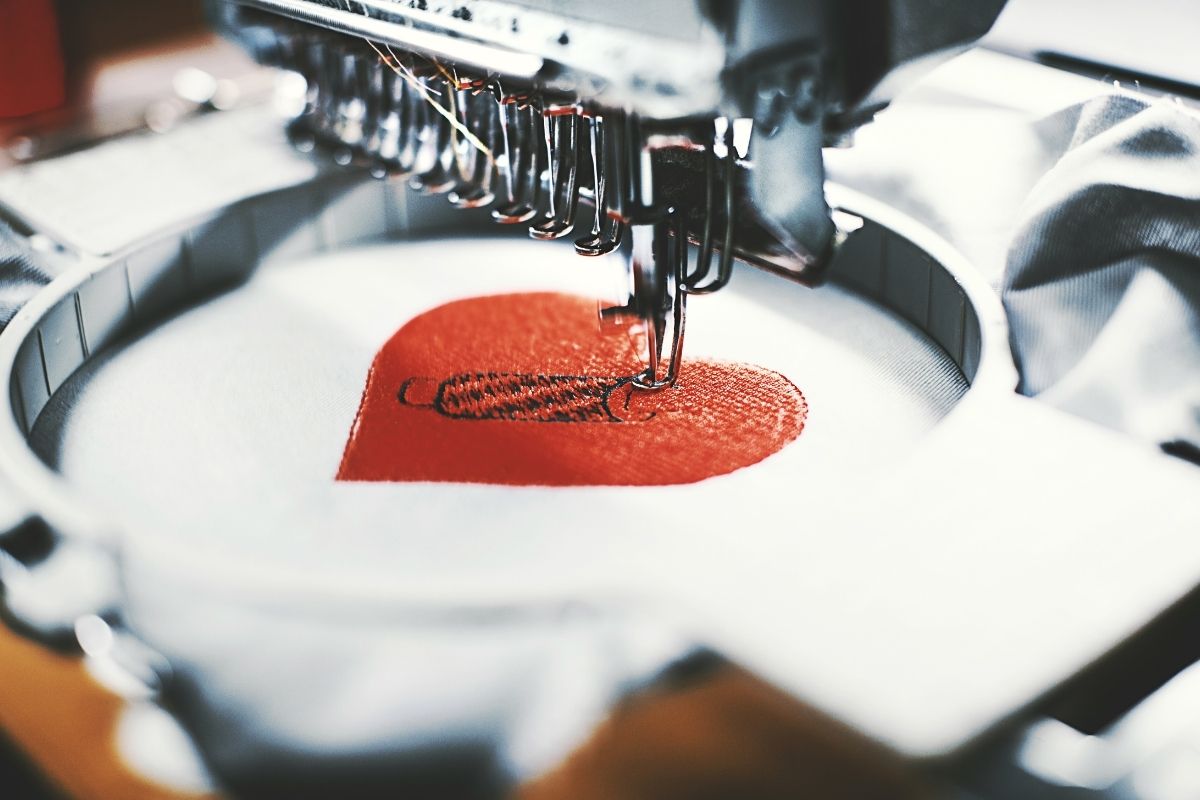
A successful embroidery project depends on more than the quality of the original artwork. Before a logo, illustration, or custom design can be stitched by an embroidery machine, it must be converted into a machine-readable file containing instructions for stitch placement, direction, sequence, and pdensity. Professional custom embroidery digitizing services help prepare these instructions according to the design and its intended application, which can support cleaner and more reliable stitch results.
A poor-quality file can create problems during production. Thread breaks, distorted shapes, gaps between elements, puckering, and unclear lettering may occur when the design has not been properly prepared for embroidery. Although fabric, thread, stabilizer, machine settings, and hooping also affect the final result, the embroidery file remains a major part of the production process.
This article explains why professional file preparation matters and how it can contribute to better results for custom embroidery projects.
Understanding the Role of Embroidery Digitizing
Embroidery digitizing is not simply converting an image into a different file extension. It involves creating stitch instructions that tell an embroidery machine how to reproduce a design using thread.
The person preparing the file considers the shapes, size, detail level, stitch types, stitch direction, underlay, density, sequencing, and other technical factors. The best settings can vary depending on the artwork and the material where it will be embroidered.
For example, a design that works well on a structured cap may require different preparation from the same design stitched on a lightweight polo shirt. This is why custom preparation can be more useful than applying identical settings to every file.
Improves Stitch Quality for Different Types of Artwork
Different artwork creates different embroidery challenges. A simple symbol may be relatively straightforward, while a detailed logo with small lettering or fine lines may require additional adjustments.
Professional custom embroidery digitizing services can evaluate the artwork and determine which details can be reproduced effectively with thread. In some cases, very small elements may need to be simplified or adjusted to remain clear at the intended embroidery size.
This approach can help create a design that is more suitable for stitching rather than attempting to reproduce every pixel or printed detail exactly.
Helps Select Appropriate Stitch Types
Embroidery machines use different stitch types to create different visual effects and cover different areas. Satin stitches may be appropriate for lettering and narrow shapes, while fill stitches can cover larger areas.
The stitch type should match the size and structure of the design element. Using an unsuitable stitch can affect the appearance and stability of the final embroidery.
Professional preparation considers how each part of the artwork should be represented with thread. This helps create a more balanced design while supporting efficient machine operation.
Supports Better Stitch Direction and Coverage
The direction of stitches can influence how thread reflects light and how shapes appear on fabric. In some designs, changing the stitch angle between adjacent sections can help define separate elements.
Stitch direction can also affect the way fabric behaves during production. Large areas of stitching require careful planning to avoid unnecessary distortion.
A professionally prepared file considers the structure of the entire design rather than treating each area as an isolated shape. The goal is to create a balanced result that is suitable for the intended size and material.
Helps Manage Density and Fabric Response
Stitch density affects how closely stitches are placed together. If stitches are too dense, the fabric may experience excessive stress and the machine may have difficulty producing the design efficiently. If density is too low, the underlying fabric may show through.
The appropriate density depends on several factors, including the thread, fabric, design size, and stabilizer. There is no single density setting that is ideal for every embroidery project.
Professional file preparation can adjust these settings according to the project requirements. A test sew-out can also help identify whether further changes are needed before full production.
Improves Small Text and Detailed Elements
Small lettering and fine details are among the most challenging parts of embroidery. Thread has physical thickness, so details that appear clear in a digital image may not be practical at a small embroidery size.
A professional digitizer can adjust lettering and simplify fine elements when necessary. The goal is to maintain readability and recognition without creating excessive stitch complexity.
Before production, businesses should confirm the final embroidery size. A logo that works well at a larger size may require different treatment when reduced for a small chest placement.
Reduces Common Production Problems
A properly prepared embroidery file can help reduce some common issues, including thread breaks, unnecessary trims, gaps, registration problems, and inefficient stitch sequences.
However, the embroidery file is only one part of the production process. Needle condition, thread quality, tension, machine maintenance, fabric type, stabilizer, and hooping can also affect the result.
When an issue occurs, reviewing the entire production setup can help identify the cause instead of assuming that every problem is related to the embroidery file.
Supports More Efficient Embroidery Production
A well-organized embroidery file can help production teams work more efficiently. Logical stitch sequencing can reduce unnecessary movement and color changes, while suitable pathing can help avoid excessive trims.
For businesses managing multiple orders, efficient files can contribute to smoother production scheduling. Even small improvements in machine operation can become meaningful when repeated across large quantities.
The exact benefits depend on the design and production setup, but careful file preparation can reduce avoidable complexity.
Provides Better Adaptation for Different Fabrics and Products
Different materials respond differently to embroidery. Structured caps, stretch garments, fleece, denim, and lightweight fabrics may require different approaches.
Custom file preparation can account for the intended product. A design may need changes to underlay, density, compensation, or other settings based on the material.
Providing this information when ordering the file is important. A digitizer cannot always determine the final application from the artwork alone.
Why Generic or Automatic Conversion Can Cause Problems
Automatic conversion tools may create a machine file quickly, but they cannot always account for the physical behavior of thread and fabric.
A direct conversion may use unsuitable stitch types, excessive density, or poor sequencing. The resulting design can look different from the original artwork or perform poorly during production.
Professional preparation involves reviewing the design and making technical decisions based on embroidery requirements. While software is an important tool, human judgment remains valuable when adapting artwork for real materials and production conditions.
The Importance of Test Sew-Outs
Even a carefully prepared file can behave differently when stitched on a specific fabric. A test sew-out provides an opportunity to evaluate the design before full production.
The test can reveal whether lettering remains readable, shapes maintain their intended appearance, and the fabric supports the design properly.
For high-volume or important projects, testing can help identify adjustments before significant time and materials are used. It is often a practical part of quality control.
Choosing a Professional Digitizing Service
When selecting a service, look beyond general promises about price or turnaround time. Review previous work and consider whether the provider asks for relevant details about the design and intended application.
Clear communication is important. The service should understand the required file format, embroidery size, product type, and deadline.
It is also helpful to understand how revisions are handled. A reliable provider should have a clear process for reviewing reported issues and making reasonable adjustments when the design does not perform as expected.
Conclusion
Professional embroidery file preparation can play an important role in achieving cleaner and more reliable stitch results. By considering artwork structure, stitch types, direction, density, sequencing, and the intended material, professional custom embroidery digitizing services can help prepare designs that are better suited to real embroidery production.
The best results also depend on testing and the overall production setup. Businesses that provide clear artwork and complete project details can help reduce unnecessary revisions and improve communication throughout the process. For companies seeking reliable support for custom embroidery files, EMDIGITIZING can help prepare designs with attention to technical requirements and the intended embroidery application.
Frequently Asked Questions
Q1. What are custom embroidery digitizing services?
These services prepare artwork as a machine-readable embroidery file containing instructions for stitch placement, direction, sequence, and other technical settings.
Q2. Why does professional digitizing affect stitch quality?
The embroidery file controls many aspects of how a design is stitched. Proper preparation can help manage density, stitch types, sequencing, and other factors that influence the final result.
Q3. Can the same embroidery file be used on every fabric?
Not always. Different fabrics and products may require adjustments because they respond differently to stitching.
Q4. Does a professional embroidery file guarantee a perfect result?
No. The final result also depends on factors such as fabric, stabilizer, thread, hooping, machine condition, and operator settings. A test sew-out is often useful before full production.
Q5. What information should I provide to a digitizing service?
Provide clear artwork, the required file format, final embroidery size, intended product or fabric, placement details, and any relevant production requirements.
Summary
Learn why professional custom embroidery digitizing services help improve stitch quality, design accuracy, and production results for custom embroidery.
Source
Why Professional Custom Embroidery Digitizing Matters

Leave a Reply
You must be logged in to post a comment.