Custom Eco-Friendly Packaging – Sustainability Meets Branding
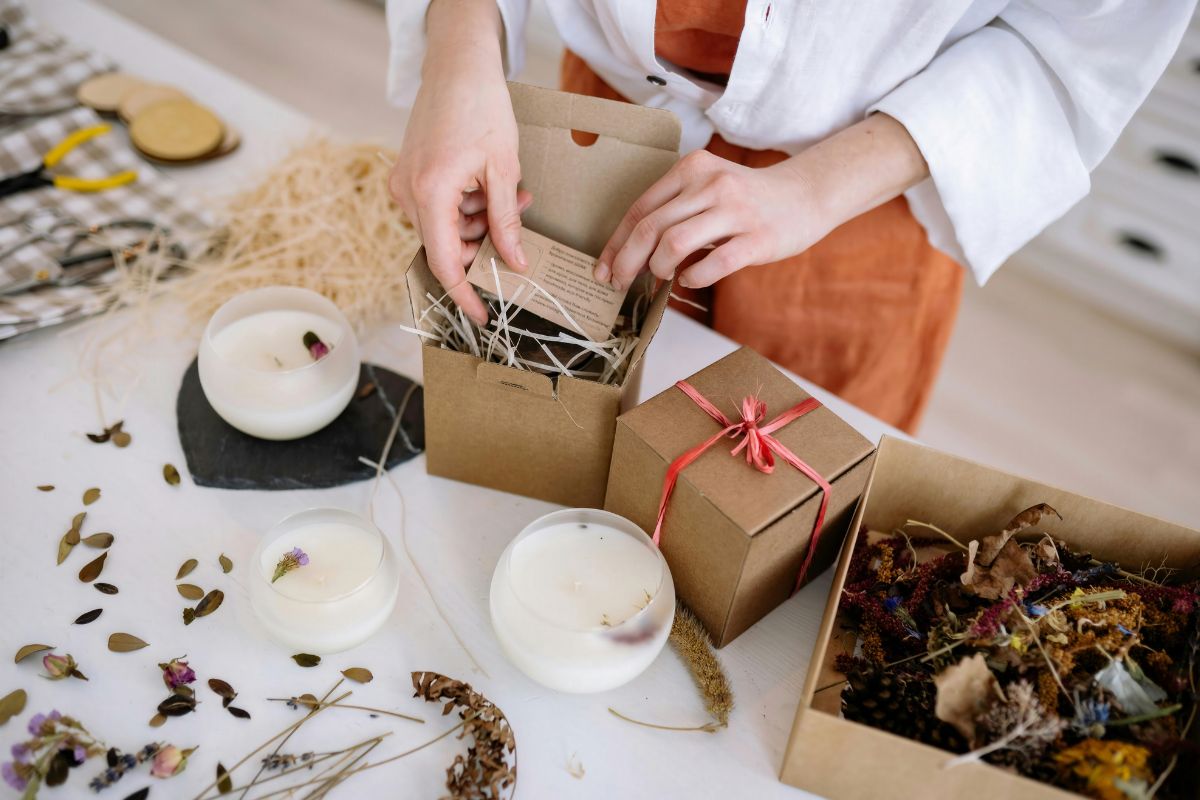
Packaging has become an important part of how customers understand a brand. A box is no longer viewed only as something that holds and protects a product. Its material, appearance, printing, structure, and end-of-life considerations can all influence how a business is perceived. For brands that want to make more responsible packaging choices, custom eco-friendly packaging offers a way to bring sustainability and branding together.
Eco-friendly packaging does not have to look plain or generic. With the right materials and design approach, businesses can create packaging that protects products, communicates their identity, and supports their sustainability goals. The key is to focus on purposeful design rather than adding unnecessary materials simply for appearance.
What Is Custom Eco-Friendly Packaging?
Custom eco-friendly packaging is packaging designed around a specific product while considering material efficiency, responsible sourcing, recyclability, reusability, or other environmental factors. It can include custom boxes, cartons, mailers, sleeves, inserts, and other packaging formats.
The exact meaning of “eco-friendly” can vary depending on the materials and manufacturing process. A responsible packaging strategy should therefore consider the complete package rather than relying on a single feature.
Customization Starts With the Product
A custom box can be produced around the product’s dimensions instead of forcing the product into an oversized standard package.
This can help reduce unnecessary empty space while creating a more organized presentation.
Sustainability Starts With Purpose
A sustainable package should still perform its basic functions.
It needs to protect the product, support transportation, provide relevant information, and create an appropriate customer experience.
Removing useful protection simply to reduce material can sometimes create more waste if products arrive damaged.
Why Branding and Sustainability Work Together
Sustainable packaging can become a visible part of a brand’s identity.
Customers interact with packaging before they use the product, making the package an opportunity to communicate the company’s values.
A thoughtfully designed kraft box, recycled paperboard carton, or simple custom mailer can create a recognizable visual language.
Packaging Communicates Brand Values
Material texture, typography, colors, graphics, and printing can all contribute to brand perception.
A natural kraft finish may suit an artisan or environmentally conscious brand, while a clean paperboard carton can work for a modern retail business.
Consistency Builds Recognition
Using the same packaging style across products can make a brand easier to recognize.
The box structure can remain consistent while product names, colors, or graphics change for different collections.
Choosing the Right Material
Material selection is one of the most important decisions in sustainable packaging.
Paperboard and kraft-based materials are commonly considered for many custom packaging applications because they can provide structure, printability, and a range of design options.
However, brands should evaluate the actual material specification rather than choosing a material based solely on appearance.
Kraft Packaging
Kraft packaging has a natural appearance that can work well for brands seeking a simple and understated identity.
It can be used for food products, candles, gifts, cosmetics, stationery, retail products, and many other categories.
Recycled Paperboard
Recycled content can be considered when it aligns with the product’s performance requirements and the brand’s packaging goals.
The percentage of recycled content and other specifications should be confirmed with the packaging supplier.
Match Material Strength to the Product
A lightweight product may not require the same board specification as a heavy glass candle or fragile gift set.
Using insufficient material can create protection problems, while using significantly more material than necessary may not be efficient.
The objective is to select an appropriate specification for the actual product.
Custom Box Design Can Reduce Excess Material
Customization can support sustainability by allowing packaging dimensions to be tailored to the product.
An oversized box often needs additional filler or protective material to prevent movement.
A better-fitting package can reduce the need for excessive internal space.
Right-Sizing Improves Efficiency
Right-sizing does not mean making the box as small as possible.
The package needs enough clearance for safe packing, product removal, and appropriate protection.
The goal is a practical fit.
Standardize Where Possible
Brands with several products can create a small range of box sizes rather than designing a completely different package for every item.
This can simplify inventory management while maintaining a consistent visual identity.
Printing Turns Sustainable Packaging Into Branding
A custom eco-friendly box can still have a strong visual identity.
Printing can be used for logos, product names, illustrations, patterns, instructions, and other relevant information.
Keep the Design Purposeful
Sustainable branding does not require excessive graphics.
A clean logo, limited color palette, and clear typography can create a professional appearance while keeping the design focused.
Use Packaging as a Communication Tool
The box can tell customers about the product and provide useful information.
Depending on the product category, this may include usage instructions, care information, ingredients, contact details, or disposal guidance.
Minimalist Packaging Can Be Highly Effective
Minimalism can support both branding and material efficiency.
A package does not need multiple decorative layers to look premium.
Simple typography, carefully selected graphics, and a well-designed structure can create a strong presentation.
Avoid Decorative Excess
Extra ribbons, plastic windows, unnecessary inserts, and multiple layers may add complexity without providing meaningful benefits.
Each component should have a clear purpose.
Inserts Need Careful Consideration
Inserts can protect products, organize gift sets, and create a premium interior.
However, they also add another component to the package.
Before adding an insert, consider whether it is necessary.
Use Inserts When Protection Requires Them
Glass candles, jewelry, cosmetics, and fragile products may benefit from internal supports.
A paperboard insert can sometimes provide organization without introducing an unnecessary material combination.
Design the Insert Around the Product
An insert should hold the product securely without making it difficult for customers to remove.
Its dimensions should be tested with the actual product.
Avoid Greenwashing
One of the most important considerations for brands using sustainable packaging is accuracy.
Terms such as “eco-friendly,” “green,” “sustainable,” “recyclable,” and “compostable” should not be used casually.
A package’s environmental characteristics depend on its materials, coatings, components, manufacturing, and disposal conditions.
Make Specific Claims
Instead of relying on vague environmental language, brands can communicate specific, verifiable information about the materials used where appropriate.
For example, a business may provide information about recycled content or packaging disposal based on supplier documentation and relevant local guidance.
Sustainable Packaging Should Protect the Product
Environmental goals should never eliminate necessary protection.
A damaged product can create additional material use through replacements, returns, and reshipping.
This is particularly important for fragile products.
Consider Transportation
Think about how the product moves from manufacturing to warehouse, store, and customer.
Packaging should be tested under realistic handling conditions.
A package that looks sustainable but fails during shipping may not provide the desired result.
Ecommerce Requires Extra Attention
Online products often experience more handling than products purchased directly from a store.
The retail package may need an outer shipping box to protect it.
Brands should evaluate the entire shipping system rather than considering only the inner package.
Test the Complete Package
Place the product inside its custom box and then use the intended shipping materials.
Conduct practical transportation tests.
Check for crushing, shifting, surface damage, or other problems.
Custom Eco-Friendly Packaging for Retail
Retail packaging has to communicate quickly.
Customers may compare several products on a shelf, so the package should make the brand and product easy to identify.
Design for Shelf Visibility
The most important information should appear on the panel customers are likely to see.
A clear product name, recognizable branding, and appropriate graphics can help the package stand out without requiring excessive decoration.
Consider Multiple Product Sizes
A brand can create related packaging structures for different product sizes.
This allows the collection to look consistent while maintaining appropriate product fit.
Sustainable Packaging Can Support Premium Branding
Eco-friendly packaging does not have to look inexpensive.
Premium presentation can come from structure, typography, material texture, printing quality, and attention to detail.
A well-designed kraft box can look refined.
A carefully printed paperboard carton can communicate a modern brand identity.
Premium Does Not Mean Complicated
A sophisticated package may use a simple structure with high-quality printing.
Adding multiple finishing techniques is not always necessary.
The strongest design is usually the one that supports the product and brand clearly.
Consider Reusability
Some packaging can provide value after the product is removed.
Rigid gift boxes, sturdy storage boxes, and reusable mailers may have a second purpose depending on the product.
However, reusability should be designed around genuine customer behavior rather than simply added as a marketing claim.
Give the Package a Practical Second Life
If a box can reasonably be reused for storage, customers may be more likely to keep it.
This can extend the useful life of the packaging.
Consider End-of-Life
A package’s environmental story does not end when the customer opens it.
Brands should consider how the complete package can be handled after use.
If the package combines several materials, disposal may become more complicated.
Keep Materials Simple Where Practical
A straightforward package can make it easier for customers to understand what to do with it after use.
The exact disposal process depends on local recycling systems, material specifications, and packaging components.
Wholesale Custom Eco-Friendly Packaging
Businesses ordering packaging in bulk should plan carefully.
Wholesale quantities can reduce unit costs, but excessive inventory can create storage problems.
Consider monthly usage, seasonal demand, product changes, and available storage before ordering.
Avoid Outdated Packaging
Printed packaging can become obsolete when a brand changes its logo, product information, website, or design.
Large orders should therefore be planned around realistic future demand.
Request Samples Before Production
A physical sample is an important step when developing custom packaging.
Place the actual product inside the sample and check the fit.
Review the printing, material, closure, interior, and overall appearance.
If the product is shipped, test the package through the intended delivery system.
Ask the Supplier the Right Questions
Before ordering, brands should ask about:
- Material specifications
- Recycled content
- Printing options
- Coatings and finishes
- Custom dimensions
- Insert materials
- Minimum order quantities
- Production timelines
- Sample availability
- Relevant documentation
These questions can help businesses make packaging decisions based on evidence rather than assumptions.
Build Sustainability Into the Brand Strategy
Sustainable packaging works best when it is part of a broader brand approach.
The same philosophy can appear across product packaging, shipping materials, website communication, and customer education.
The goal is consistency.
A brand that carefully selects materials but then uses unnecessary layers elsewhere may not achieve the intended result.
Make Branding and Sustainability Work Together
Custom eco-friendly packaging gives brands an opportunity to combine practical protection with thoughtful presentation.
The right material can communicate a visual identity. The right dimensions can reduce unnecessary space. The right printing can make the brand recognizable. The right structure can protect the product throughout its journey.
Boxo Packaging provides custom packaging solutions for brands looking to develop boxes around their products, dimensions, branding, material preferences, and presentation requirements.
Sustainable packaging should not be treated as a trend that replaces good packaging design. It works best when environmental considerations are included from the beginning of the design process. By choosing appropriate materials, right-sizing the package, avoiding unnecessary components, using accurate environmental claims, and testing the finished structure, businesses can create packaging that is both practical and responsible.
When sustainability meets branding, the package becomes more than a protective container. It becomes a physical representation of the business, giving customers a clear and consistent experience from the moment they receive the product to the moment they finish using it.

Leave a Reply
You must be logged in to post a comment.