Life After Kidney Transplant: Diet, Medication & Long-Term Care
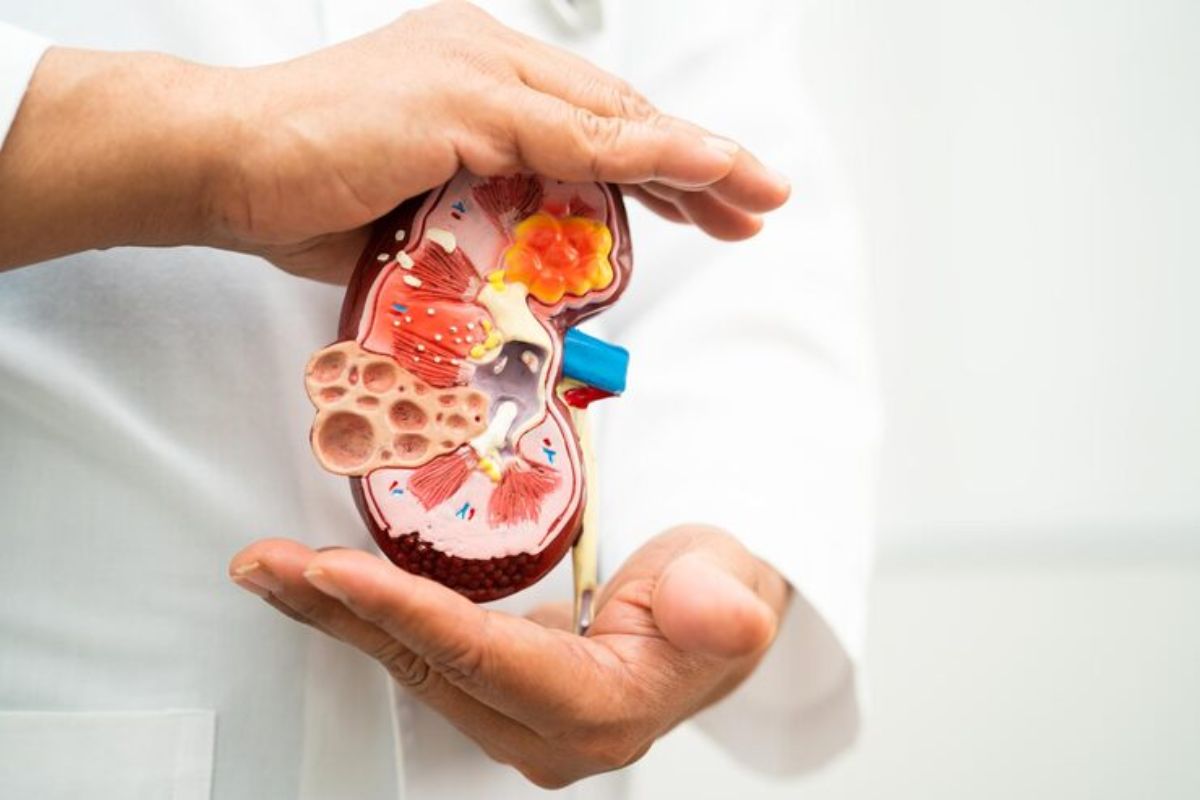
The surgery is done. The new kidney is working. Then, usually within a day or two of being home, a quieter anxiety settles in: what exactly is supposed to happen now? Most people picture transplant as the finish line. It isn’t. The best doctor for kidney transplant will say this clearly at discharge: what comes after surgery determines how long the kidney keeps working. Diet, medication, and consistent monitoring aren’t recommendations. They’re the actual care plan.
Diet After Kidney Transplant: What Changes and Why?
Food choices after transplant aren’t about restriction for its own sake. Each guideline exists because the transplanted kidney and the medications protecting it respond directly to what goes into the body.
- Sodium : High salt raises blood pressure, and sustained high blood pressure is one of the most reliable ways to damage a transplant kidney over time. Most patients are advised to stay well under 2,000 milligrams per day.
- Potassium : Some immunosuppressants push potassium levels up, high potassium affects heart rhythm. Blood results in the early weeks will guide exactly how much is safe rather than a fixed number applying to everyone.
- Phosphorus : The transplanted kidney handles phosphorus better than a damaged one did, but processed food and cola drinks still push levels higher than they should be.
- Protein : The body needs it to heal after major surgery, lean meat, fish, eggs and lentils all support recovery without overloading a kidney.
- Food Safety : Immunosuppressants suppress the whole immune system, raw or undercooked meat, unpasteurised dairy, and unwashed produce all carry a genuinely higher risk of serious infection after transplant.
One food that gets its own warning: Grapefruit. It interferes with how the liver breaks down several immunosuppressant drugs, which pushes drug levels unpredictably high. The best kidney transplant centre in Delhi connects patients with a renal dietician before discharge. Those appointments carry a lot of weight.
Medication After Kidney Transplant: What You’re Taking and Why It Matters?
The transplanted kidney is foreign tissue. The immune system is very good at recognising foreign tissue and attacking it. Immunosuppressant medications are what stand between the kidney and that response.
- Most patients take two or three of these drugs indefinitely.
- The doses start high after surgery and reduce gradually as results stabilize.
What the best kidney transplant surgeon in Delhi prescribes depends on the patient’s specific profile, blood monitoring results, and how the kidney responds in the early months.Some of these are:
- Calcineurin Inhibitors : Tacrolimus is the most commonly used, it dials down the immune response specifically around the transplanted organ without switching immunity off entirely.
- Antimetabolites : Mycophenolate is a familiar example, it reduces the production of immune cells that would otherwise accumulate around the new kidney.
- Steroids : Used at lower doses long-term in many patients, they add an additional layer of immune suppression on top of the other two.
- Missing a Dose : Drug levels drop faster and the window where rejection can begin is narrower than it sounds in a clinic. Most transplant teams recommend phone alarms and treating medication time the way a person treats breathing.
Side Effects
- Susceptibility to infection increases
- Long-term use raises the risk of certain cancers
- Skin cancer
- Sunscreen stops being optional
Long-Term Care: Monitoring, Warning Signs and What Comes Next?
The relationship with the transplant team doesn’t end at discharge. It changes shape. Blood tests are frequent in the first year, weekly or fortnightly in the early months, spacing out as results stabilize. They track creatinine and eGFR for kidney function, drug levels, blood pressure, blood sugar, and early signs of infection or rejection. The kidney transplant hospital in Delhi NCR watches all of these together because they interact in ways a single number can’t capture alone. These signs need same-day medical attention:
- Reduced Urine Output : A sudden drop is often the earliest detectable sign.
- Pain Or Tenderness Over The Transplant Site : The kidney sits in the lower abdomen, localised discomfort there isn’t something to monitor at home.
- Fever Above 38 Degrees Celsius : With immune suppression in place, fever means infection.
- Swelling Returning In The Legs Or Face : Fluid retention after a period of stability is worth reporting.
- Fatigue And Appetite Loss Coming Back : Easy to attribute to other things, but worth mentioning.
Most patients’ lives after transplant look more ordinary than they feared before surgery. Work, travel, moderate exercise: all realistic for the majority. The adjustments become routine. What stays constant is the monitoring schedule, the medication, and the discipline to report changes.
Final Words
PSRI Hospital Kidney Transplant department manages post-transplant care through nephrology, urology, dietetics, and transplant medicine working as one team. The department is led by Dr. Sanjiv Saxena, Chairman and Senior Consultant in Nephrology, and Dr. Anil Kumar Gulia, Director and Head of Urology and Renal Transplant. PSRI Hospital is NABH and NABL accredited, established since 1996, with 50,000+ successful cases. To book an appointment, call +91 84 84 84 84 17.
Frequently Asked Questions
1. Can a transplanted kidney last a lifetime?
Some do. Living donor kidneys average 15 to 20 years, often longer with consistent medication and monitoring. What happens after transplant matters as much as the surgery itself.
2. What happens if immunosuppressant medication is stopped?
The immune system moves quickly without it. Rejection can begin within days. Stopping these medications without medical guidance puts the kidney at serious and immediate risk.
3. When can transplant patients return to normal activity?
Light activity usually resumes within 4 to 6 weeks. Most return to work within 2 to 3 months. Heavy lifting needs specific clearance.

Leave a Reply
You must be logged in to post a comment.