Building Mental Toughness Through Cold Water Therapy
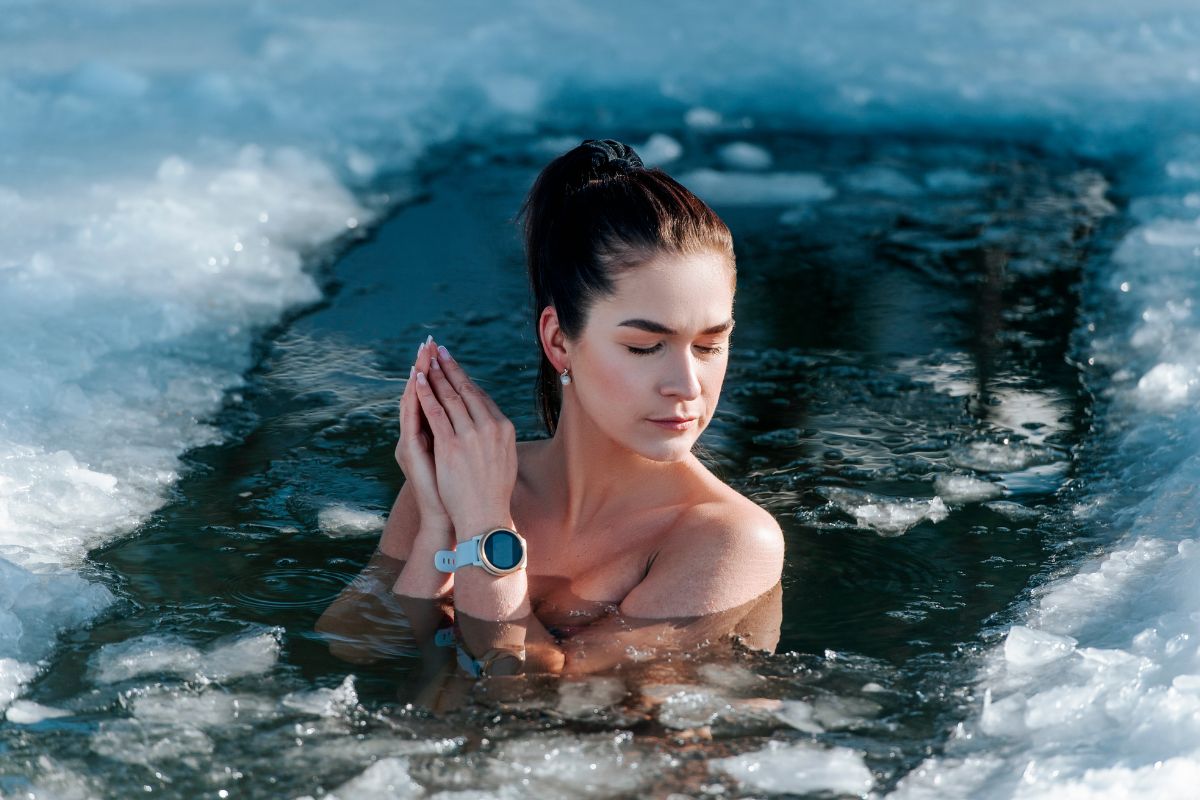
In a world that constantly demands resilience, focus, and emotional control, the concept of mental toughness has become more important than ever before. Whether you are navigating professional challenges, personal setbacks, or simply trying to stay consistent with your goals, the ability to remain calm under pressure and push through discomfort is a defining trait of high performers. While there are many ways to build this inner strength, one method that has gained remarkable attention for both its simplicity and effectiveness is cold water therapy.
Cold water therapy, often associated with ice baths, cold showers, or open-water immersion, is far more than a fleeting wellness trend. It is a deliberate practice that forces individuals to confront discomfort in a controlled and repeatable way. When you step into cold water, you are not just challenging your body, you are engaging in a powerful form of mental training that strengthens your ability to handle stress, regulate emotions, and stay composed in difficult situations.
To better understand its foundation, you can explore the scientific basis of cold water immersion, which explains how exposure to cold environments impacts both physiological and psychological systems. This article will take a deeper look into how cold water therapy builds mental toughness, why it works so effectively, and how you can integrate it into your lifestyle in a safe and sustainable way.
The Science Behind Cold Water Therapy and Mental Strength
Cold water therapy is rooted in a powerful interaction between the body and the brain, where exposure to cold acts as a controlled stressor that triggers a cascade of physiological responses. When your body encounters cold water, it immediately activates the sympathetic nervous system, which is responsible for the fight-or-flight response. This reaction is not subtle; your breathing becomes rapid, your heart rate increases, and your body prepares itself to deal with what it perceives as a threat.
However, what makes this process valuable is not the initial shock, but how your body and mind adapt over time. With repeated exposure, your nervous system becomes more efficient at regulating this stress response. Instead of panicking, you begin to control your breathing, stabilize your heart rate, and remain composed. This adaptation is essentially a form of stress training, where your mind learns to stay calm in situations that would normally trigger anxiety or discomfort.
In addition to this, cold exposure stimulates the release of important neurotransmitters such as dopamine and norepinephrine. These chemicals play a crucial role in enhancing mood, sharpening focus, and increasing alertness. As a result, many individuals report feeling more energized, mentally clear, and emotionally balanced after cold exposure sessions.
Recent discussions highlighted in cold therapy research trends show that scientists and wellness experts are increasingly exploring how these physiological responses contribute to long-term improvements in mental resilience, stress tolerance, and overall psychological well-being.
Training Resilience by Embracing Discomfort
At its core, mental toughness is built through repeated exposure to discomfort, and cold water therapy provides one of the most direct and effective ways to experience this. Unlike many challenges in life that are unpredictable or complex, cold exposure presents a simple and undeniable choice: step into discomfort or avoid it.
When you first enter cold water, your instinct is to escape. Your body tightens, your breathing becomes erratic, and your mind signals urgency. This moment is where the real training begins. Instead of reacting impulsively, you are encouraged to stay, breathe deeply, and regain control over your physical and emotional response.
This process has profound implications for everyday life. By practicing calmness in the face of physical stress, you develop the ability to respond more effectively to emotional and psychological stressors. Whether it is a high-pressure work situation, a difficult conversation, or an unexpected challenge, the skills you build in cold water begin to translate into real-world resilience.
Furthermore, cold water therapy gradually expands your comfort zone. What initially feels unbearable becomes manageable, and eventually, it may even become something you look forward to. This shift in perception is a powerful psychological transformation. You begin to understand that discomfort is not something to fear, but something that can be approached, managed, and even mastered.
Consistency plays a critical role in this process. Engaging in cold exposure regularly reinforces discipline and strengthens your ability to follow through on commitments, even when motivation is low. Over time, this discipline extends beyond cold therapy and influences other areas of your life, from fitness routines to professional responsibilities.
Cold Water Therapy in High Performance and Everyday Life
Cold water therapy has become a common practice among athletes, entrepreneurs, and individuals striving for peak performance. Its appeal lies not only in its physical benefits but also in its ability to sharpen mental clarity and emotional control.
Insights shared in Forbs on cold water therapy benifits highlight how professionals are increasingly adopting cold exposure as part of their daily routines to enhance focus, reduce stress, and improve overall performance. For athletes, the ability to remain calm under physical strain can directly impact performance during competition. For business leaders, managing stress effectively can lead to better decision-making and improved leadership.
What makes cold water therapy particularly valuable is its accessibility. You do not need specialized training or expensive equipment to get started. While some individuals choose to invest in advanced setups such as a commercial cold plunge or cold plunge tubs for convenience and consistency, the practice can be just as effective with a simple cold shower at home.
In everyday life, the benefits are equally significant. Cold exposure can help you start your day with a sense of alertness and purpose, improve your ability to handle stress throughout the day, and provide a structured way to challenge yourself regularly. It becomes a small but powerful habit that reinforces mental strength over time.
A Practical and Sustainable Approach to Getting Started
While the idea of stepping into cold water may seem intimidating at first, building a sustainable practice is all about gradual progression and mindful execution. The goal is not to shock your system excessively, but to introduce controlled discomfort in a way that promotes adaptation and growth.
A practical starting point is to incorporate cold exposure at the end of your regular shower. Begin by lowering the temperature for thirty seconds, focusing on maintaining steady and controlled breathing. As your tolerance improves, you can gradually increase the duration and intensity.
Breathing is one of the most important elements of this practice. Slow, deep breaths help regulate your nervous system and prevent the panic response that often accompanies cold exposure. By focusing on your breath, you create a sense of control and stability, even in an uncomfortable environment.
As you become more comfortable, you may choose to explore other forms of cold exposure, such as ice baths or outdoor swimming in cold conditions. Regardless of the method, consistency is key. Regular exposure, even in short sessions, is far more effective than occasional intense experiences.
It is also important to recognize your limits and prioritize safety. Individuals with certain health conditions should consult a healthcare professional before beginning cold water therapy. Listening to your body and progressing at a steady pace ensures that the practice remains beneficial rather than overwhelming.
The Deeper Psychological Impact
Beyond the immediate physical and mental benefits, cold water therapy fosters a deeper psychological shift in how you approach challenges and discomfort. It teaches you to reframe difficult situations, viewing them not as obstacles to avoid but as opportunities to grow stronger.
Each time you step into cold water and choose to stay, you reinforce a powerful belief in your own resilience. This repeated experience builds confidence, not just in your ability to endure physical discomfort, but in your capacity to handle life’s uncertainties.
Additionally, the intensity of cold exposure demands complete presence. In those moments, your focus is entirely on your breath, your body, and the experience itself. This level of mindfulness can carry over into other areas of your life, improving concentration, reducing overthinking, and enhancing overall mental clarity.
Conclusion: Strength Through Challenge
Building mental toughness is not about eliminating stress or avoiding discomfort. It is about developing the ability to face challenges with composure, confidence, and control. Cold water therapy offers a simple yet profoundly effective way to cultivate these qualities through consistent and intentional practice.
By embracing the discomfort of cold exposure, you train your mind to remain steady under pressure, strengthen your resilience, and build a deeper sense of self-discipline. Over time, this practice becomes more than just a physical routine, it becomes a mindset that influences how you approach every challenge in your life.

Leave a Reply
You must be logged in to post a comment.