Why Is Ashtanga Yoga TTC Important for Strength, Discipline and Flexibility
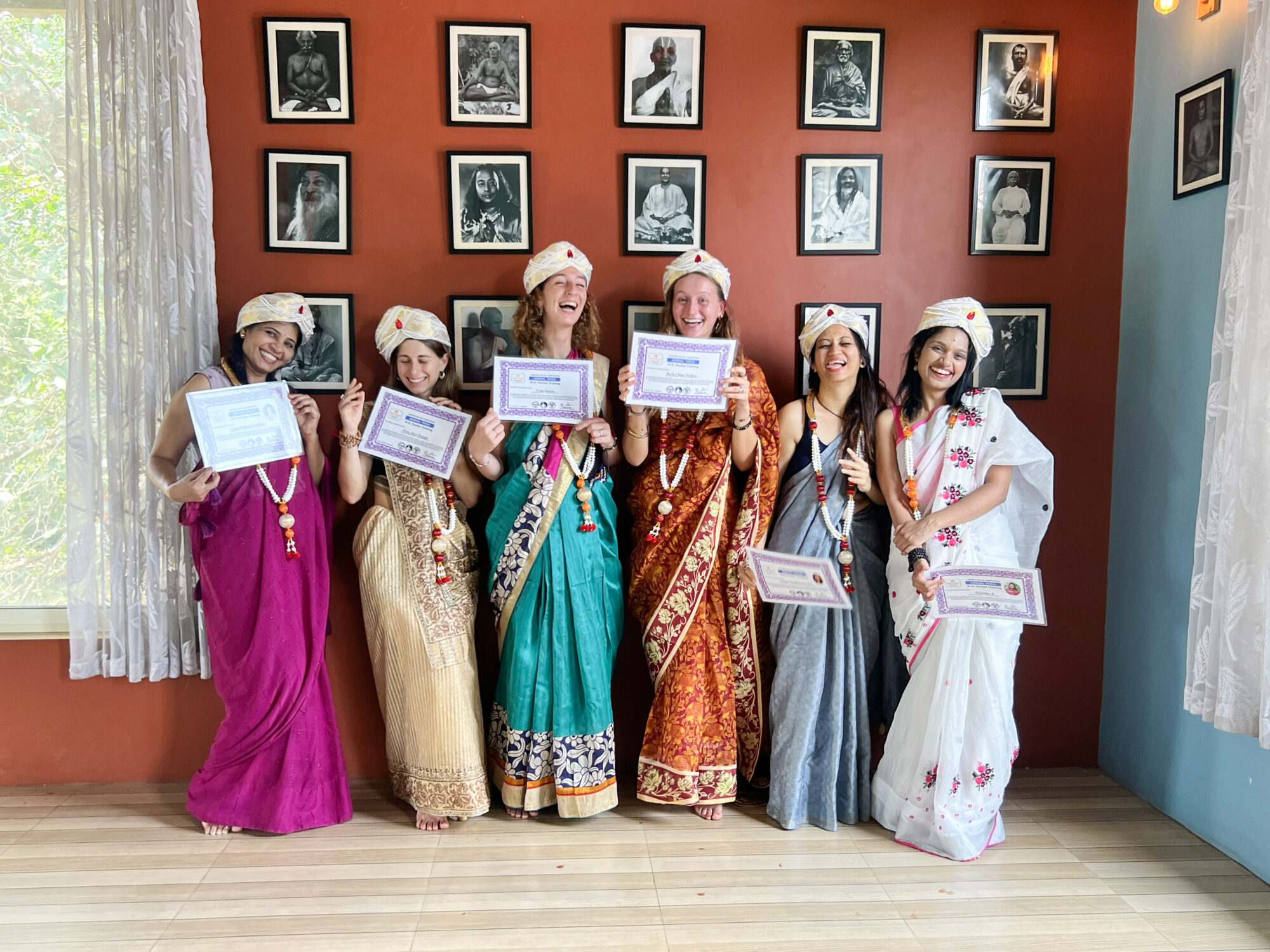
The term Ashtanga yoga comes from Sanskrit: Ashta, meaning eight, and Anga, meaning parts. The Ashtanga Yoga, as formulated by Patanjali, comprises eight limbs that help one cultivate and follow a holistic framework for a meaningful life. The eight elements are ethics, observances, posture, breath control, withdrawal of senses, focus, meditation, and enlightenment.
The Ashtanga yoga practice is one of the most powerful variants of yoga that combines the traditional teachings of yogic philosophy. It also offers a dynamic athletic style of physical postures along with breath work and conscious movement to make yoga transformative in all its senses.
This style of yoga has been made globally popular by Shri K Pattabhi Jois. This is the reason why the Ashtanga yoga teacher training in Goa attracts yoga enthusiasts and practitioners from various corners of the globe to seek a transformative experience in the coastal beauty of Goa.
The Ashtanga TTC is more than just any regular yoga teacher training course. It is an advanced and comprehensive journey that allows the students to experience physical strength, mental engagement, conscious breath work, and flexibility that they did not know existed.
Such training courses not only make the students physically agile and active. But also supports deep healing and activates the eight elements of Ashtanga through everyday practice. In this guide, we shall understand why the Ashtanga Yoga TTC is helpful in building strength, discipline, and flexibility.
What is Ashtanga Yoga?
The Ashtanga Yoga is basically a variation of traditional yoga that brings a structured sequence of physical asanas, also known as the Primary series. The unique feature about Ashtanga is that each of the postures has to be followed in a set pattern, along with synchronised breathing and active engagement of muscles to create a flow, which is also known as the Vinyasa flow.
So unlike the casual forms of yoga, Ashtanga demands the practitioner to follow a set series of sequences with discipline and active engagement.
Main components
- Ujjayi Pranayama – Breath work
- Asana training – Posture practice
- Drishti – Focused gaze
Building functional strength through Ashtanga
Building functional strength is the champion feature of Ashtanga practice. Functional strength is what keeps various muscle groups active and engaged, and it is helpful in day-to-day movement and posture holding.
The functional strength comes from the plank variations or arm balances and core strengthening exercises that you perform.
What changes can you see?
- A strengthened core
- Better functional mobility
- Strong upper body
- Enhanced endurance
- Better leg strength
Cultivating consistency and discipline through structure
The 200-hour yoga teacher training in Goa is one of the best ways to cultivate consistency and discipline through structure. When it comes to Asthanga practice, putting in consistent efforts brings gradual progress and routine.
Initially, this might come across as challenging. But it is the initial efforts that lay the foundation for a powerful sense of commitment to the practice.
Building flexibility and athleticism
Ashtanga yoga is one of the favourite yoga styles for people who admire an active moment or for athletes or sportspersons who want to recover, as well as build a strong core and flexibility.
This is because the series of structures of asthma helps one to engage and open up various parts of their body, such as the hip joints, the shoulder muscles, the spine, and the hamstrings. This helps one build flexibility without putting any unnecessary strain on the body.
Ujjayi breathing in Ashtanga practice
In any style of yoga, breath work is an important component. Yoga is absolutely incomplete without breath work. Especially in the Ashtanga practice, certain breathing work techniques, such as the Ujjayi breathing or the oceanic breathing,g are a major element.
The Ujjayi technique involves the practitioner to practise slow,d a controlled breathwork. This involves creating a gentle ocean-like sound in the throat. It is this breathing technique that helps one combine movement with synchronised breath work, improves their flow of oxygen, and relaxes the nervous system.
Drishti, engagement,t and mindfulness
The beauty of the Ashtanga practice is that it is not just physical asana practise. But it is also an active engagement of the conscious mind and breath work. So Drishti, that is, focus gaze, plays a very important role in helping the practitioners progress.
It allows them to focus clearly, avoid distraction,s and reach a meditative state which will help them to grow in their practice.
Equipping oneself with classical yoga Philosophy
In addition to learning the breath work techniques and physical asana practices, such training courses teach one the knowledge of classical yoga textbooks. It introduces them to yoga philosophy to understand the theoretical aspects as well as to lead a yogic way of life.
Developing healthy rituals
The Ashtanga yoga benefits go beyond just the physical postures and breath work techniques. Overall, this course helps yoga enthusiasts to learn and understand yoga in its truest form. And it is through active physical asana practice and conscious breath work that the practitioner becomes a yogi.
Why choosing a TTC in Ashtanga Yoga can be transformational?
Going for a yoga teacher training course in Ashtanga yoga can be deeply transformational and a life-altering opportunity. It not only exposes the students to explore new career pathways and build a specialized niche for themselves. But in addition to this, it also helps them develop a comprehensive journey. It develops his body, mind, and understanding of yoga and makes yoga therapeutic.
Summary
This is the reason why the Ashtanga yoga teacher training Goa, attracts yoga enthusiasts and practitioners from various corners of the globe to seek a transformative experience in the coastal beauty of Goa
Source
Adiyogam Goa

Leave a Reply
You must be logged in to post a comment.