How Air Freight Cargo Services Transform Global Supply Chain Logistics
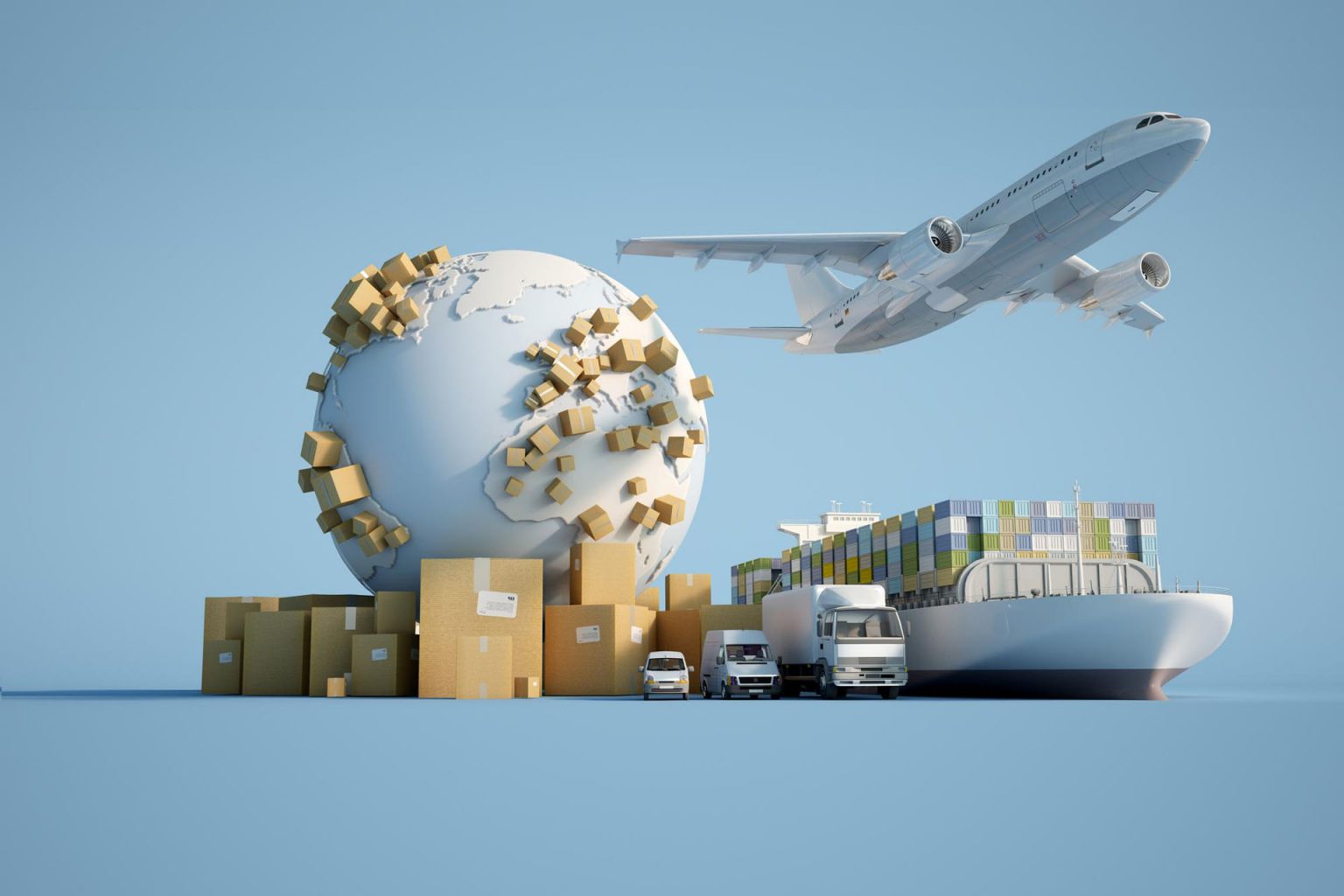
The modern global economy moves at a pace that would have been unimaginable just a few decades ago. As consumer expectations for rapid delivery increase and businesses strive to maintain lean inventory levels, the role of air freight cargo services has become more critical than ever before. This mode of transport serves as the high-speed circulatory system of international trade, ensuring that high-value, time-sensitive, and perishable goods reach their destinations across continents in a matter of hours rather than weeks.
The Evolution of International Air Logistics
Air transport for commercial goods began as a niche luxury but has evolved into a standard necessity for various industries. In the early days, planes were small and fuel costs were prohibitive for anything other than mail or emergency medical supplies. Today, massive wide-body aircraft and dedicated freighters carry everything from the latest smartphones to temperature-controlled pharmaceuticals.
Shift in Consumer Behavior
The rise of e-commerce has been the single most significant driver of change in the logistics sector. When a customer orders a product from an international vendor, they often expect it to arrive within a business week. This pressure has forced retailers to rely heavily on air networks to bypass the slow transit times associated with ocean shipping.
Technological Advancements in Aviation
Modern cargo planes are more fuel-efficient and have greater capacities than their predecessors. Innovations in lightweight materials and engine design have allowed carriers to lower the cost per ton-mile, making air freight a more viable option for a broader range of products. Furthermore, digital tracking systems now provide real-time visibility, allowing shippers to monitor their cargo’s journey through every waypoint.
Why Choose Air Freight Cargo Services?
Deciding which transportation mode to use is a balancing act between cost, speed, and reliability. While air transport is generally more expensive than sea or land options, the benefits often outweigh the higher freight charges, especially when the opportunity cost of a delay is high.
Unmatched Speed and Efficiency
The primary advantage of air cargo is, quite simply, speed. When a manufacturing line in North America is halted because of a missing component from a factory in Asia, the cost of downtime can reach thousands of dollars per minute. In such scenarios, the premium paid for air transport is a small price for the immediate resolution of a supply chain crisis.
Enhanced Security and Reduced Risk
Airports are among the most heavily regulated and monitored environments in the world. This high level of security significantly reduces the risk of theft and pilferage. Additionally, because the duration of the journey is shorter and the handling is more standardized, the likelihood of cargo damage is much lower compared to the rougher transit experienced on container ships.
Lower Insurance Premiums
Because the transit time is brief, insurance companies often offer lower premiums for air shipments. The logic is straightforward: the less time a product spends in transit, the less time it is exposed to potential perils. This saving can partially offset the higher initial shipping rates.
Key Industries Reliant on Air Transport
Certain sectors of the economy simply could not function in their current form without the existence of robust air cargo networks. These industries prioritize precision and speed over the raw volume capacity of ocean liners.
Pharmaceuticals and Healthcare
Many life-saving medications and vaccines are highly sensitive to temperature fluctuations. The pharmaceutical industry utilizes specialized “cold chain” air logistics to move these products across the globe while maintaining a strict temperature range. According to Wikipedia, the transportation of such sensitive goods requires specialized containers and ground handling procedures to ensure efficacy upon arrival.
High-Tech and Electronics
The electronics industry operates on incredibly tight product lifecycles. When a new flagship smartphone or gaming console is launched, manufacturers must flood the market simultaneously to meet peak demand. Air freight allows these companies to move massive volumes of inventory from assembly plants to retail shelves in days, preventing stockouts during critical sales windows.
Fashion and Perishables
The “fast fashion” model relies on the ability to move designs from the catwalk to the consumer in record time. Similarly, the trade of fresh flowers, exotic fruits, and high-end seafood depends on the speed of flight to ensure that the products remain fresh and marketable when they reach the end user.
Understanding the Logistics Workflow
The process of moving goods via air is a complex choreography involving multiple stakeholders, including shippers, freight forwarders, ground handlers, and customs officials.
From Warehouse to Tarmac
The journey begins with the preparation of the cargo. Goods are typically packed into Unit Load Devices (ULDs), which are specialized pallets or containers designed to fit the contours of an aircraft’s cargo hold. This standardization allows for rapid loading and unloading, maximizing the time the aircraft spends in the air.
The Role of Integrated Providers
While some companies manage their own logistics, many partner with experts to handle the “last mile” or specialized segments of the journey. For instance, while air freight handles the long-haul portion, TerraLink Logistics offers drayage shipping services to bridge the gap between ports, rail ramps, and local distribution centers. This integration ensures that the speed gained in the air is not lost on the ground.
Customs and Compliance
Navigating the regulatory landscape of international trade is one of the most challenging aspects of air cargo. Every country has its own set of rules regarding duties, taxes, and restricted items. Professional freight forwarders play a vital role here, acting as intermediaries who ensure that all paperwork is in order to prevent costly delays at border crossings.
The Future of Air Cargo: Trends to Watch
As we look toward the future, several trends are poised to reshape the landscape of air freight cargo services. Sustainability and automation are at the forefront of this transformation.
Green Aviation and Sustainability
The aviation industry is under increasing pressure to reduce its carbon footprint. In response, airlines are investing in Sustainable Aviation Fuel (SAF) and exploring the potential of electric or hydrogen-powered cargo drones for short-haul deliveries. Recent reports on Google News indicate that major logistics hubs are already testing autonomous flight technologies to streamline middle-mile delivery.
Artificial Intelligence in Logistics
AI is being used to optimize flight paths, predict maintenance needs for aircraft, and manage warehouse inventory with surgical precision. By analyzing vast amounts of data, AI can help logistics providers anticipate demand surges and adjust their capacity accordingly, leading to more stable pricing and better service reliability.
The Growth of Emerging Markets
As manufacturing bases shift and middle-class populations grow in regions like Southeast Asia and Africa, new air trade lanes are opening up. This diversification of the global supply chain requires more flexible and resilient air cargo networks that can adapt to geopolitical shifts and changing economic landscapes.
Strategic Considerations for Businesses
For a business to effectively leverage air freight, it must integrate logistics into its broader corporate strategy. It is not just about moving boxes; it is about creating a competitive advantage.
-
Cost-Benefit Analysis: Companies should regularly evaluate whether the speed of air freight justifies the cost by calculating the “total cost of ownership,” including inventory carrying costs and potential lost sales.
-
Partner Selection: Choosing a logistics partner with a global reach and specialized expertise in your specific industry is crucial.
-
Digital Integration: Utilizing platforms that offer end-to-end visibility allows for better decision-making and more proactive communication with customers.
To stay updated on the latest standards and industry classifications, professionals often consult resources like Forbes for insights into how global shipping trends affect the broader financial markets and investment strategies.
Conclusion
The world of air freight cargo services is a dynamic and essential component of modern commerce. By bridging the gap between distant markets with unprecedented speed, it enables businesses to be more agile, responsive, and global than ever. Whether you are shipping high-tech components or essential medical supplies, understanding the nuances of air logistics is the key to maintaining a seamless supply chain.

Leave a Reply
You must be logged in to post a comment.