What Does a Retail Security Guard Do?
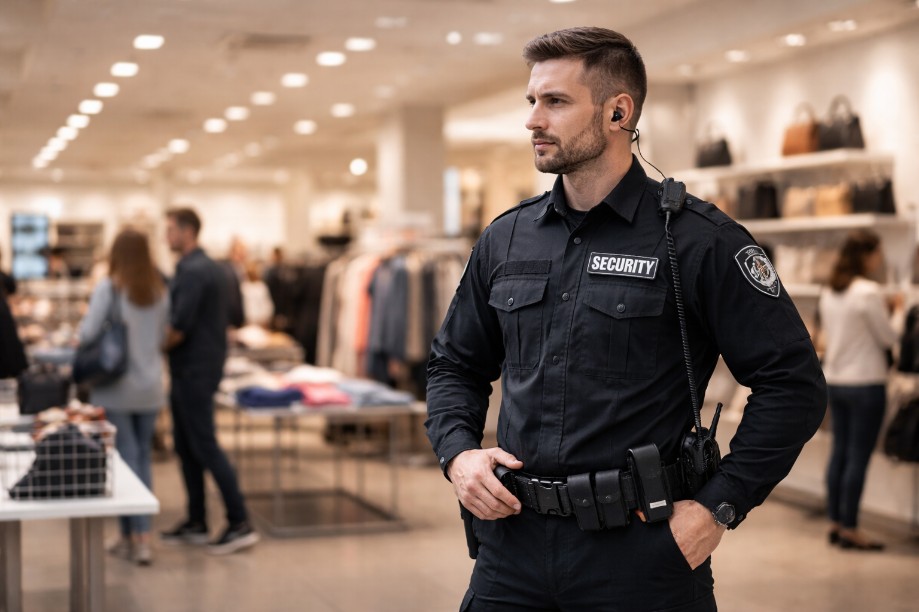
I used to think a retail security guard’s job was just standing near the door with crossed arms, watching everyone walk in and out. Then I worked late shifts in a shopping center for a while and started paying attention. Turns out, there’s a lot more going on than just looking serious.
If you’ve ever wondered what people in retail security actually do all day, here’s the real-life version—not the movie version.
They’re there to prevent problems, not just react to them
The biggest part of retail security is stopping trouble before it starts. A visible guard alone can change how people behave. When someone knows they’re being watched, they’re less likely to try anything shady.
Most guards are trained to:
-
Watch customer behavior, not just faces
-
Notice patterns (like someone pacing the same aisle over and over)
-
Spot nervous or suspicious movements
-
Keep an eye on blind spots
This is one of those security services that works quietly. If it’s done right, nothing dramatic happens—and that’s the goal.
They deal with shoplifting more than anything else
Let’s be honest: shoplifting is the main issue in most stores. Retail security guards aren’t there to tackle people or chase them through the parking lot. Their job is more about:
-
Observing
-
Confirming what actually happened
-
Following store rules on how to respond
-
Calling a manager or police if needed
From what I’ve seen, most situations are handled calmly. A guard might quietly alert staff or escort someone to the office. No yelling, no scene—just control and paperwork.
They help customers more than you’d expect
This surprised me the most. A retail security guard isn’t just watching for theft. They often:
-
Give directions
-
Help lost kids find parents
-
Walk employees to their cars
-
Break up arguments
-
Handle small emergencies
People tend to trust them because they look official and calm. In a busy store, that can make a big difference.
They also watch employees (in a respectful way)
It’s awkward to say, but internal theft happens too. Retail security doesn’t just focus on customers. Guards sometimes monitor:
-
Stockroom access
-
Loading docks
-
Staff-only doors
-
Unusual employee behavior
This isn’t about accusing people—it’s about keeping things fair and safe. Most employees actually feel better knowing there’s structure and accountability.
They work closely with cameras and alarms
Retail security today isn’t just about walking around. Guards usually work with:
-
CCTV systems
-
Door sensors
-
Panic buttons
-
Alarm panels
If a camera flags something or an alarm goes off, the guard checks it out. Think of them as the human part of the store’s security services setup. Technology alerts them, and they decide what to do next.
They’re trained to stay calm under pressure
One thing you notice fast is how calm good guards stay. Angry customers, suspected theft, medical issues—it all lands on their plate.
They’re trained to:
-
De-escalate tense situations
-
Keep their voice steady
-
Avoid physical force unless necessary
-
Follow legal and store procedures
That’s a big deal in retail security. A bad reaction can turn a small issue into a serious one.
A real-world example
I once saw a guard deal with a heated argument between two customers over a return. Instead of choosing sides, he separated them, called a manager, and kept things from getting loud. No police, no scene, no chaos. Just calm handling.
That’s the kind of thing people don’t notice—but it keeps stores from turning into stress zones.
Why stores invest in retail security
From what I’ve observed, stores use retail security for three main reasons:
-
Reduce theft
-
Protect staff
-
Make shoppers feel safe
It’s not just about money. It’s about atmosphere. When customers feel safe, they stay longer and come back.
Retail security is really just a specialized part of security services, focused on public spaces where people move around freely. It’s a tricky balance: protect the store without making it feel like a prison.
Is retail security right for every store?
Not always. A small boutique might rely on cameras and staff awareness. A large mall store or electronics shop usually needs trained guards. It depends on:
-
Store size
-
Location
-
Type of products
-
Foot traffic
High-value items mean higher risk. That’s where retail security makes the most sense.
Final thoughts
A retail security guard does more than just watch doors. They prevent theft, manage conflict, help customers, and support staff—all while staying calm and professional.
If you’ve ever felt safer walking into a store at night or seen someone quietly handle a tense situation, chances are a guard was doing their job well.
It’s one of those security services people only notice when it’s missing. And once you start paying attention, you realize how much work goes into keeping everyday shopping simple and safe
Summary
Learn what retail security guards do daily—prevent theft, handle incidents, help shoppers, and keep stores calm and safe.
Source
https://www.advancedguards.com/

Leave a Reply
You must be logged in to post a comment.