How Do Janitors Deal With High-Touch Surfaces During Flu Season?
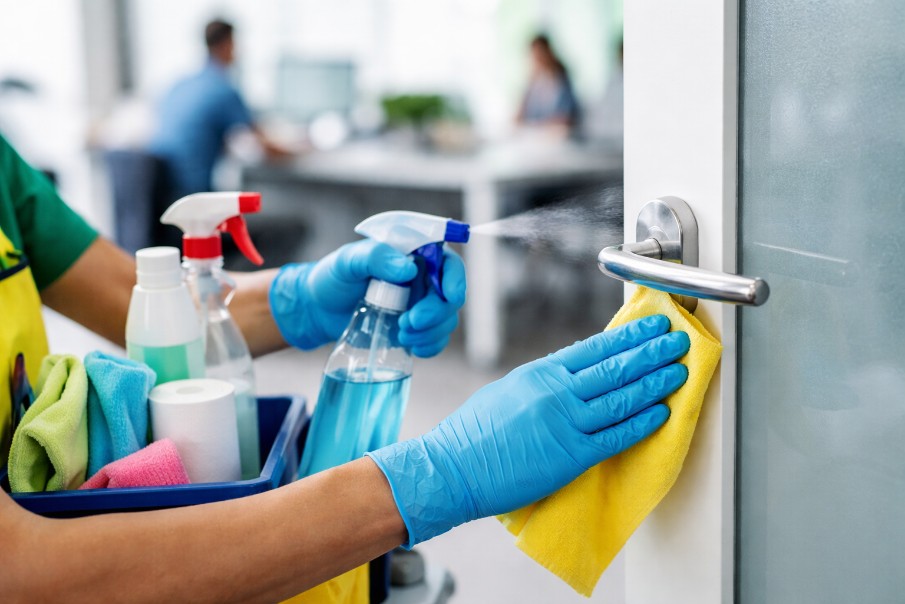
Flu season changes how people look at everyday objects. Suddenly, door handles feel suspicious. Elevator buttons look dangerous. Even the break room microwave becomes a threat.
If you’ve ever wondered how janitors keep up with all that during flu season, the short answer is: they get way more focused on the stuff everyone touches all the time.
And honestly, it makes sense.
What counts as a “high-touch” surface?
These are the things people don’t think about but touch constantly:
-
Door handles
-
Light switches
-
Handrails
-
Elevator buttons
-
Desks and counters
-
Phones and keyboards
-
Faucet handles
-
Break room tables
-
Waiting room chairs
Once you start noticing them, you realize how fast germs can spread. One sick person touches a handle, and ten healthy people touch it right after. That’s how flu season turns into flu office.
It’s not just about wiping things down
A lot of people assume cleaning is just spraying and wiping. During flu season, it’s more intentional than that.
Janitors usually:
-
Clean these surfaces more often
-
Use disinfectants meant to kill viruses
-
Let products sit for the right amount of time
-
Follow a routine instead of random cleaning
That “sit time” part matters. Disinfectants need a few minutes to actually work. Wiping too fast can make things look clean without really being clean.
This is one reason many workplaces lean on Janitorial cleaning services instead of handling everything themselves. Professionals tend to follow proper steps instead of rushing through.
Medical spaces have higher standards
Offices are one thing. Clinics and medical buildings are another level.
In those places, high-touch surfaces are treated like priority zones:
-
Check-in counters
-
Armrests in waiting rooms
-
Exam room surfaces
-
Bathroom fixtures
Medical cleaning services usually follow stricter rules because people there are already sick or vulnerable. It’s not about appearances—it’s about lowering risk.
And even in non-medical workplaces, flu season pushes cleaning closer to that medical-style mindset: frequent, focused, and careful.
Gloves, tools, and technique matter
It’s not just what gets cleaned. It’s how.
Good janitors:
-
Change cloths often so they don’t spread germs
-
Wear gloves when needed
-
Use different tools for bathrooms and common areas
-
Start with cleaner areas and move toward dirtier ones
That way, they’re not dragging germs from the restroom to the front desk. It sounds obvious, but it’s something people only notice when it’s done wrong.
Frequency goes way up
During flu season, “once a day” usually isn’t enough for busy places.
High-touch areas might get cleaned:
-
In the morning
-
Midday
-
End of day
Especially in:
-
Schools
-
Healthcare buildings
-
Large offices
-
Warehouses with shared equipment
The goal is to reduce buildup, not wait until things look dirty.
It’s partly about psychology
Clean surfaces don’t just reduce germs. They also calm people down.
When you see someone wiping handles and counters regularly, it sends a message: “Someone’s paying attention.”
That lowers anxiety, especially in:
-
Waiting rooms
-
Clinics
-
Crowded workplaces
People feel safer touching things when they know someone’s been cleaning them on purpose.
Break rooms are sneaky germ zones
Everyone focuses on bathrooms, but break rooms are just as bad during flu season.
Think about:
-
Shared fridge handles
-
Coffee machines
-
Microwaves
-
Table surfaces
One person with the flu heats up lunch and touches three or four surfaces. Then ten more people come in after them.
That’s why janitors usually include break rooms in their high-touch routines, even if they don’t look dirty.
It’s teamwork, not just janitors
Cleaning helps, but people still have to:
-
Wash hands
-
Stay home when sick
-
Use tissues
-
Wipe shared equipment
Janitors reduce the risk. They don’t magically remove it. But during flu season, their work quietly keeps a lot of outbreaks from spreading further.
It’s not about being perfect
No place can be 100% germ-free. That’s not realistic.
What is realistic:
-
Lowering exposure
-
Cleaning smart
-
Focusing on the right surfaces
-
Staying consistent
That’s the real goal behind Janitorial cleaning services and medical cleaning services during flu season—making everyday spaces safer without turning them into science labs.
Final thought
Most people don’t notice when high-touch surfaces are cleaned well. But they absolutely notice when they aren’t.
Flu season makes those small details matter more. Door handles, desks, and counters quietly shape how healthy a space feels.
So the next time you see someone wiping down light switches or elevator buttons, that’s not busywork. That’s flu season defense. And it’s doing more for your workplace than most people realize
Summary
Janitors focus on disinfecting high-touch surfaces more often during flu season to reduce germ spread and keep shared spaces safer.
Source
https://www.interworldcleaning.com/

Leave a Reply
You must be logged in to post a comment.