Animal Experiments With MyCalPharm
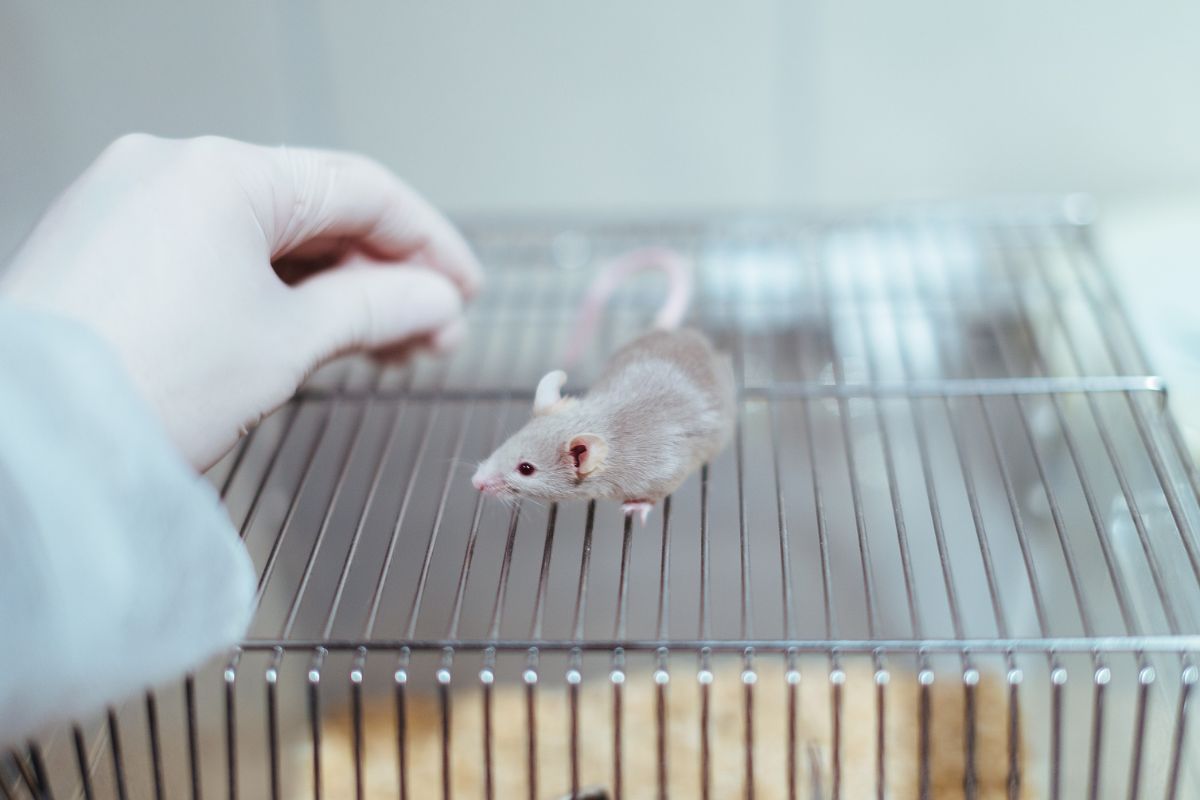
Animal experiments have long been an integral part of pharmacology and biomedical research. They help scientists and students understand the effects of drugs, explore disease mechanisms, and develop treatments that save countless human and animal lives. However, conducting animal experiments in the traditional way brings with it significant ethical, logistical, and regulatory challenges. Today, technology is transforming this field—and that’s where MyCalPharm comes in.
In this blog post, we’ll explore the importance of animal experiments, the controversies and responsibilities they entail, and how MyCalPharm offers an innovative, computer-assisted alternative that benefits students, educators, and institutions alike.
Why Animal Experiments Matter in Pharmacology
Animal experiments provide an essential bridge between theoretical knowledge and real-world application. Before any drug is approved for human use, its safety and efficacy must be rigorously tested. Animals such as rats, mice, rabbits, and guinea pigs serve as biological models to simulate human physiology and predict responses to medications.
In the academic context, animal experiments help students:
- Visualize pharmacodynamic and pharmacokinetic principles (how drugs act and move within a living organism).
- Develop practical skills, including dosage calculations, observations, and data recording.
- Understand variability in biological responses between individuals and species.
Whether for undergraduate or postgraduate pharmacology students, the hands-on experience with animal experiments traditionally forms a core part of the curriculum.
Ethical Considerations of Animal Experiments
While animal experiments are scientifically valuable, they have also been the subject of extensive debate and scrutiny. Ethical frameworks such as the 3Rs principle—Replacement, Reduction, and Refinement—guide researchers to:
- Replace animal use wherever possible with alternative models.
- Reduce the number of animals used to obtain valid results.
- Refine experimental procedures to minimize pain and distress.
Regulatory bodies and institutional ethics committees worldwide enforce strict guidelines to protect animal welfare. Even with the best practices, however, concerns remain about the necessity of sacrificing sentient beings for the sake of education.
This is where technological innovations like MyCalPharm provide a forward-looking solution.
MyCalPharm: A New Paradigm for Learning Animal Experiments
MyCalPharm is a Computer Assisted Learning (CAL) platform designed to simulate the experience of animal experiments in pharmacology. Instead of relying on live animals, MyCalPharm recreates realistic experimental conditions using high-quality animations, interactive interfaces, and validated pharmacological models.
Here are some standout features that make MyCalPharm a game changer:
1. Immersive Animations
Each experiment is illustrated step by step with clear visuals, helping students understand procedures without needing to handle animals.
2. 37 Comprehensive Programs
From studying dose-response curves to exploring the effects of agonists and antagonists, MyCalPharm covers a wide range of classic pharmacological experiments.
3. Realistic Simulations
The outcomes generated by the software closely resemble those obtained in physical laboratories, enabling accurate data analysis and interpretation.
4. User-Friendly Interface
Even students with limited technical experience find it easy to navigate MyCalPharm’s modules.
5. Compliance with Ethical Standards
By reducing or replacing live animal use, MyCalPharm aligns perfectly with the 3Rs principle and institutional ethics guidelines.
By integrating MyCalPharm into the pharmacology curriculum, educators can ensure their students gain exposure to animal experiments in an ethical, efficient, and cost-effective manner.
Aligning with Modern Educational Standards
Accrediting bodies and universities increasingly recognize the value of digital resources to meet both pedagogical and ethical obligations. In India, the Medical Council and Pharmacy Council encourage integrating computer-assisted techniques to reduce reliance on animal experiments.
MyCalPharm is specifically developed to meet these evolving standards. Institutions adopting MyCalPharm demonstrate a proactive commitment to modern, humane, and effective education. Additionally, students trained with this software are better prepared for the expectations of contemporary research environments, where alternatives to animal use are gaining priority.
Conclusion
The importance of animal experiments in pharmacology cannot be overstated. They have helped generations of scientists discover life-saving medicines and understand fundamental biological processes. However, the ethical, logistical, and emotional challenges associated with traditional animal experiments call for innovative approaches.
MyCalPharm is transforming how pharmacology is taught, replacing or supplementing live animal use with realistic simulations that adhere to ethical standards without compromising educational outcomes.
By adopting MyCalPharm, institutions demonstrate leadership in humane education while equipping students with the knowledge and skills they need to excel in modern biomedical science.
If you are ready to explore how MyCalPharm can revolutionize your pharmacology teaching, get in touch today—and be part of a movement that respects both science and life.
Summary
MyCALPharm is a Computer Assisted Learning (CAL) technique, an innovative platform designed for undergraduate (UG) and postgraduate (PG) students, providing a comprehensive and immersive experience in the fields of animal experiments in pharmacology.
Source
https://mycalpharm.com

Leave a Reply
You must be logged in to post a comment.