8 Tips For Getting The Most Out Of Your Air Filter
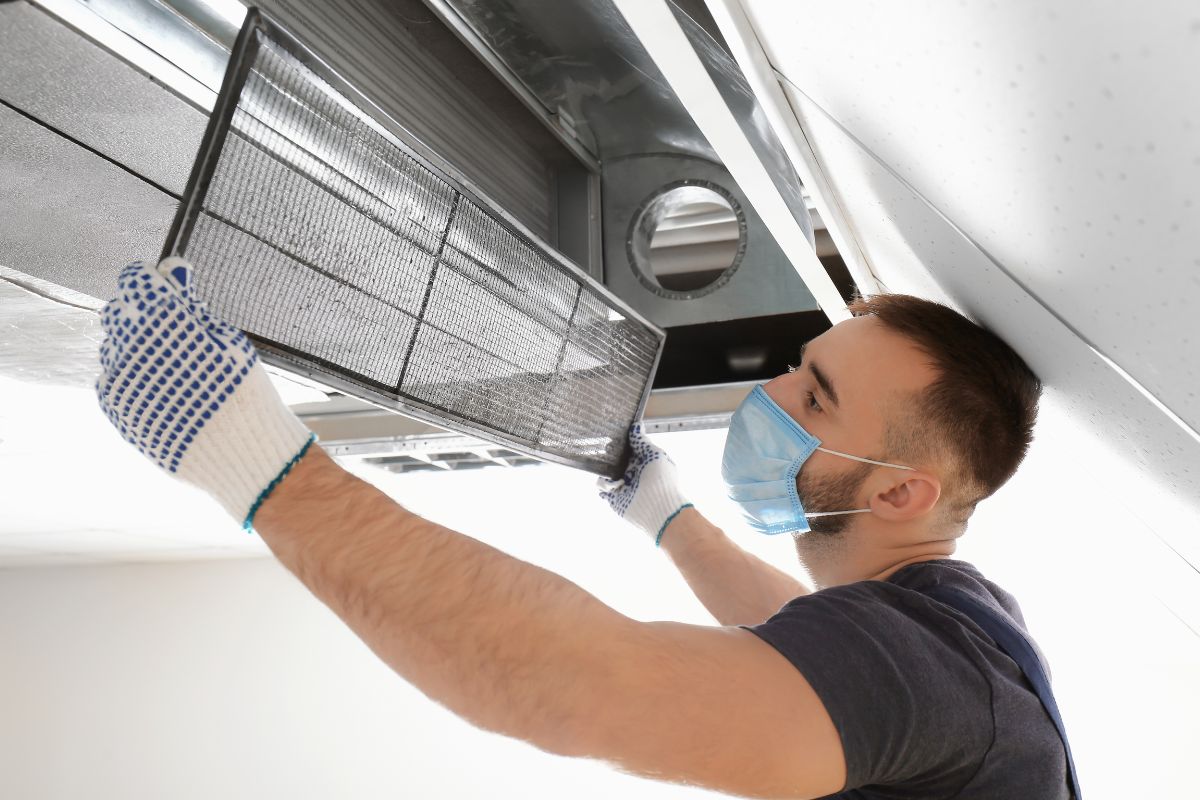
Your air filter plays a much bigger role in your home than many people realize. It quietly works behind the scenes to trap dust, allergens, pet dander, and other airborne particles, helping you breathe cleaner air every day. At the same time, it protects your HVAC system from unnecessary strain, improving efficiency and extending its lifespan. When an air filter is neglected, however, it can quickly become a hidden problem that affects indoor air quality, energy bills, and overall comfort.
Many homeowners install an air filter and forget about it until something goes wrong. Rising energy costs, uneven heating or cooling, strange odors, and worsening allergy symptoms are often signs that the filter is not doing its job properly. The good news is that getting the most out of your air filter does not require expensive upgrades or complicated maintenance. With a few smart habits and informed choices, you can significantly improve how your HVAC system performs while creating a healthier indoor environment.
This guide shares eight practical and easy to follow tips to help you maximize the performance of your air filter. Whether you are focused on improving air quality, lowering energy bills, or extending the life of your HVAC system, these tips will help you make informed decisions and avoid common mistakes.
Understanding the Role of an Air Filter in Your HVAC System
Before diving into the tips, it helps to understand why the air filter is so important. The air filter sits within your HVAC system and acts as a barrier between the air circulating through your home and the sensitive internal components of the system. Every time your HVAC unit runs, air passes through the filter. Dust, pollen, mold spores, and other contaminants get trapped, while cleaner air continues through the system and into your living space. A clean and properly selected air filter helps your HVAC system operate efficiently.
When airflow is unrestricted, the system does not need to work as hard to heat or cool your home. This leads to more consistent temperatures, lower energy usage, and reduced wear on parts like the blower motor and coils. On the other hand, a clogged or incorrect air filter can restrict airflow, forcing the HVAC system to run longer cycles and consume more energy. Indoor air quality is another major factor.
People spend a large portion of their time indoors, and poor air quality can contribute to headaches, allergies, respiratory irritation, and fatigue. An effective air filter helps reduce airborne pollutants, making your home a more comfortable and healthier place to live. With that foundation in mind, let us explore eight tips that will help you get the most value and performance from your air filter.
Tip 1: Choose the Right Air Filter for Your Needs
Not all air filters are created equal. Choosing the right one is the first and most important step toward better air quality and efficient HVAC performance. Filters come in a variety of materials, thicknesses, and ratings, and selecting the wrong type can cause more harm than good. The most common way to measure air filter effectiveness is the MERV rating, which stands for Minimum Efficiency Reporting Value. MERV ratings typically range from 1 to 16 for residential use. Lower ratings capture larger particles like dust and lint, while higher ratings can trap smaller particles such as pollen, mold spores, and some bacteria.
While it may seem tempting to choose the highest MERV rating available, this is not always the best choice. High efficiency filters can restrict airflow if your HVAC system is not designed to handle them. Reduced airflow can lead to decreased efficiency, higher energy costs, and even system damage over time. It is important to check your HVAC manufacturer’s recommendations before selecting a high MERV air filter. For most homes, a MERV rating between 8 and 11 offers a good balance between filtration and airflow. This range is effective at capturing common allergens without overworking the HVAC system.
Homes with pets, smokers, or allergy sufferers may benefit from the higher end of this range. Also consider the filter material. Fiberglass filters are inexpensive but less effective. Pleated filters provide better particle capture and typically last longer. Washable filters can be reused but require regular and thorough cleaning to remain effective. Choosing the right air filter sets the foundation for everything else. It ensures your HVAC system can operate efficiently while providing cleaner air for your home.
Tip 2: Replace or Clean Your Air Filter on a Consistent Schedule
One of the simplest yet most overlooked steps in air filter maintenance is timely replacement or cleaning. Even the best air filter cannot perform well once it becomes clogged with debris. Over time, trapped particles build up and restrict airflow, reducing efficiency and increasing strain on your HVAC system. How often you should replace your air filter depends on several factors. These include the type of filter, household size, presence of pets, and overall air quality in your area. As a general guideline, disposable air filters should be replaced every 30 to 90 days.
Homes with pets or allergy sufferers may need more frequent changes, sometimes as often as every 30 to 45 days. If you use a washable air filter, it should be cleaned according to the manufacturer’s instructions. This typically involves rinsing it thoroughly and allowing it to dry completely before reinstalling. Installing a damp filter can encourage mold growth and reduce effectiveness. A good habit is to check your air filter once a month.
Even if it does not need immediate replacement, this quick inspection helps you stay aware of its condition. Setting calendar reminders or tying filter checks to a monthly routine can make this task easier to remember. Regular air filter maintenance keeps airflow steady, reduces energy consumption, and helps your HVAC system run smoothly throughout the year.
Tip 3: Install the Air Filter Correctly Every Time
Surprisingly, improper installation is a common issue that limits the effectiveness of an air filter. Even a high quality filter will not work as intended if it is installed incorrectly. Most air filters have arrows printed on the frame indicating the direction of airflow. This arrow should always point toward the HVAC unit, not toward the return vent. Installing the filter backward can cause it to collapse, reduce filtration efficiency, and allow unfiltered air to bypass the filter entirely. Size also matters.
Using an air filter that is too small can leave gaps around the edges, allowing dust and debris to enter the HVAC system without being filtered. A filter that is too large may not fit properly and could bend or warp, again allowing air leakage. Take the time to check the exact dimensions recommended for your HVAC system. If you are unsure, consult the system manual or ask a professional. Ensuring a snug and correct fit helps your air filter perform at its best and protects the internal components of your HVAC system.
Tip 4: Keep Your Home Cleaner to Reduce Filter Load
Your air filter works hardest when there is a lot of airborne debris to capture. By keeping your home cleaner, you can reduce the load on the air filter and extend its lifespan. Regular vacuuming, especially with a vacuum that has a HEPA filter, helps remove dust, pet hair, and allergens from carpets and upholstery before they become airborne. Sweeping and mopping hard floors also prevents dust from circulating through the HVAC system. Pay attention to high dust areas like shelves, ceiling fans, and baseboards.
Dusting these areas regularly helps prevent particles from being pulled into the air filter. If you have pets, grooming them frequently can significantly reduce the amount of hair and dander in the air. Humidity control is another factor. Excess moisture can lead to mold growth, which increases the number of particles your air filter must capture. Using a dehumidifier in damp areas helps maintain balanced humidity levels and reduces stress on the HVAC system. A cleaner home means a cleaner air filter, better airflow, and improved indoor air quality.
Tip 5: Adjust Filter Choices Seasonally
Your air filter needs may change throughout the year, depending on seasonal conditions and how often your HVAC system runs. Being flexible with your air filter choices can help maintain optimal performance year round. During peak heating or cooling seasons, your HVAC system runs more frequently, pulling more air through the filter. This increased usage means the air filter may fill up faster. In these periods, checking and replacing the filter more often is especially important. Allergy seasons also play a role.
In spring and fall, pollen levels can be high, leading to increased airborne allergens inside your home. Using an air filter with slightly higher filtration efficiency during these times can help improve comfort for allergy sufferers. However, always balance filtration with airflow. Any seasonal adjustments should still align with what your HVAC system can handle. Thoughtful seasonal planning helps your air filter adapt to changing conditions without compromising efficiency.
Tip 6: Monitor Your HVAC System for Warning Signs
Your HVAC system often gives subtle clues when the air filter is not performing well. Paying attention to these signs allows you to address issues before they become costly problems. Common warning signs include reduced airflow from vents, uneven temperatures throughout the home, and longer heating or cooling cycles. You may also notice higher energy bills, as a clogged air filter forces the HVAC system to work harder.
Unusual noises, such as whistling or rattling near the return vent, can also indicate airflow restriction. In some cases, musty or stale odors may suggest that the air filter is overdue for replacement or that moisture related issues are present. By responding promptly to these signs, you protect your HVAC system from unnecessary wear and ensure your air filter continues to do its job effectively.
Tip 7: Combine Filter Maintenance with Broader System Care
While the air filter is a critical component, it works best as part of a well maintained HVAC system. Regular professional inspections and tune ups help ensure all parts are functioning properly and efficiently. During routine maintenance, technicians can check airflow, inspect coils, and identify potential issues that may affect filter performance. They can also confirm that the air filter type you are using is appropriate for your system.
In some cases, professionals may recommend services such as duct cleaning, which should be used only once in this context, to remove built up debris that can circulate through the system and quickly clog a new air filter. When combined with consistent filter replacement, this broader approach supports cleaner air and more reliable HVAC operation. An integrated maintenance strategy helps your air filter last longer and ensures your HVAC system delivers consistent comfort throughout the year.
Tip 8: Educate Everyone in the Household
Maximizing the benefits of your air filter is easier when everyone in the household understands its importance. Simple awareness can prevent accidental issues, such as blocking return vents or forgetting scheduled filter changes. Make sure family members know where the air filter is located and why it should not be removed or tampered with.
If you have older children, involving them in filter checks can help build good habits and share responsibility. Clear communication ensures that small but important tasks, like keeping vents clear of furniture or remembering replacement schedules, are consistently followed. When everyone contributes, your air filter and HVAC system can perform at their best.
Conclusion: Make Your Air Filter Work Smarter, Not Harder
Your air filter is one of the most cost effective tools for improving indoor air quality and protecting your HVAC system. With the right selection, proper installation, consistent maintenance, and a clean home environment, it can deliver impressive benefits with minimal effort.
By choosing the appropriate air filter, replacing it on schedule, and paying attention to how your HVAC system responds, you create a healthier and more efficient living space. Small habits, such as regular inspections and seasonal adjustments, add up to long term savings and improved comfort.

Leave a Reply
You must be logged in to post a comment.